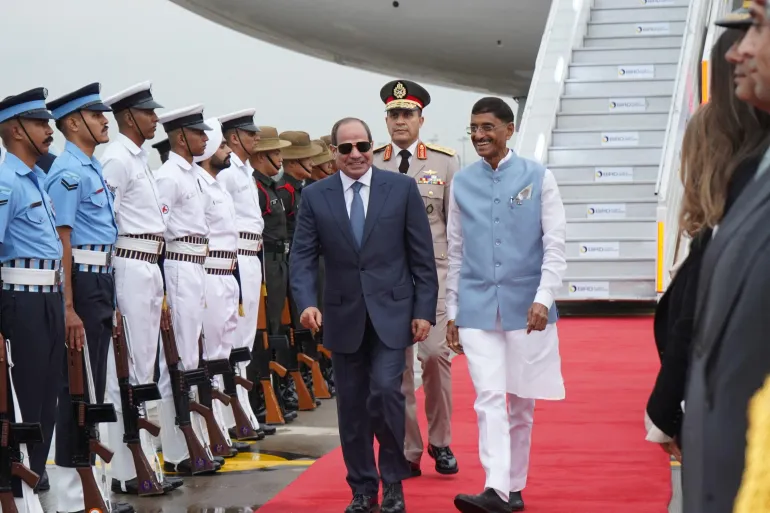
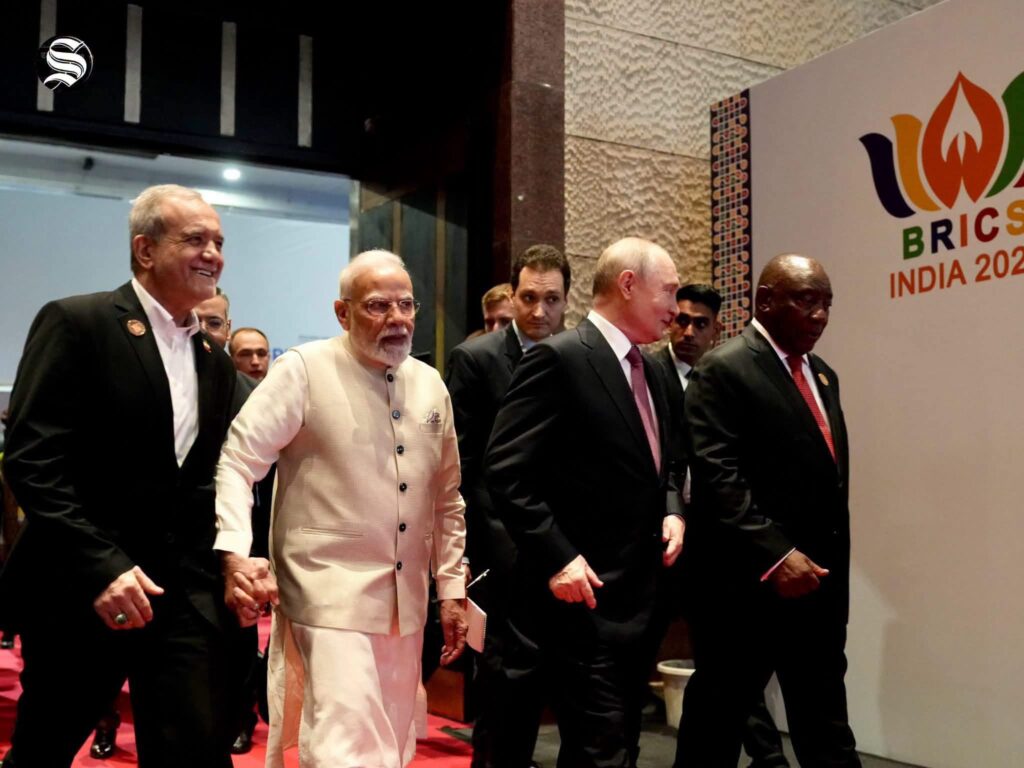
New Delhi, India, 12 Sept. 2026
BRICS leaders have unanimously adopted the 'New Delhi Declaration', calling for stronger international efforts to prevent conflicts, address their root causes and pursue peaceful solutions to crises at a time of growing geopolitical tensions.
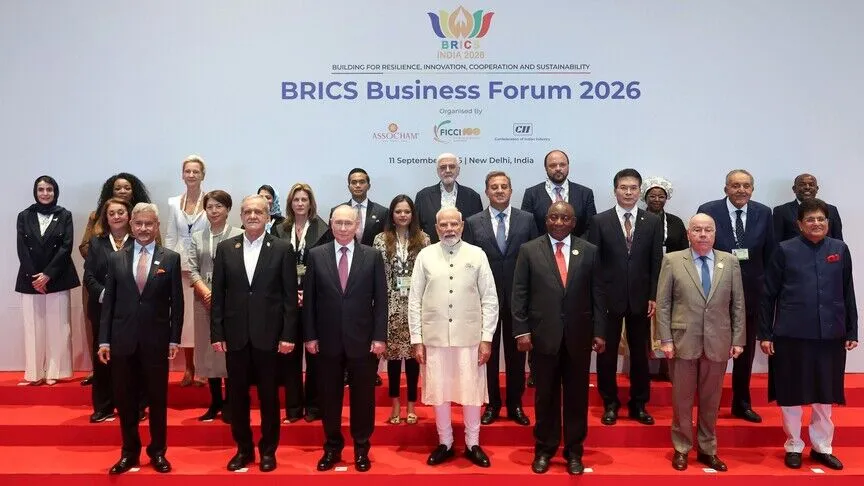
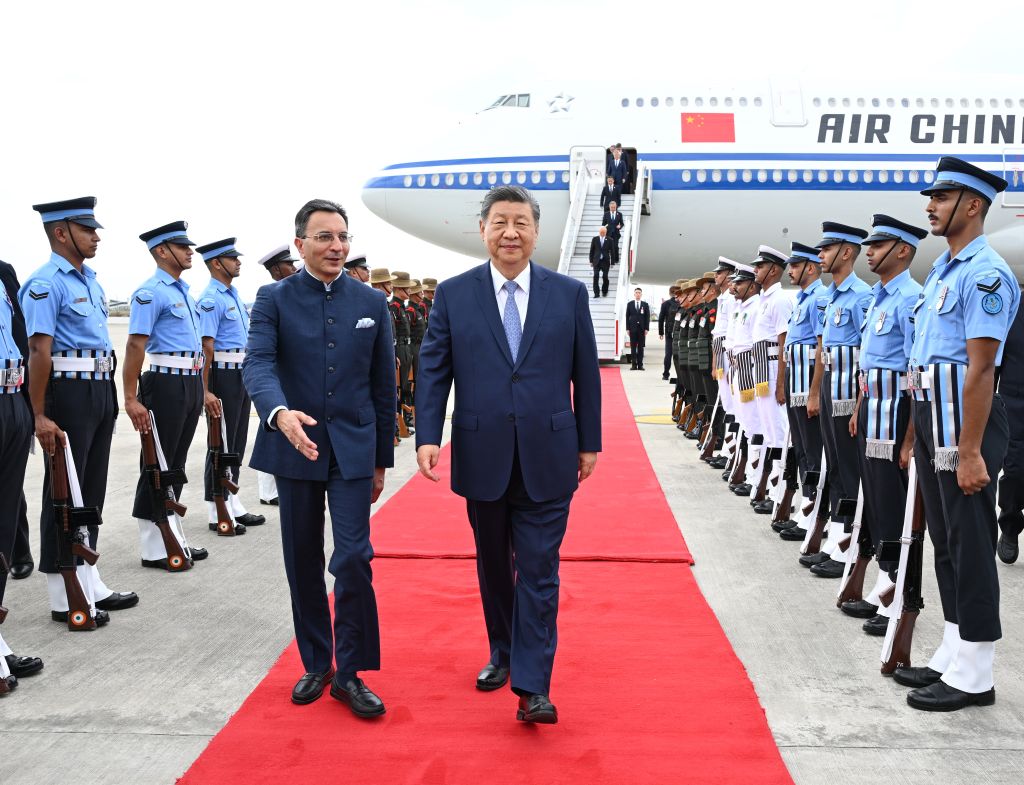
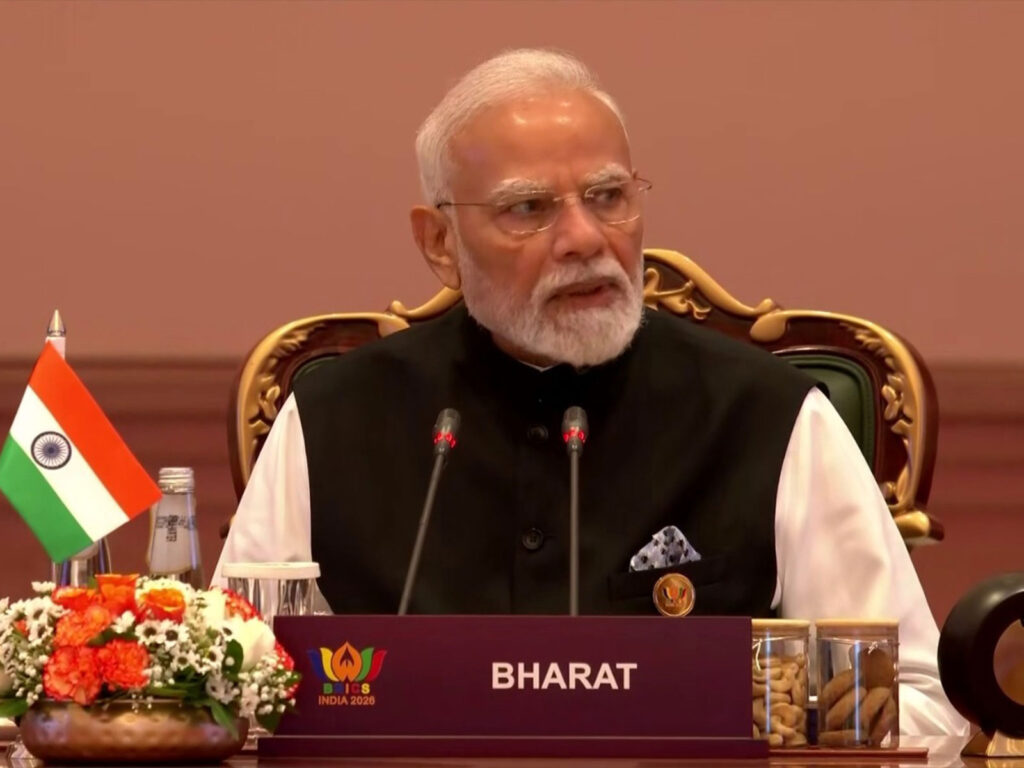
The declaration was adopted on Saturday, the first day of the two-day 18th BRICS Summit being hosted by India. The meeting comes against the backdrop of the conflict involving Iran, Russia’s war in Ukraine and continuing violence in Gaza, with global energy and trade markets facing considerable uncertainty.
The BRICS leaders expressed deep concern over the continuing violence in Gaza despite the October 2025 ceasefire agreement and opposed any policies aimed at the forced displacement of Palestinians from the Gaza Strip. They stressed that a lasting solution to the Israeli-Palestinian conflict must respect the legitimate rights of the Palestinian people, including their right to self-determination and return.
The declaration also rejected unilateral measures seeking to change the legal and historical status of occupied Jerusalem. It called for respect for the sanctity of religious and holy sites in the city and for people of all faiths to be able to exercise their religious rights without hindrance.
The bloc also condemned attacks on installations and personnel of the UN Interim Force in Lebanon (UNIFIL), stressing that such actions violate international law.
Against what the leaders described as a global environment marked by polarization and distrust, BRICS called for greater reliance on political and diplomatic measures to reduce the potential for conflict. It emphasized the importance of addressing the underlying causes of disputes and encouraged regional organizations to play a more active role in conflict prevention and peaceful resolution.
The declaration further voiced serious concern over the growing risk of nuclear conflict and called for greater attention to disarmament, arms control and non-proliferation. It also condemned deliberate attacks on civilian infrastructure and peaceful nuclear facilities, emphasizing that nuclear safety, security and safeguards must be maintained even during armed conflicts.
Economic issues also featured prominently in the declaration. BRICS leaders expressed concern over the increasing use of unilateral tariff and non-tariff measures that they said distort international trade and undermine World Trade Organization rules. They also criticized unilateral coercive measures, including economic and secondary sanctions, saying such policies can have far-reaching consequences for development, health, food security and vulnerable populations
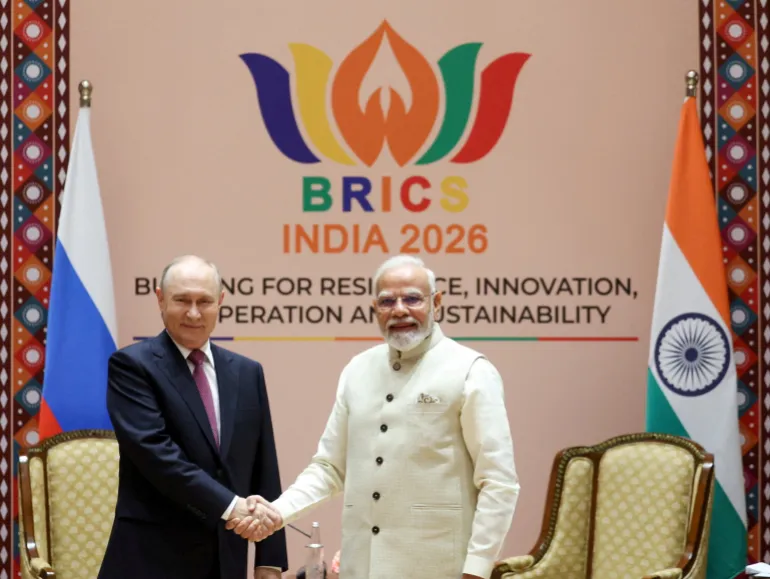
The summit is being held under India’s theme of “Building for Resilience, Innovation, Cooperation, and Sustainability.” Discussions are expected to cover trade, energy cooperation, technology, artificial intelligence and cross-border payment mechanisms, particularly as members seek to strengthen supply chains amid geopolitical disruptions.
The summit has brought together leaders and senior representatives from BRICS members and partner countries, along with heads of major international organizations, including UN Secretary-General Antonio Guterres, WHO Director-General Tedros Adhanom Ghebreyesus and WTO Director-General Ngozi Okonjo-Iweala.
The 18th BRICS Summit concludes on Sunday, with China set to assume the group’s presidency next year.
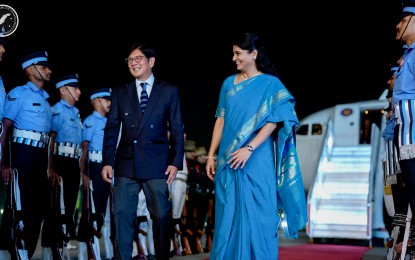
Philippine President Ferdinand R. Marcos Jr. as chair of the ASEAN Group along with First lady Liza Araneta and several cabinet secretaries arrived in New Delhi on Saturday to participate in the 2026 BRICS Summit as Chair of the ASEAN Group as per the Presidential Communications Office.
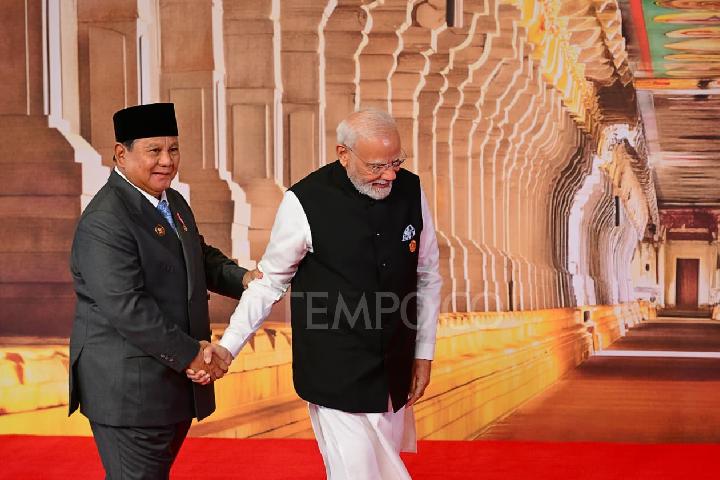
Indonesian President Prabowo Subianto also attended the summit at Bharat Mandapam, highlighting Indonesia’s commitment to strengthening multilateral cooperation and strategic partnerships in response to evolving geopolitical dynamics.
Pakistan, meanwhile, was not represented at the 18th BRICS Summit, as its application for membership remains pending.
Islamabad formally applied to join BRICS in 2023. While China and Russia have expressed support for Pakistan’s membership, BRICS requires consensus among existing members, leaving India’s reported opposition as a major obstacle to its entry.

 American Chamber of Commerce Qatar
 Bangladeshi Community
 Filipino Community
 Indian Community
 Nepali Community
 Pakistani Community
 Sri Lankan Community