Doha, 17 March 2026
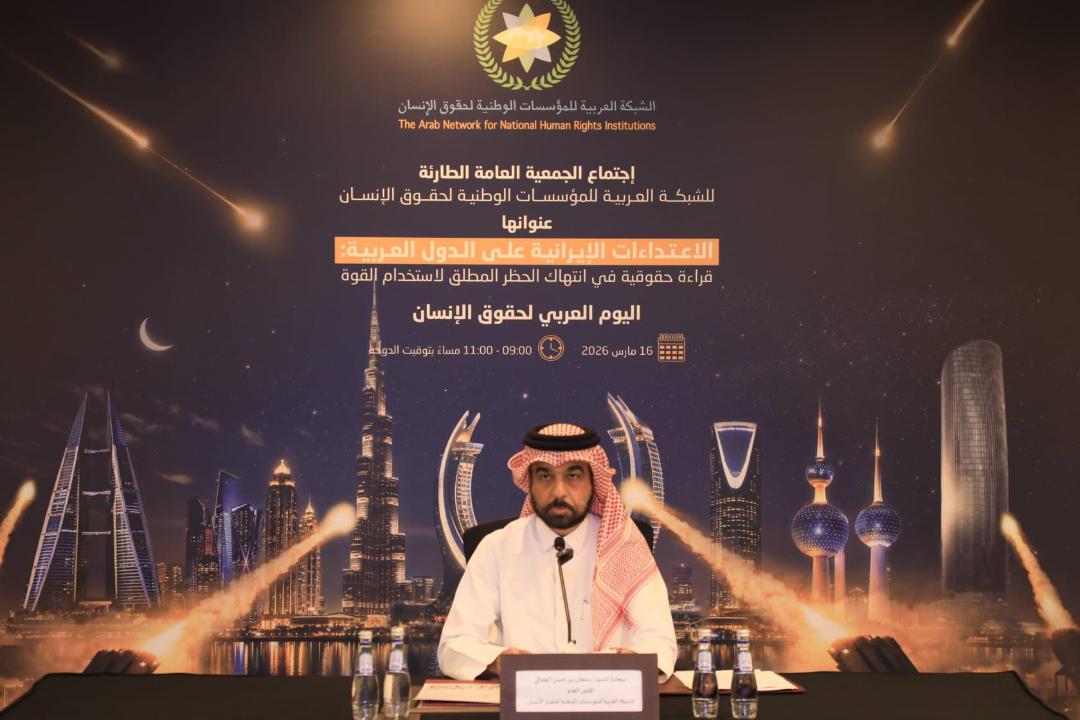
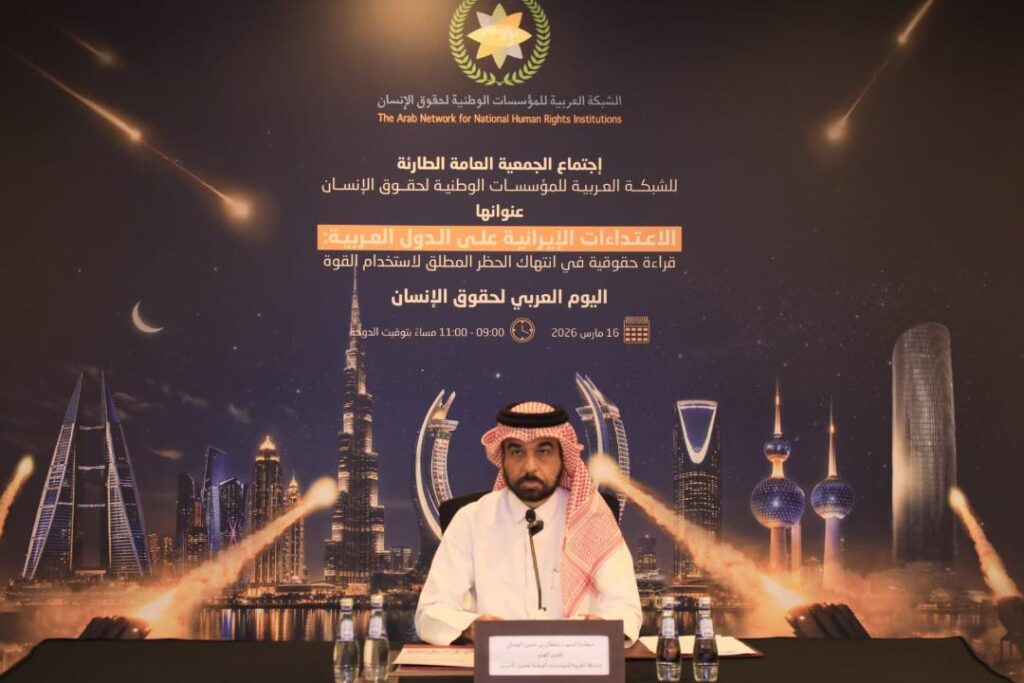
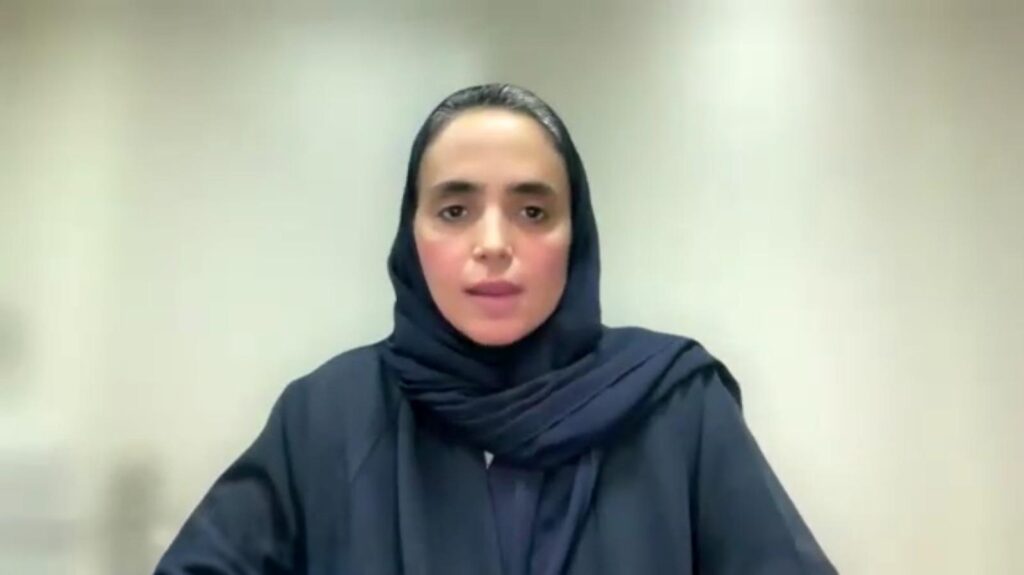
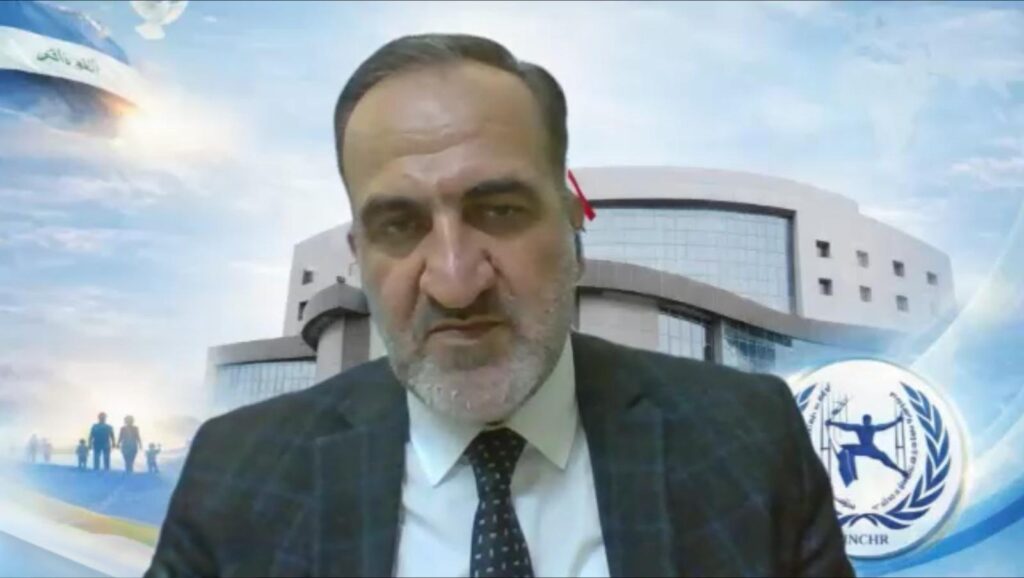
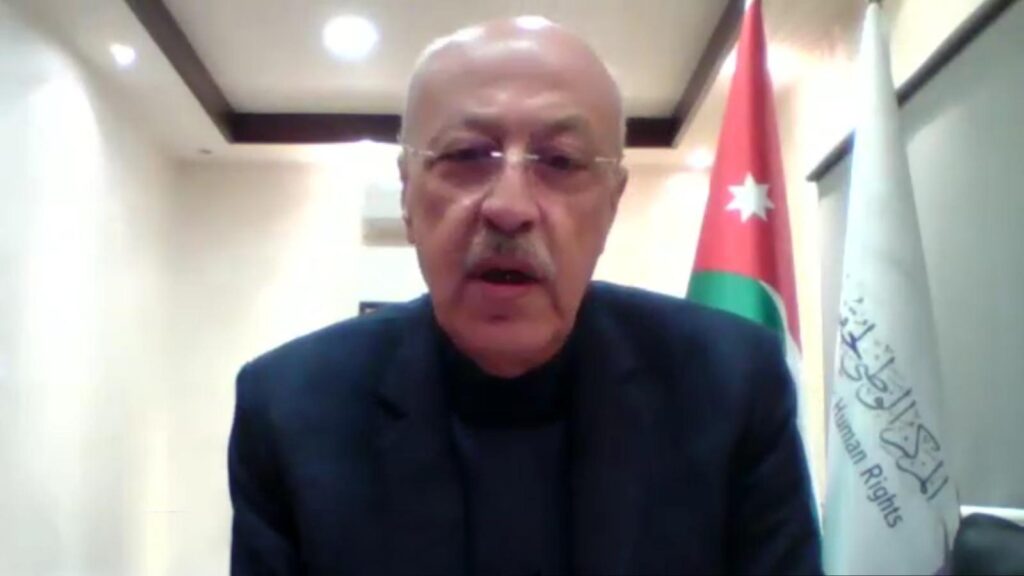
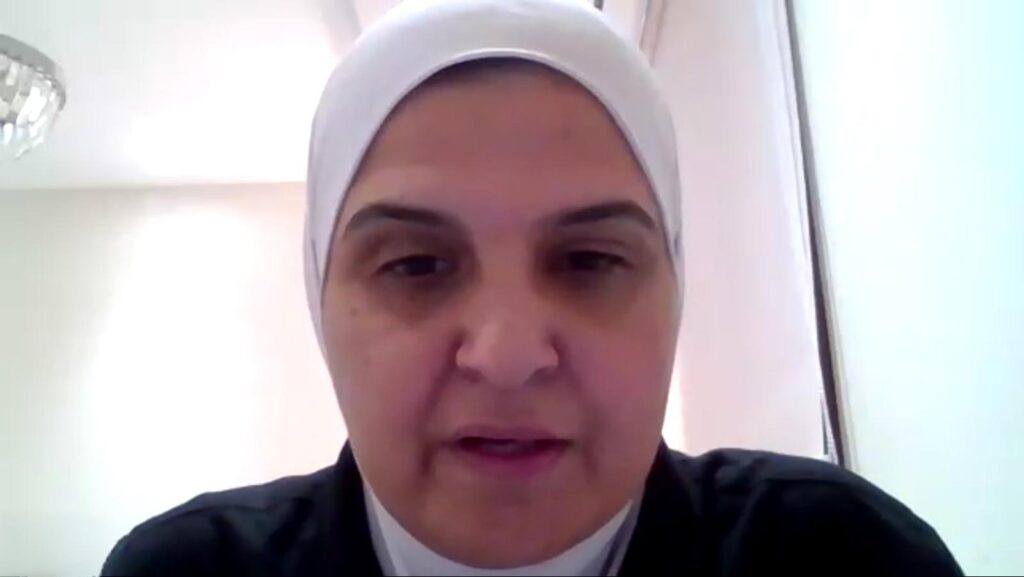
At an emergency general assembly held in Doha, the Arab Network for National Human Rights Institutions brought together regional experts and officials to assess the human rights implications of recent military escalations affecting several Arab states. Convened under exceptional circumstances, the meeting focused on what participants described as a serious and growing threat to civilian safety, regional stability, and the foundations of international law.
Speakers at the session emphasized that the attacks under discussion represent a clear breach of the principles enshrined in the United Nations Charter, particularly the prohibition on the use of force. They warned that such actions not only undermine international peace and security but also expose civilian populations to significant harm, including casualties and damage to critical infrastructure.
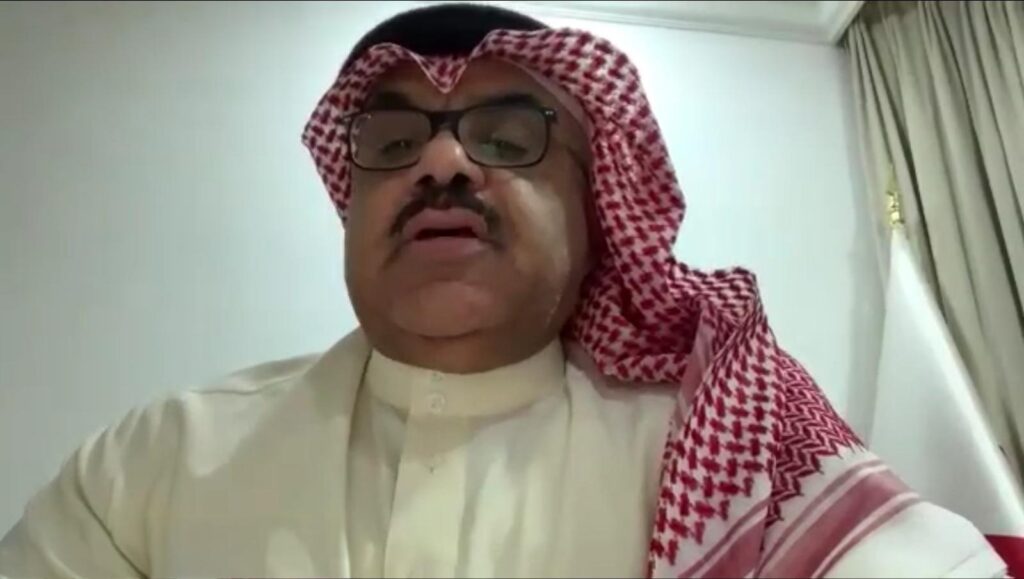
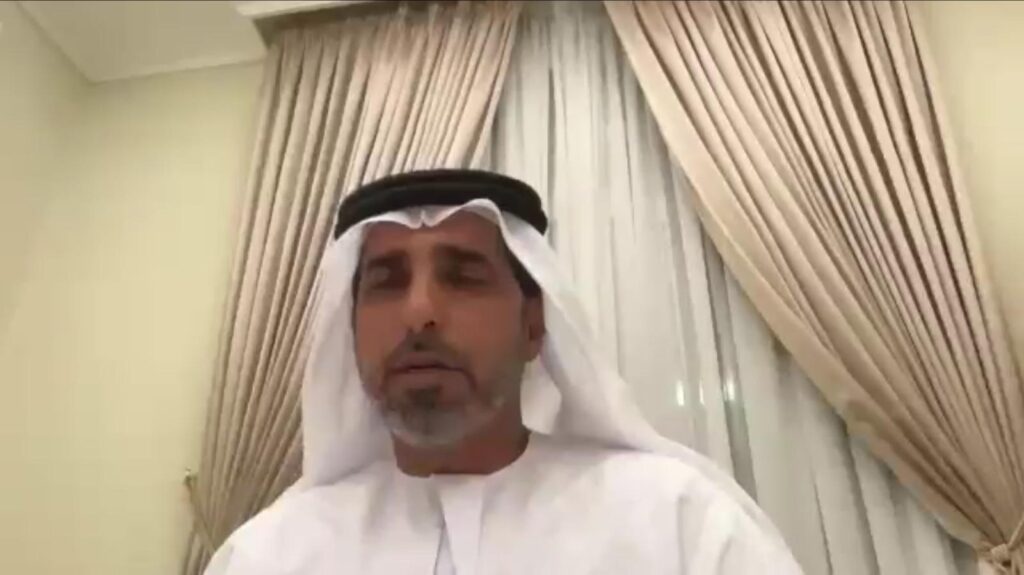
Engineer Ali Al-Darazi highlighted the direct risks posed to ordinary people, noting that residential areas and essential services have been affected. He stressed that these developments create instability within societies and violate international humanitarian law, which explicitly prohibits targeting civilians and civilian facilities. He also underscored the importance of regional solidarity and coordinated diplomatic efforts to confront such challenges.
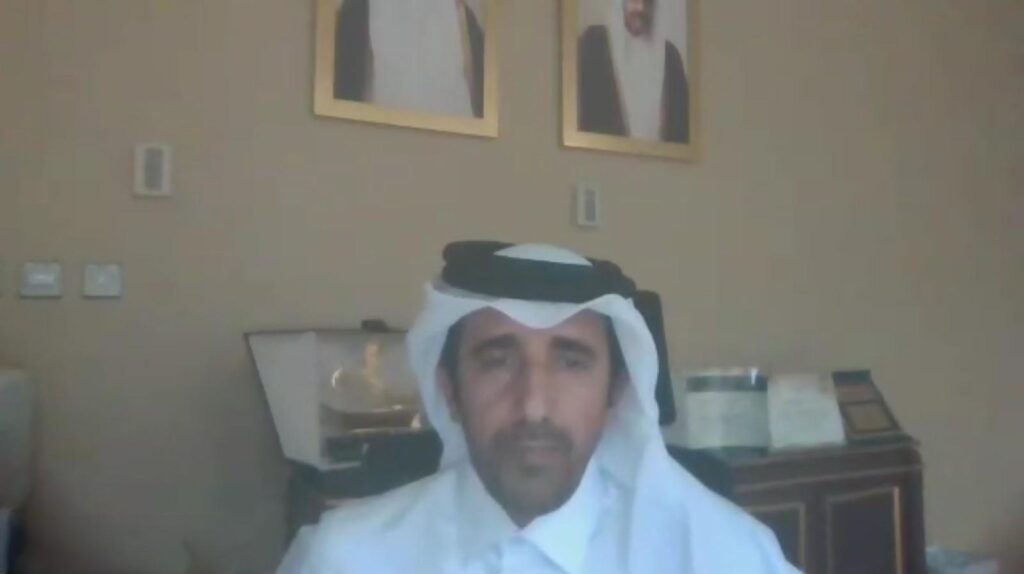
From Qatar, Dr. Mohammed Al-Kuwari described the situation as a major test of national and regional systems designed to protect human rights. He announced the formation of a dedicated crisis cell within the National Human Rights Committee tasked with receiving complaints, monitoring violations, and documenting incidents on the ground. According to him, the attacks have impacted vital infrastructure such as energy facilities, airports, and water systems—raising concerns about access to basic services and long-term development. He also pointed to broader consequences, including disruptions to global supply chains, food security, and humanitarian operations.
In a related contribution, Sultan Al-Jamali outlined plans to strengthen regional coordination through the creation of an Arab Crisis Coordination Team. This initiative aims to improve information sharing, unify messaging, and ensure a rapid and organized response to emergencies. The proposal includes developing secure digital platforms for data exchange, as well as training programs to enhance monitoring and reporting capabilities across member institutions.
Dr. Abeer Al-Khuraisheh added an international dimension to the discussion, warning that the ongoing escalation could have far-reaching economic and environmental repercussions beyond the region. She noted that attacks affecting infrastructure and energy resources may carry global consequences, while also intensifying the suffering of civilians, particularly vulnerable groups such as women, children, and the elderly.
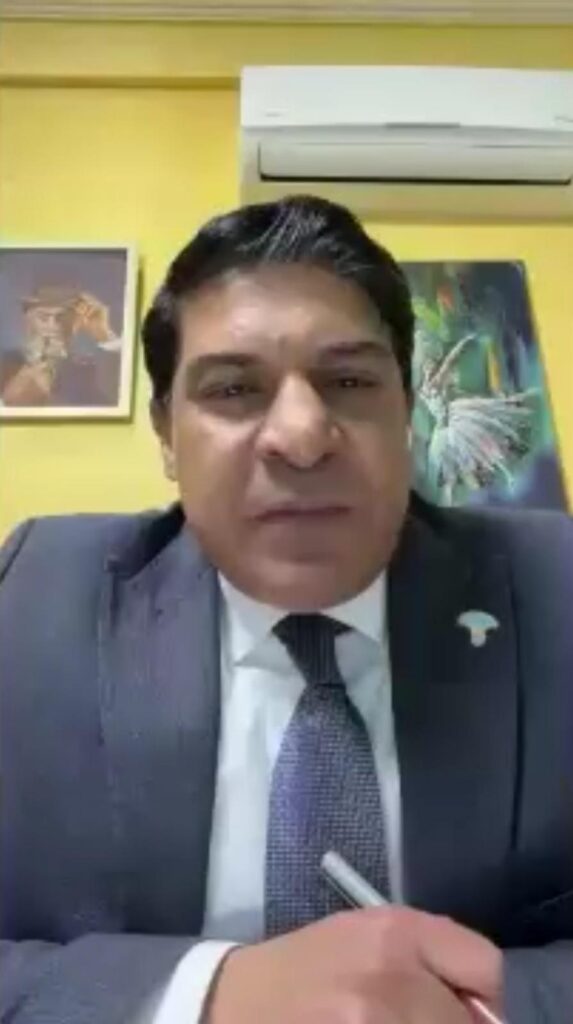
Legal expert Nasser Al-Marri addressed the issue from a legal standpoint, arguing that the attacks contradict fundamental principles such as good faith and respect for sovereignty. He pointed out that several affected countries had maintained neutral or mediating roles, making the situation even more concerning from an international law perspective.
The assembly concluded with a series of recommendations, including the need to strengthen monitoring mechanisms, prepare detailed reports for international bodies, and enhance cooperation among Arab human rights institutions. Participants also called for activating diplomatic channels, launching independent investigations, and ensuring accountability for violations.
Above all, the meeting underscored a shared message: protecting civilians and preserving human dignity must remain central to any response. Participants agreed that lasting regional stability depends on adherence to international law, respect for sovereignty, and a renewed commitment to dialogue and peaceful cooperation.

 American Chamber of Commerce Qatar
 Bangladeshi Community
 Filipino Community
 Indian Community
 Nepali Community
 Pakistani Community
 Sri Lankan Community