Manila, Philippines, 23 July 2026
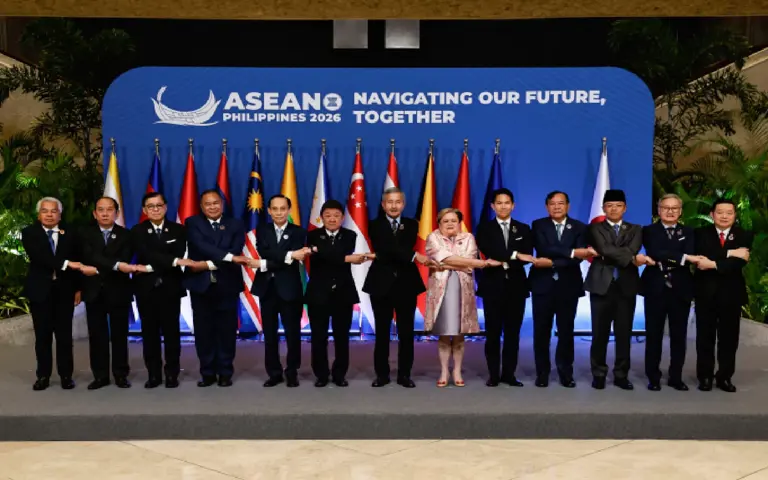
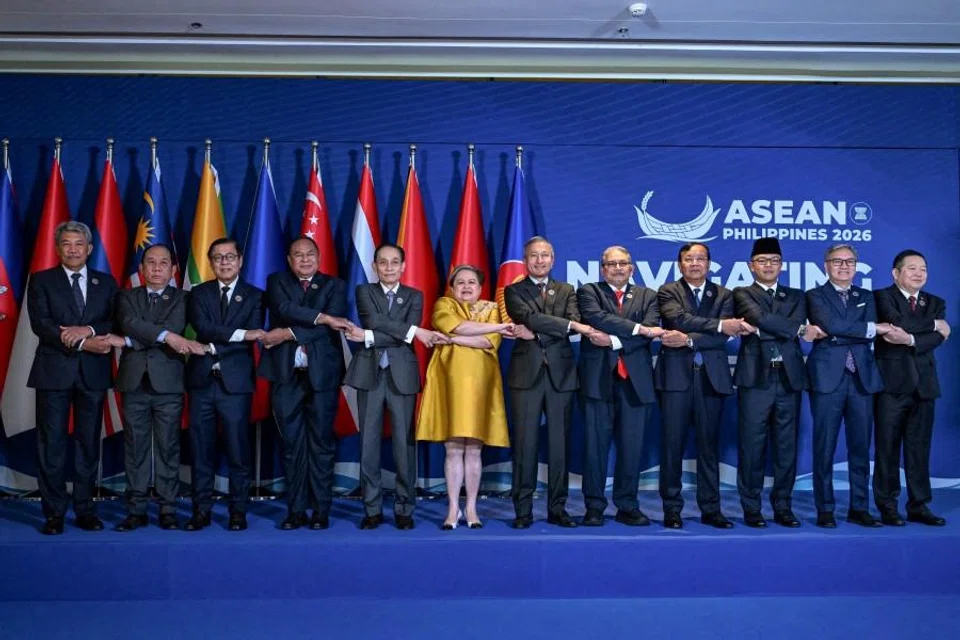
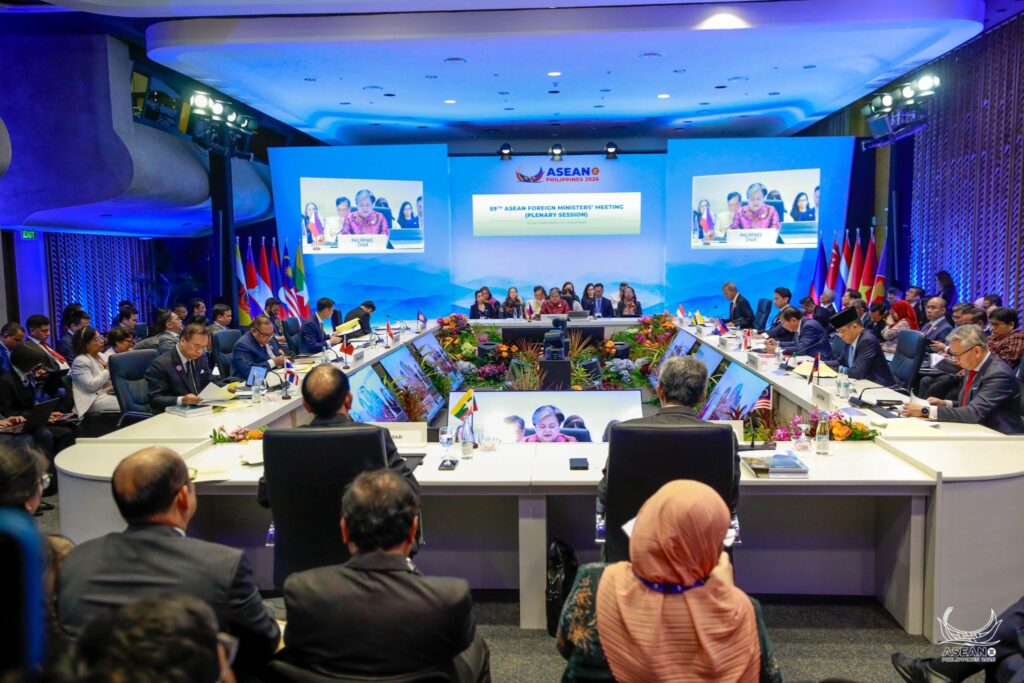
The Philippines has successfully concluded the 59th ASEAN Foreign Ministers’ Meeting (AMM) and Related Meetings, reinforcing ASEAN’s commitment to regional peace, security, economic integration, and stronger international partnerships under the country's 2026 ASEAN Chairmanship.
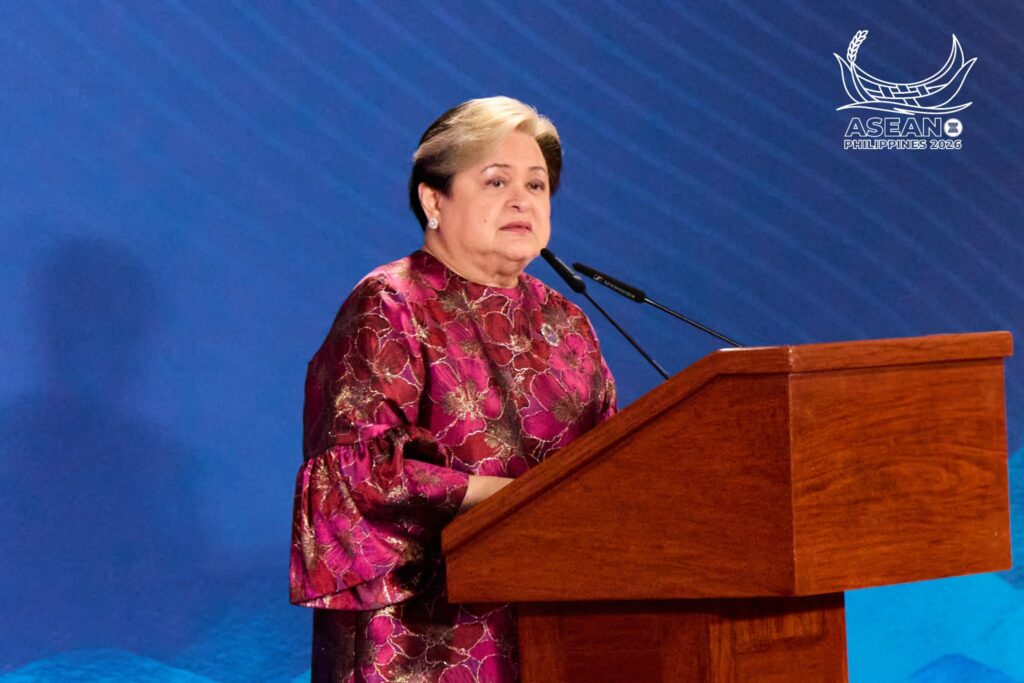
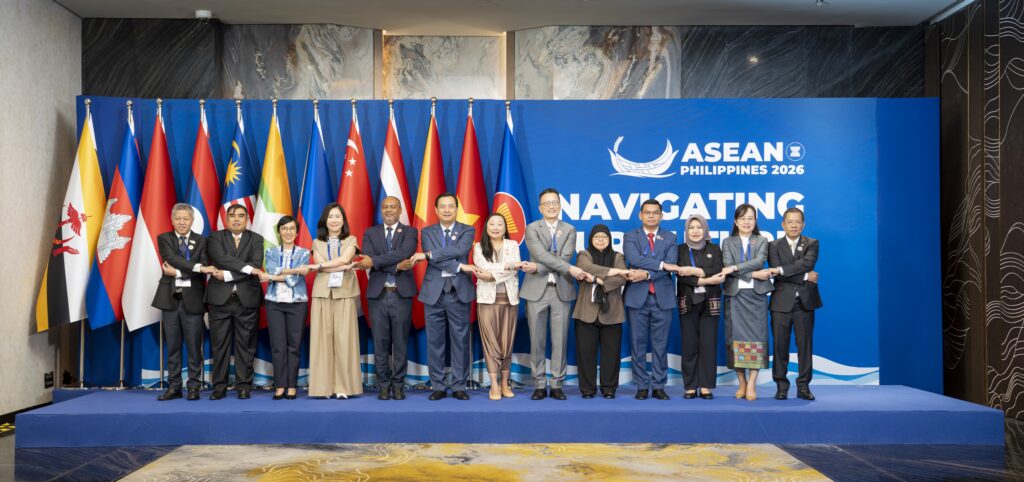
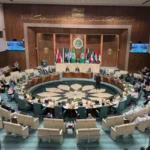
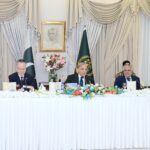
Held in Manila since 20th July, the week-long series of high-level meetings was chaired by Philippine Secretary of Foreign Affairs Ma. Theresa P. Lazaro. The gathering brought together foreign ministers from ASEAN member states, Timor-Leste, and dialogue partners to discuss pressing regional and global challenges while advancing ASEAN's long-term strategic priorities.
One of the meeting's major outcomes was the adoption of the 59th ASEAN Foreign Ministers' Joint Communiqué, outlining the bloc's collective positions on regional issues. Ministers also approved the Guidelines on the Modalities for Engagement of ASEAN with High Contracting Parties to the Treaty of Amity and Cooperation (TAC), a Philippine Chairship initiative aimed at strengthening cooperation with countries that have joined the treaty but are not yet ASEAN dialogue partners.
ASEAN also expanded its international engagement by formally admitting Türkiye as its 12th Dialogue Partner, while Germany and Qatar were granted Sectoral Dialogue Partner status. The decisions reflect growing confidence among international partners in ASEAN's role as a key platform for regional cooperation and community-building.
Responding to rising global tensions, ASEAN foreign ministers issued a joint statement expressing serious concern over the deteriorating situation in the Middle East. The statement called for restraint by all parties, emphasized respect for international law, freedom of navigation, and diplomacy, and highlighted the potential impact of the conflict on regional trade, energy security, food supplies, and global supply chains.
The ministers also reaffirmed the Five-Point Consensus as ASEAN's primary framework for addressing the crisis in Myanmar. Discussions focused on identifying measurable progress in implementing the consensus, including the possible appointment of a multi-year ASEAN Special Envoy to ensure continuity in diplomatic efforts.
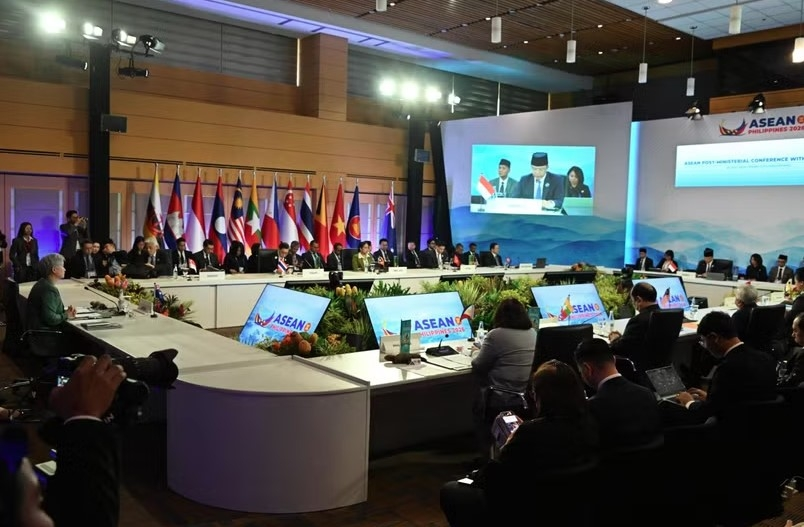
Through a series of Post-Ministerial Conferences, ASEAN and its dialogue partners reviewed cooperation in maritime security, trade and investment, digital transformation, cybersecurity, climate action, disaster management, energy and food security, and people-to-people exchanges. Separate consultations with Norway, Switzerland, Brazil, and Türkiye further underscored growing international interest in deeper engagement with ASEAN.
The meetings also included the ASEAN Plus Three Foreign Ministers' Meeting, bringing together ASEAN, China, Japan, and the Republic of Korea to strengthen cooperation on regional resilience, supply chain security, and sustainable economic growth.
During the 33rd ASEAN Regional Forum (ARF), participants adopted the Manila Plan of Action (2026-2036) to guide the forum's work over the next decade and welcomed the United Kingdom as its 28th participant. Ministers also concluded the 16th East Asia Summit Foreign Ministers' Meeting, calling for closer collaboration to address geopolitical tensions, emerging technologies, and transnational challenges.
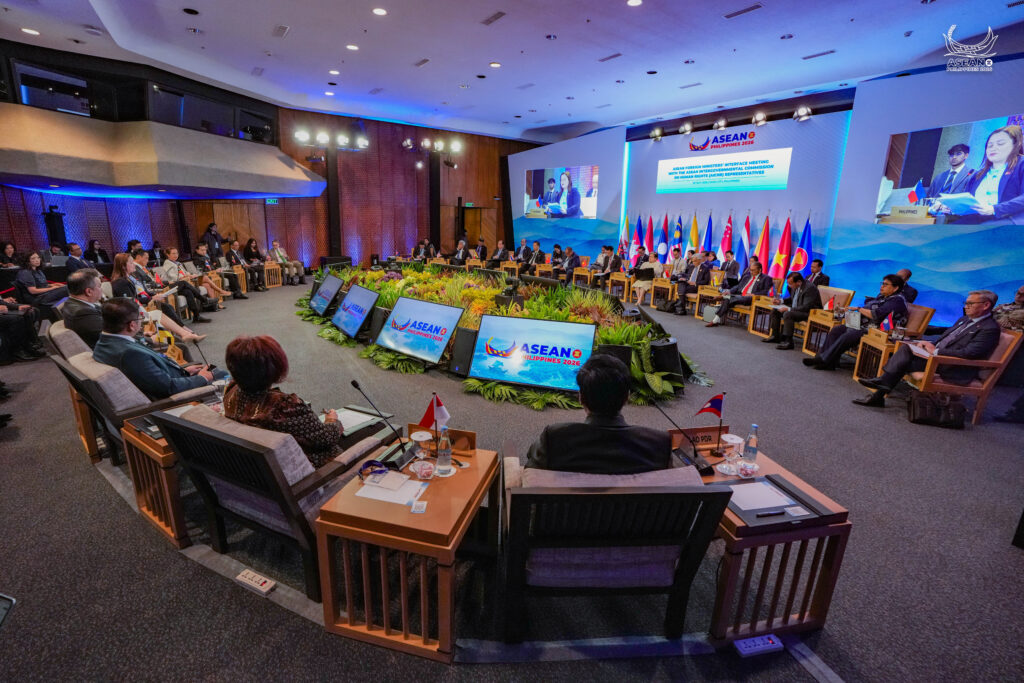
The Philippines also used its Chairship to advance priorities in human rights, nuclear disarmament, innovation, sustainability, and ASEAN Community-building. The programme included meetings of the ASEAN Intergovernmental Commission on Human Rights (AICHR) and the Southeast Asia Nuclear Weapon-Free Zone (SEANWFZ) Commission.
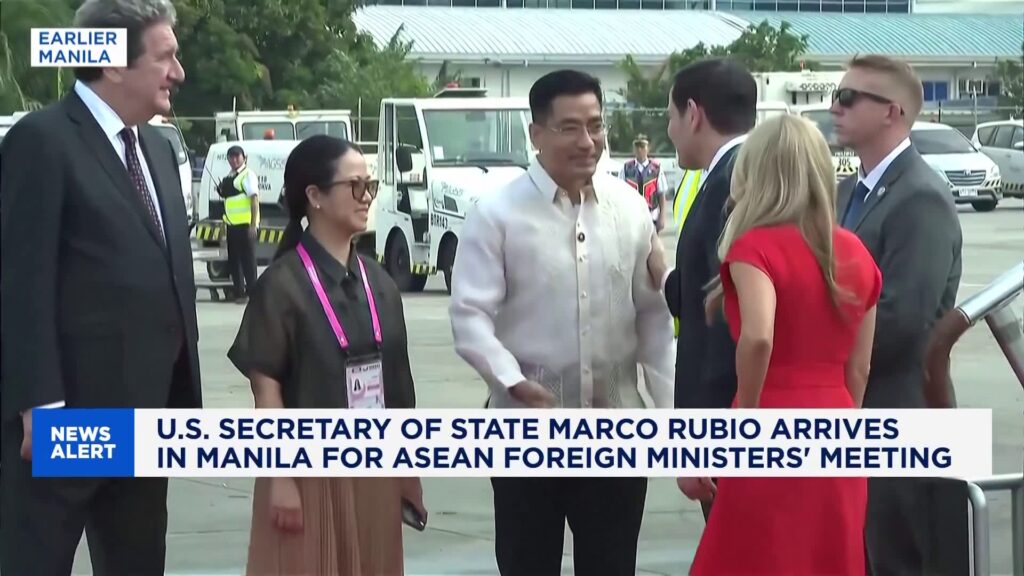
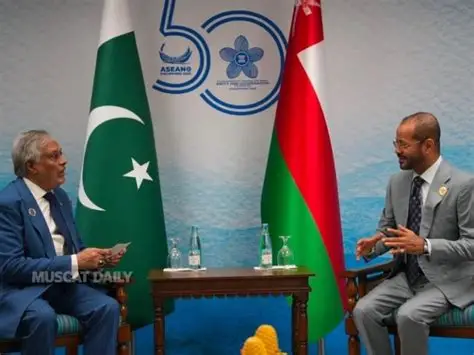
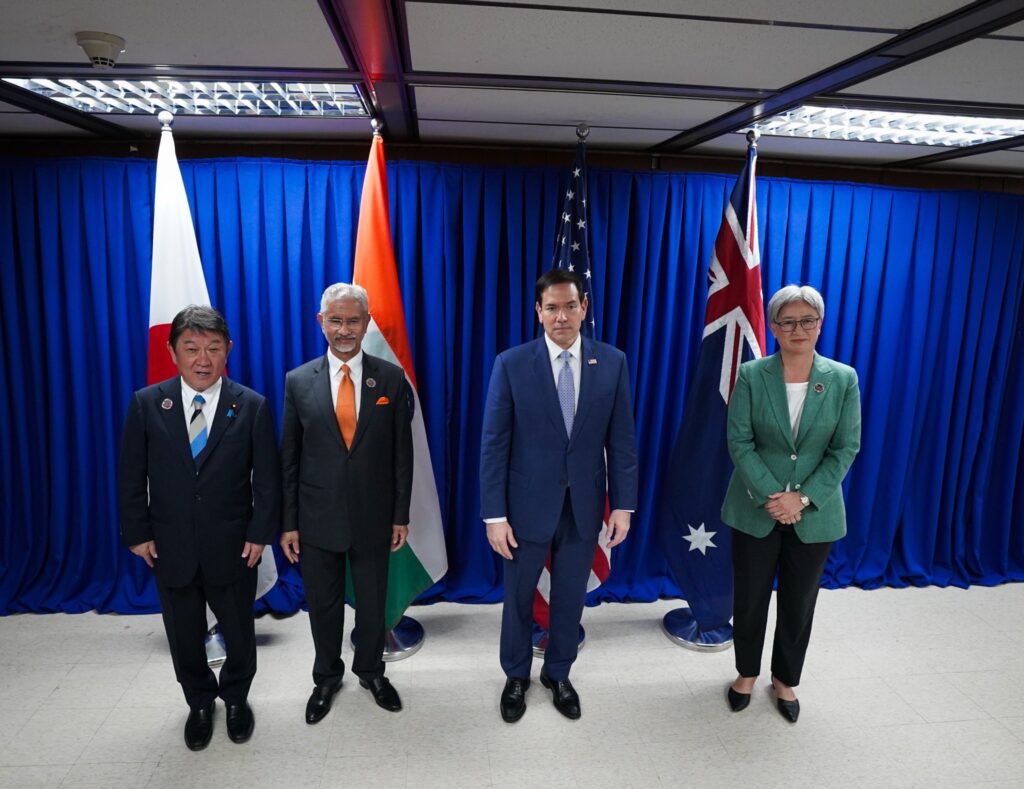
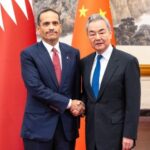
Secretary Lazaro described the meetings as a demonstration of ASEAN's enduring ability to foster dialogue, strengthen partnerships, and build consensus during a period of global uncertainty. She also noted that Manila hosted approximately 120 bilateral meetings among foreign ministers, including engagements involving senior diplomats from the United States, China, and Russia, highlighting the Philippines' growing role as a trusted venue for international diplomacy.
The ministerial meetings conclude with the 50th anniversary of the Treaty of Amity and Cooperation (TAC), during which Sweden, Poland, Romania, and Lithuania are expected to accede to the treaty. ASEAN will also hold the inaugural High-Level Conference of High Contracting Parties, reaffirming its commitment to conflict prevention, preventive diplomacy, maritime security, and a peaceful, rules-based regional order.

 American Chamber of Commerce Qatar
 Bangladeshi Community
 Filipino Community
 Indian Community
 Nepali Community
 Pakistani Community
 Sri Lankan Community