Beijing, June 26, 2026
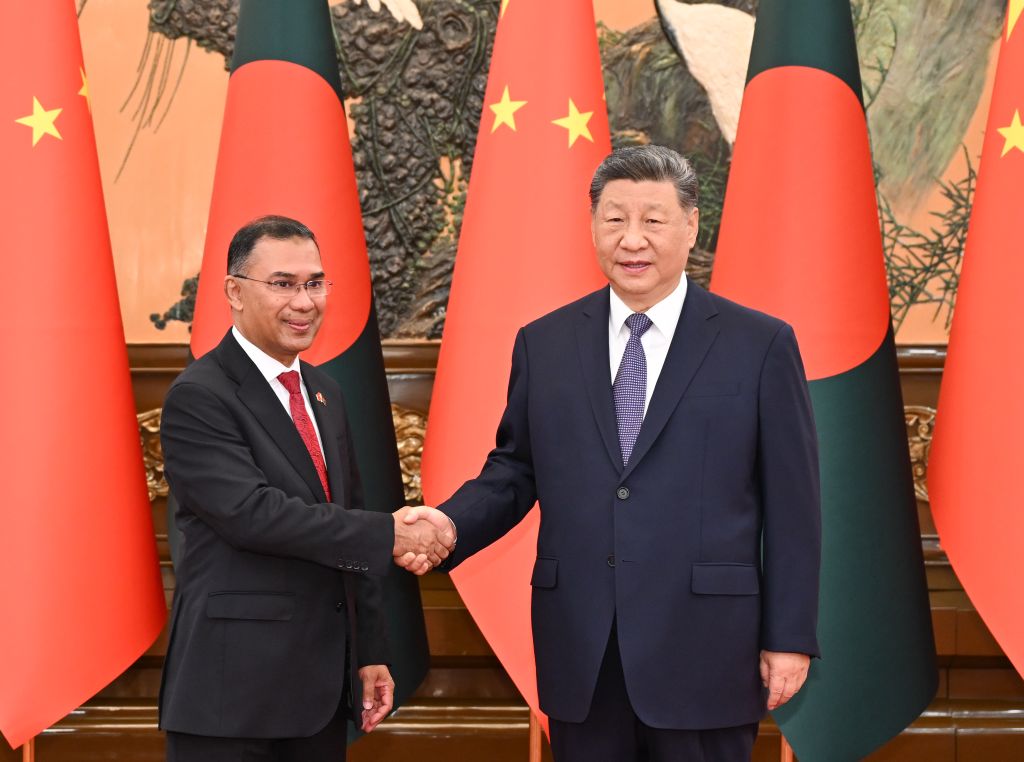
Bangladesh and China have agreed to elevate their longstanding bilateral relationship to a new level by establishing a China-Bangladesh Community with a Shared Future in the New Era, marking a significant milestone during Prime Minister Tarique Rahman’s five-day official visit to China from June 22 to 26.
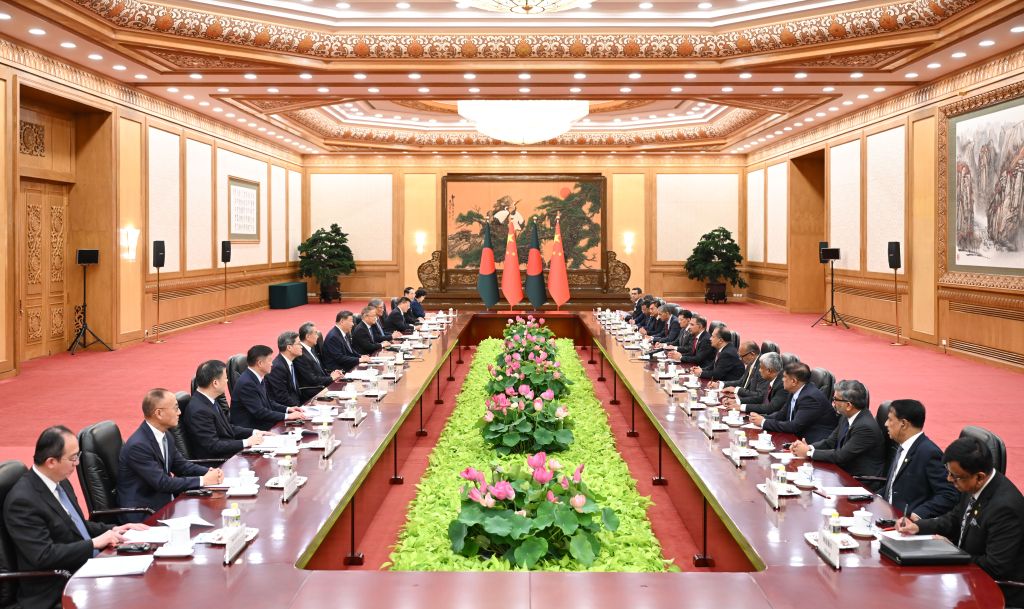
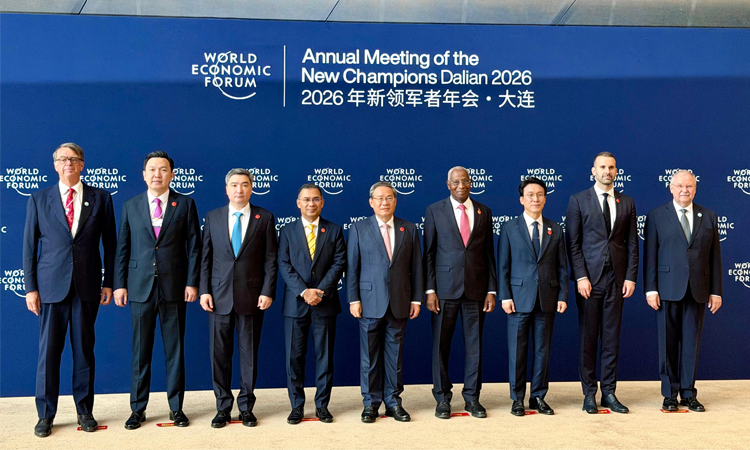
The visit, made at the invitation of Chinese Premier Li Qiang, included Prime Minister Rahman’s participation in the 17th Annual Meeting of the New Champions (Summer Davos) in Dalian. During his stay, he held separate meetings with Chinese President Xi Jinping, Premier Li Qiang, and Chairman of the National People’s Congress Standing Committee Zhao Leji. The leaders reviewed bilateral ties, regional developments, and global issues, reaffirming their commitment to expanding strategic cooperation.
Both sides agreed to maintain regular high-level exchanges, establish a strategic dialogue mechanism between their foreign ministers, and explore a "2+2" dialogue involving foreign and defense officials. Bangladesh reiterated its firm commitment to the One-China policy, while China reaffirmed its support for Bangladesh’s sovereignty, independence, and development path.
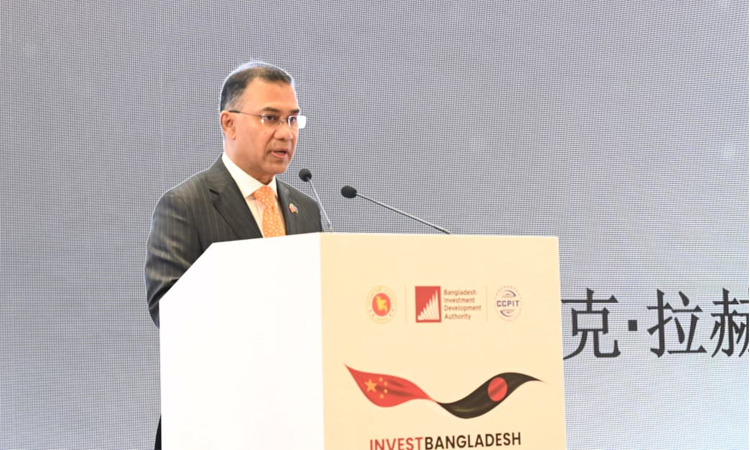
Economic cooperation featured prominently in the discussions. The two countries pledged to deepen collaboration under the Belt and Road Initiative by accelerating infrastructure development, industrialization, agriculture, and connectivity. Bangladesh welcomed China’s continued zero-tariff access for Bangladeshi exports and encouraged greater Chinese investment, particularly in the Mongla Port modernization project and the Chinese Economic and Industrial Zone in Chattogram.
The two governments also agreed to strengthen cooperation in trade, e-commerce, technology, green energy, climate resilience, disaster management, and digital connectivity, while exploring new regional and direct transport links between the two countries.
Water resource management received special attention. China expressed its willingness to support the Teesta River Comprehensive Management and Restoration Project by assisting with feasibility studies and technical cooperation. Both countries also agreed to expand collaboration on flood management, hydrological forecasting, river dredging, and maritime affairs.
Defense cooperation, including military exchanges, training, and collaboration in United Nations peacekeeping operations, will also be enhanced. In addition, both countries pledged to strengthen people-to-people ties through greater cooperation in education, culture, media, health, youth exchanges, and vocational training. China reaffirmed its commitment to providing scholarships for Bangladeshi students and expanding cooperation in public health and traditional medicine.
On multilateral issues, Bangladesh expressed support for China's vision of building a community with a shared future for humanity and welcomed Beijing’s global initiatives. China, in turn, supported Bangladesh’s greater participation in international forums, including BRICS and its bid to become a partner of the Shanghai Cooperation Organization. Both countries reaffirmed their commitment to the UN-centered international order and peaceful global governance.
The joint statement also highlighted China's continued support for resolving the Rohingya crisis through dialogue between Bangladesh and Myanmar, while commending Bangladesh's humanitarian assistance to displaced people.
During the visit, the two sides signed several agreements covering development cooperation, agriculture, education, trade, investment, media, and human resource development.
Prime Minister Rahman also attended the World Economic Forum’s Summer Davos in Dalian, where he joined global leaders at the plenary session on "Innovating at Scale." On the sidelines, he held discussions with several heads of government and international business leaders to promote Bangladesh’s investment potential. In a separate meeting with World Economic Forum President and CEO Alois Zwinggi, Rahman highlighted Bangladesh’s renewable energy ambitions and climate resilience initiatives, while receiving an invitation to attend the Forum’s annual meeting in Davos, Switzerland.

 American Chamber of Commerce Qatar
 Bangladeshi Community
 Filipino Community
 Indian Community
 Nepali Community
 Pakistani Community
 Sri Lankan Community