Login

About Asian Telegraph Qatar

Asian Telegraph Qatar, led by veteran journalist Ashraf Siddiqui, is a trusted news platform focused on Qatar’s contributions to global peace, economic growth, education, and youth development. 

Featuring insights from international journalists, it covers local and global events in business, culture, sports, and more, offering readers balanced perspectives on both Qatar and world affairs.

Contact Details

  • PO Box: 20927, Doha City Qatar
  • Tel: +974 33279600
  • Fax: +974 44372909
  • info@asiantelegraph.net
  • www.asiantelegraph.net

Doha: Delegates Highlight Importance of Regional Cooperation in Combating Corruption

By
M Ashraf Siddiqui
—
23/09/2026
in

Doha, 23 Sept 2026

By Ashraf Siddiqui

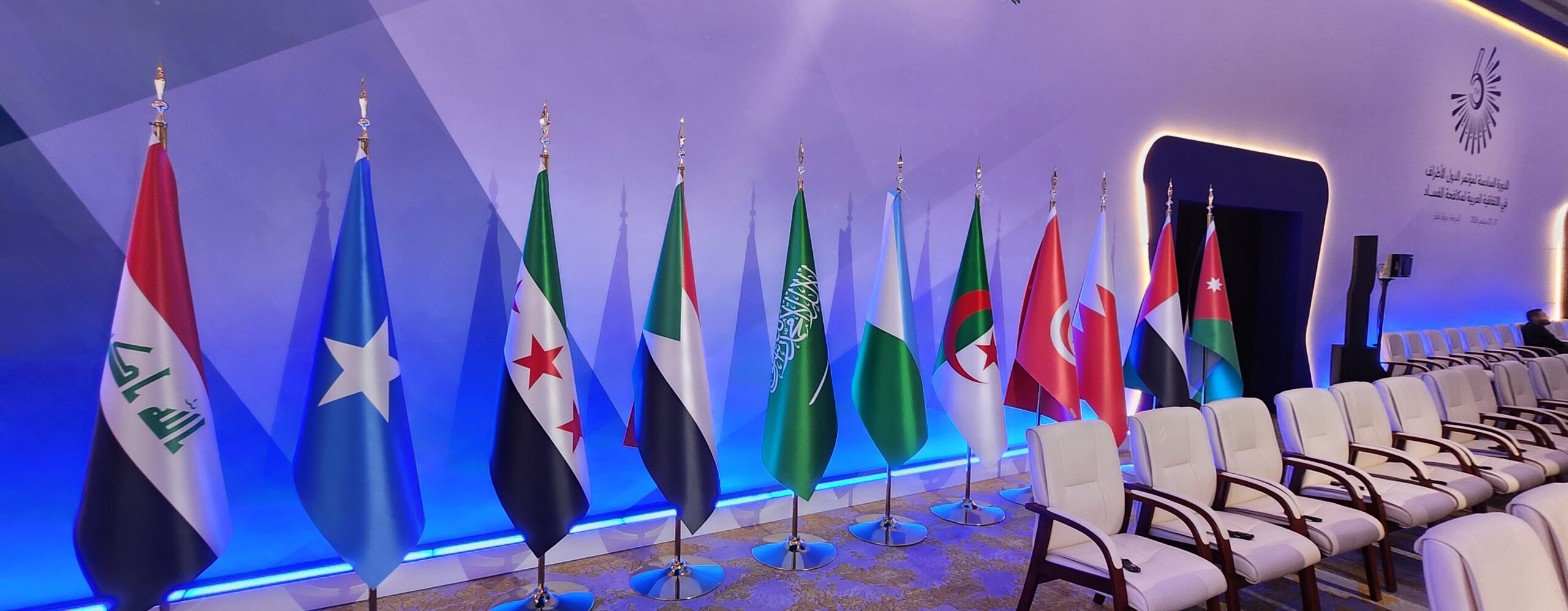
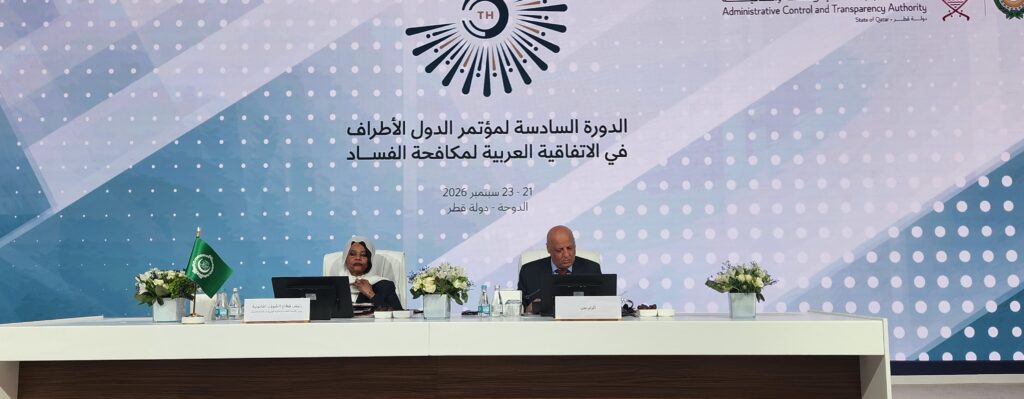
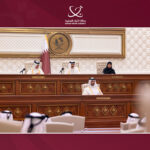
Delegates who participated in the sixth conference on anti-corruption, which concluded on Wednesday at the Ritz-Carlton Doha, highlighted the importance of strengthening regional and international cooperation to combat corruption and address emerging forms of financial and organised crime.
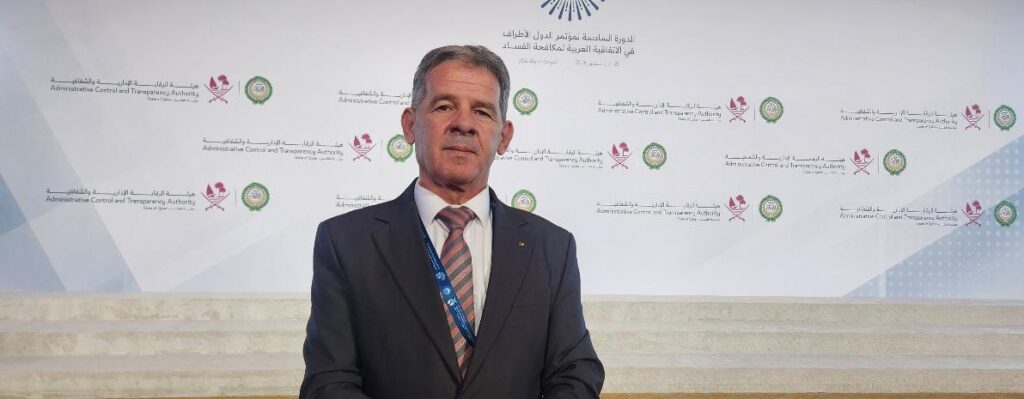
Raed Radwan, Commissioner of the State of Palestine’s Anti-Corruption Commission, has highlighted the importance of strengthening Arab cooperation and exchanging expertise in the fight against corruption, following the conclusion of the Sixth Session of the Conference of States Parties to the Arab Anti-Corruption Convention in Doha.

Speaking to http://www.asiantelegraph.net,  at the end of the conference, Radwan said the meeting had addressed a number of important issues and adopted decisions aimed at further enriching joint Arab efforts and facilitating the exchange of experiences among participating countries.

He said one of the key areas of focus was strengthening preventive measures against corruption, reflecting a more advanced approach to combating corruption before offences occur.

According to Radwan, greater emphasis on prevention could also help reduce the cost of combating corruption by improving the legislative environment and introducing effective measures designed to prevent corruption-related crimes.

He explained that the conference provided an important platform for Arab countries to share experiences and explore practical approaches to strengthening integrity, transparency and preventive mechanisms.

Commenting on Palestine’s contribution to the conference, Radwan said his country had submitted a report to the Arab League outlining a number of activities and initiatives undertaken during Palestine’s two-year presidency.

Among the issues highlighted in the report was the use of artificial intelligence in efforts to combat corruption. Radwan said the growing role of technology and artificial intelligence could provide new opportunities to strengthen anti-corruption mechanisms and improve the effectiveness of preventive measures.

The Palestinian report also covered activities related to extradition and efforts to enhance cooperation in this area. Radwan noted that the extradition process had already begun with a number of Arab countries, including Saudi Arabia, Algeria, Oman and Bahrain.

He expressed hope that cooperation on extradition would gain further momentum during Qatar’s presidency of the relevant Arab anti-corruption mechanism.

Radwan said Palestine looked forward to continued coordination ad cooperation among Arab states under Qatar’s leadership, particularly on issues that require collective action and the sharing of expertise.

He stressed that sustained Arab cooperation, stronger preventive measures, modern legislation and the effective use of new technologies would remain important elements in advancing regional efforts to prevent and combat corruption.

Imed Hazgui, President of the High Committee of Financial and Administrative Control, Republic of Tunisia said the event reflects the Arab countries’ commitment to legal frameworks and international conventions aimed at promoting economic development, transparency and stronger financial systems.

He stressed that the conference provides an important platform for countries to exchange experiences, share information and discuss practical measures to prevent and combat corruption. According to the Tunisian Head of Delegation, corruption can have far-reaching consequences, affecting economic development as well as essential sectors such as education, healthcare and public services.

Nacereddine Marouk, of Algeria pointed to the increasingly complex nature of financial and economic crime. Investigations involving corruption, illicit financial flows and the recovery of stolen assets can be particularly challenging because such crimes often involve international networks and require specialised expertise and close coordination between different authorities.

Another major challenge highlighted during the discussions was the rapid development of technology and artificial intelligence. While technological advances offer significant opportunities, they have also created new risks and methods that can be exploited by organised criminal networks. The delegates said anti-corruption authorities therefore need to continuously strengthen their capabilities and adapt their tools to keep pace with these developments.

He emphasised that greater cooperation among Arab countries is essential, particularly in the exchange of information, expertise and investigative experience. They also stressed the importance of strengthening preventive measures so that corruption can be addressed before it causes wider damage.

Dr Baker Albqour, Director of Investigation Directorate of Jordan noted that countries in the region face different levels and forms of corruption, which can sometimes affect the degree of cooperation and the implementation of agreed decisions. In particular, challenges can arise in cases involving the recovery of assets and funds obtained through corruption, even when judicial decisions have already been issued.

For this reason, he underlined the need for stronger practical implementation of international and regional agreements, alongside effective mechanisms for asset recovery and judicial cooperation.

Albqouir added that the conference also provides an opportunity for participating countries and specialised bodies to review their work, exchange findings and present reports and tools that can support national investigations. Such cooperation, he said, is increasingly important as corruption becomes more sophisticated and crosses national borders.

Overall, the participants described the conference as an important forum for reinforcing the collective commitment to fighting corruption, improving preventive mechanisms and building stronger cooperation between Arab countries and the wider international community.

Disclaimer: Asian Telegraph Qatar do not accept any responsibility for any comment posted on our website. Any comment does not necessarily represent the views of the Asian Telegraph Qatar, unless where specifically stated otherwise. We reserve the right to unpublish, or delete parts or the entirety of any comments that deemed to be non-conducive to the discussion.

© 2026 Asian Telegraph. All Rights Reserved
Powered by PWS
envelopeearthmenu linkedin facebook pinterest youtube rss twitter instagram facebook-blank rss-blank linkedin-blank pinterest youtube twitter instagram