New Delhi, 25 July 2026
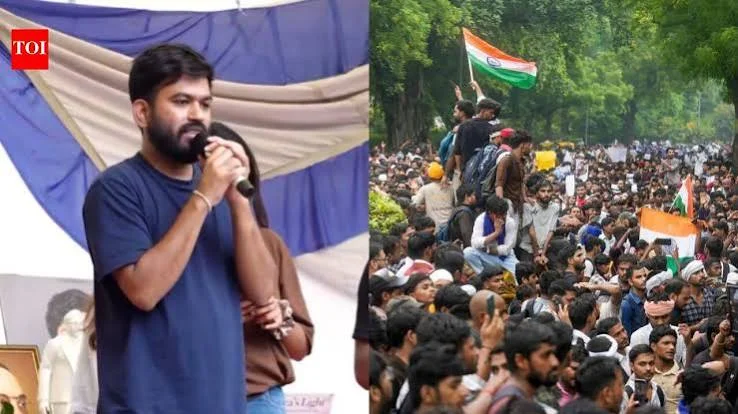
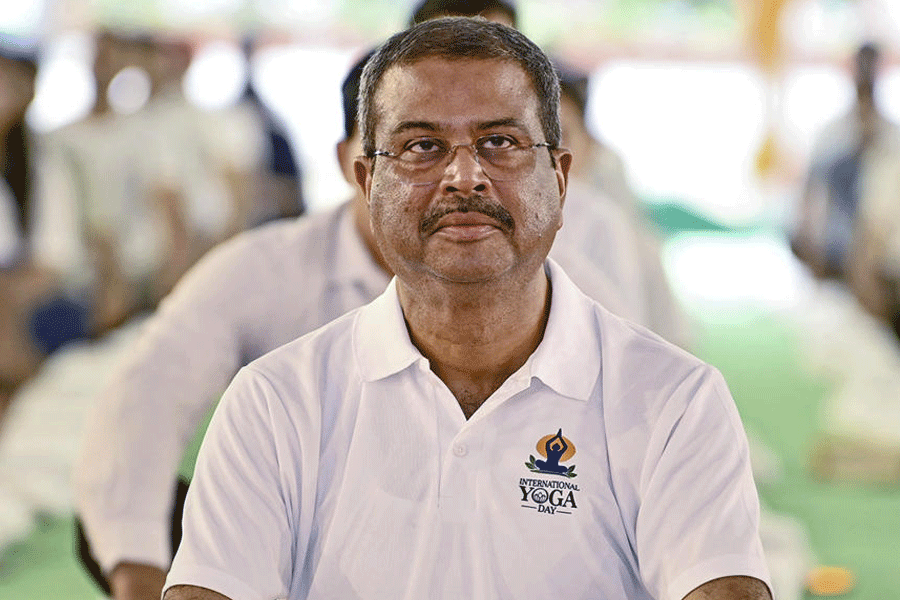
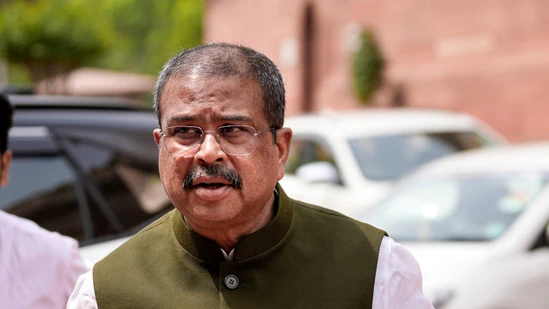
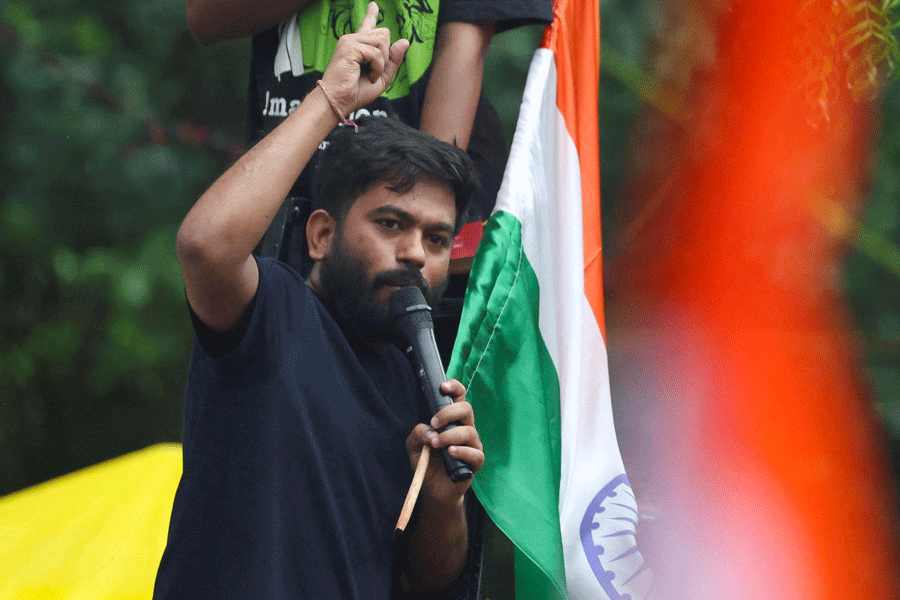
The resignation of Union Education Minister Dharmendra Pradhan has marked a significant political development in India, following weeks of nationwide protests led by the youth-driven "Cockroach" movement. The demonstrations, which began over allegations of irregularities and paper leaks in major competitive examinations, gradually evolved into a broader campaign demanding accountability, education reforms, and better employment opportunities for young people.
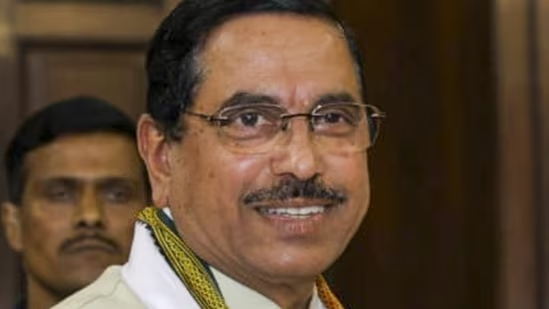
On Saturday, Pradhan announced his resignation through a letter shared on X (formerly Twitter). Soon after, the President of India, acting on the advice of the Prime Minister, accepted his resignation with immediate effect under Article 75(2) of the Constitution. The government also announced that Union Minister Pralhad Joshi, who currently heads the Ministries of Consumer Affairs, Food and Public Distribution, and New and Renewable Energy, would take additional charge of the Ministry of Education.
The resignation is being widely viewed as a major victory for the protest movement, which had organized demonstrations, sit-ins, and hunger strikes across several cities, including New Delhi. Protest organizers claimed that the government had accepted their key demands, prompting them to officially call off the agitation. Along with seeking Pradhan's resignation, the movement had called for comprehensive reforms in India's examination system, compensation for families of students who allegedly died by suicide following exam-related controversies, and assurances that no legal action would be taken against peaceful protesters.
The protests began after allegations surfaced regarding irregularities in the 2026 NEET-UG examination. In response, the government transferred the investigation to the Central Bureau of Investigation (CBI), cancelled the disputed examination, and announced a re-test. Authorities also decided that future editions of the examination would be conducted entirely in Computer-Based Test (CBT) mode to strengthen transparency and security.
In his resignation statement, Pradhan said that serving students and strengthening India's education system had remained his lifelong commitment. He stated that he had accepted responsibility from the beginning of the controversy and emphasized that protecting deserving students from the influence of the so-called "exam mafia" had been his priority. He also noted that despite the successful completion of the re-examination for over 20 lakh students and satisfactory results, the continuing unrest had become a matter of concern.
Pradhan explained that his decision was not driven by personal prestige but by the larger interests of the country's youth. He said he wanted to prevent further confusion, avoid legal complications for students participating in protests, and ensure that young people could focus on their education and future careers. Expressing gratitude to Prime Minister Narendra Modi, his ministerial colleagues, and ministry officials, he reaffirmed his commitment to public service and pledged to continue working for the aspirations of India's youth.
The "Cockroach" movement itself gained momentum after political communications strategist Abhijeet Dipke posted a viral message on X asking, "What if all cockroaches come together?" The remark was inspired by comments made by the Chief Justice of India, which protesters believed unfairly described unemployed youth. The phrase quickly became the symbol of a nationwide Gen-Z-led movement that ultimately secured one of its biggest demands with the resignation of the Education Minister.

 American Chamber of Commerce Qatar
 Bangladeshi Community
 Filipino Community
 Indian Community
 Nepali Community
 Pakistani Community
 Sri Lankan Community