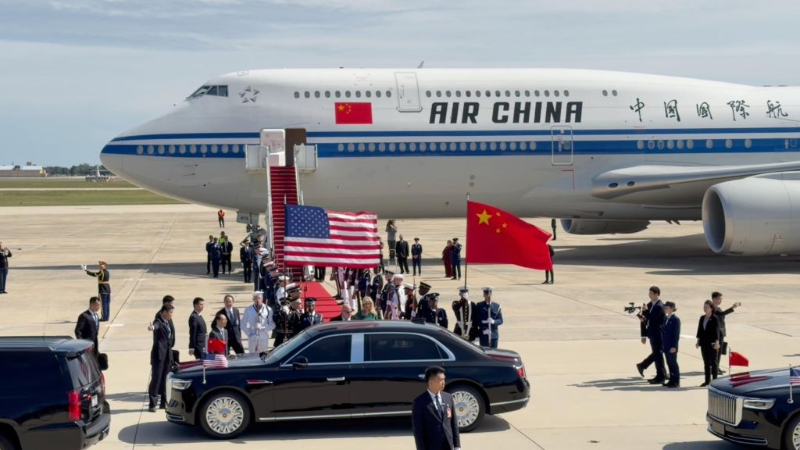
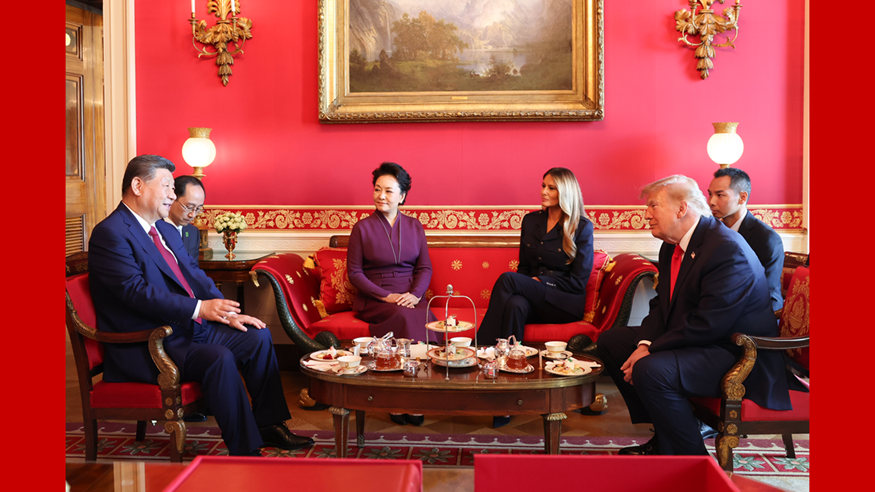
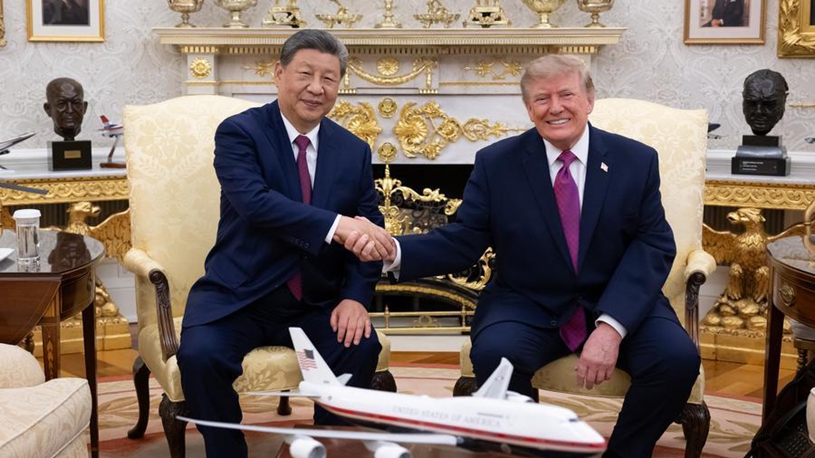
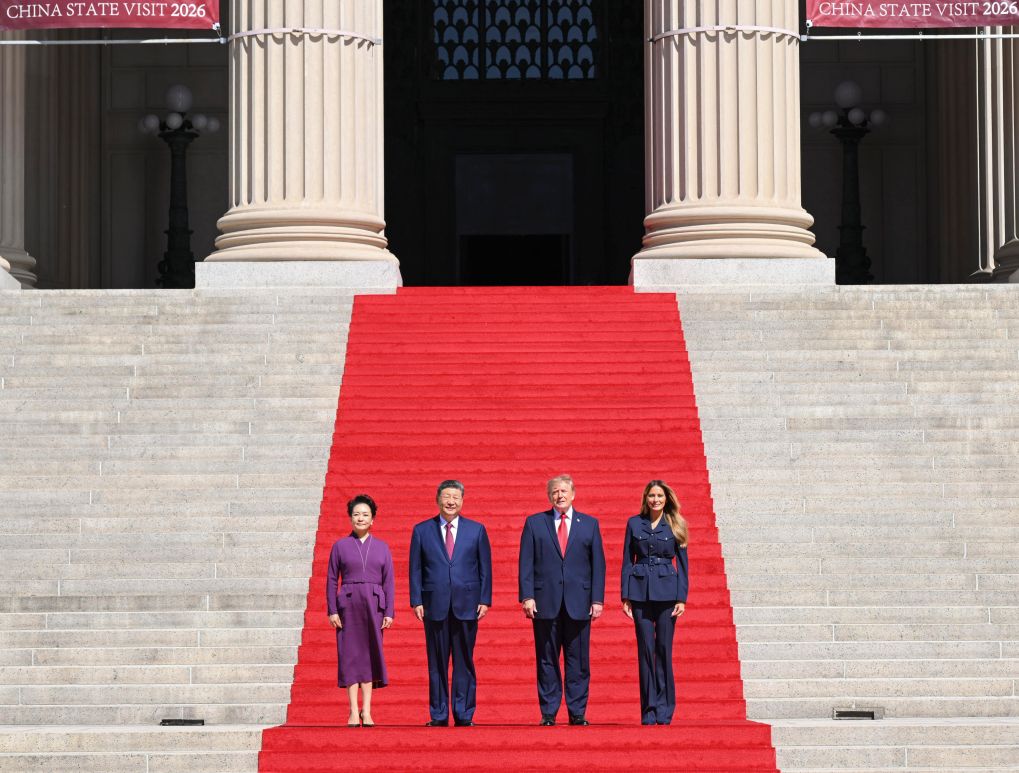
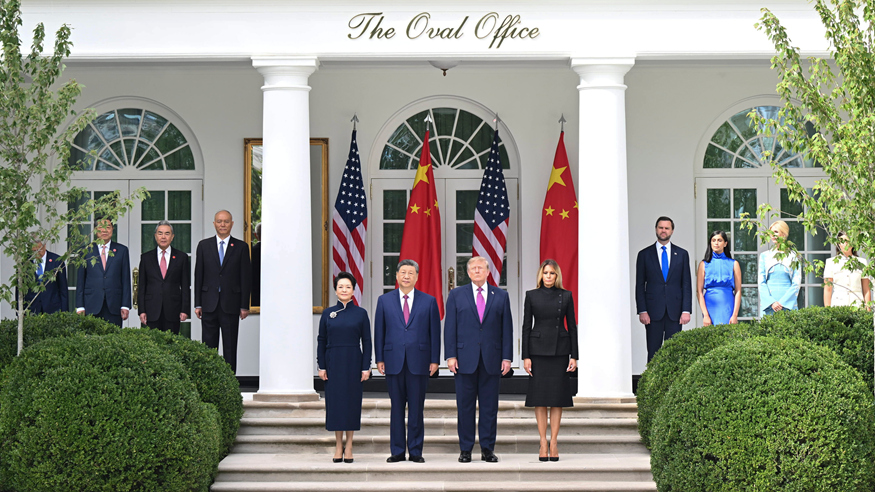
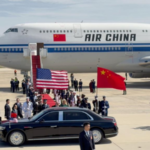
WASHINGTON, Sept. 25 — Chinese President Xi Jinping’s three-day state visit to the United States has produced a series of understandings aimed at placing China-U.S. relations on a more stable and constructive footing.
During meetings with U.S. President Donald Trump from Sept. 23 to 25, the two leaders discussed bilateral relations as well as major international and regional issues. They agreed to work toward a constructive China-U.S. relationship of strategic stability based on respect, fairness and reciprocity.
The two sides also agreed to support each other in hosting the APEC Economic Leaders’ Meeting and G20 Summit, with the two presidents intending to attend each other’s meetings.
Among the other understandings, the leaders agreed that Iran should honor its commitment not to develop nuclear weapons and stressed that international waterways should remain free from tolls imposed by any country or institution. They also recalled the cooperation between China and the United States as allies during World War II.
Economic and trade cooperation featured prominently in the discussions. The two leaders endorsed the outcomes of recent consultations between their economic teams, including plans to establish and advance the Board of Trade and other mechanisms, a reciprocal tariff-reduction arrangement involving $30 billion, and the extension of agreements reached during earlier consultations in Kuala Lumpur.
The two countries also recognized progress in counter-narcotics and law-enforcement cooperation, including joint efforts against new psychoactive substances and precursor chemicals. They agreed to continue such cooperation against transnational crime.
Another significant outcome was an agreement to establish a China-U.S. AI Dialogue to discuss both the opportunities and risks associated with artificial intelligence. The next exchange is expected in November 2026, while the two countries will also establish a communication channel for AI-related incidents.
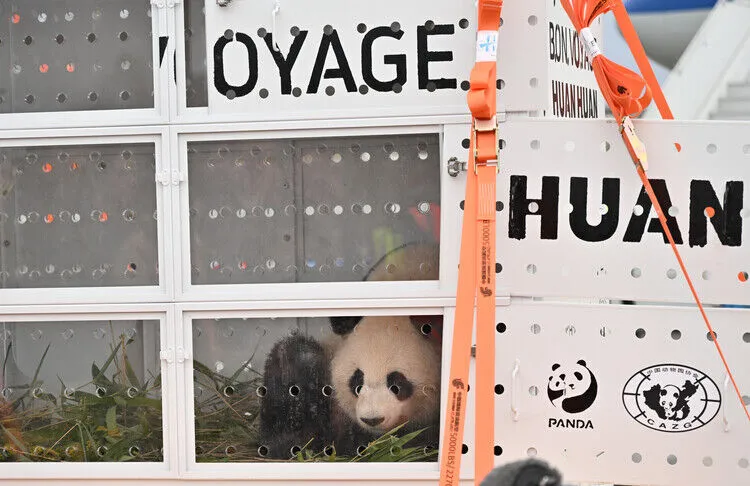
The United States also welcomed the planned arrival of two giant pandas leased by China to Zoo Atlanta.
Separately, the Chinese and U.S. militaries agreed to work toward a memorandum of understanding on crisis communication and prevention and to continue cooperation in locating the remains of missing U.S. service members in China.
Xi described his visit as his first state visit to the United States in 11 years and said the two countries had added new substance to their vision for bilateral relations. Trump, meanwhile, described the visit as constructive and successful, saying their discussions had produced positive outcomes for both countries.
Chinese Foreign Minister Wang Yi later said the visit had resulted in new progress toward a constructive relationship of strategic stability. He said the principles of respect, fairness and reciprocity meant respecting sovereignty, development paths and core interests while seeking mutually beneficial cooperation and addressing differences through dialogue rather than confrontation.
Wang also highlighted the importance of economic ties and people-to-people exchanges. China plans to invite 100,000 young Americans to China over the next five years for exchange and study programs.
The visit comes at a time when economic, security and geopolitical differences continue to challenge China-U.S. relations. At the same time, both sides have maintained dialogue and identified areas where cooperation remains possible, including trade, law enforcement, artificial intelligence, international governance and people-to-people contacts.
The latest understandings do not remove the differences between the two major powers, but they provide additional mechanisms for managing disagreements while keeping communication and practical cooperation open.
Both sides have also emphasized the importance of coordination on wider international issues, including peace, security and global economic governance, as China and the United States prepare to host major international gatherings later this year.
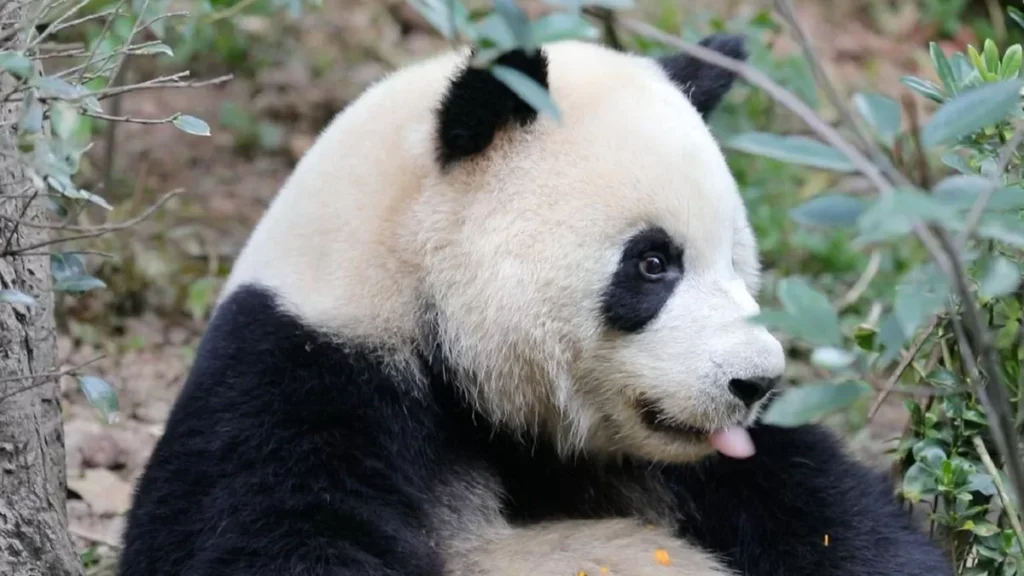
Two giant pandas, Ping Ping and Fu Shuang, are set to arrive at Zoo Atlanta from China, continuing a diplomatic tradition that has connected the two countries through these popular animals for decades.
Chinese President Xi Jinping announced their expected arrival during his meeting with US President Donald Trump at the White House, describing giant pandas as “envoys of friendship” between the Chinese and American peoples.
Panda diplomacy between the two nations dates back prominently to 1972, when China sent Ling-Ling and Hsing-Hsing to Washington following President Richard Nixon’s historic visit to China. The pair quickly became a major public attraction.
Since the 1980s, China has generally placed pandas overseas through conservation and research agreements rather than outright gifts. US zoos have contributed to breeding and conservation efforts, helping produce numerous cubs.
The arrival of Ping Ping and Fu Shuang will reopen a new chapter in Atlanta’s long-running panda partnership with China, offering a friendly symbol of cooperation amid broader bilateral differences.

 American Chamber of Commerce Qatar
 Bangladeshi Community
 Filipino Community
 Indian Community
 Nepali Community
 Pakistani Community
 Sri Lankan Community