DOHA, November 4, 2026
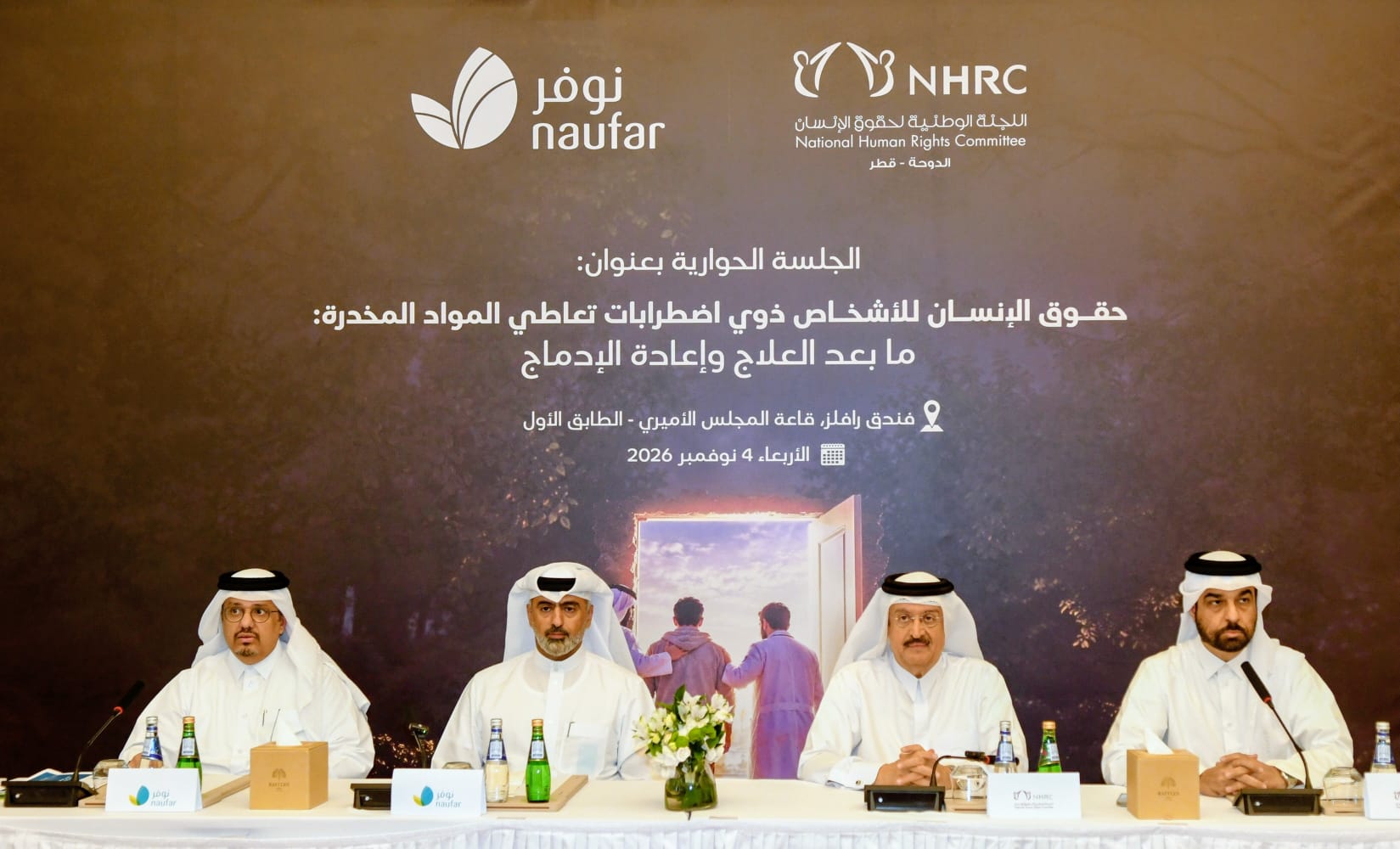
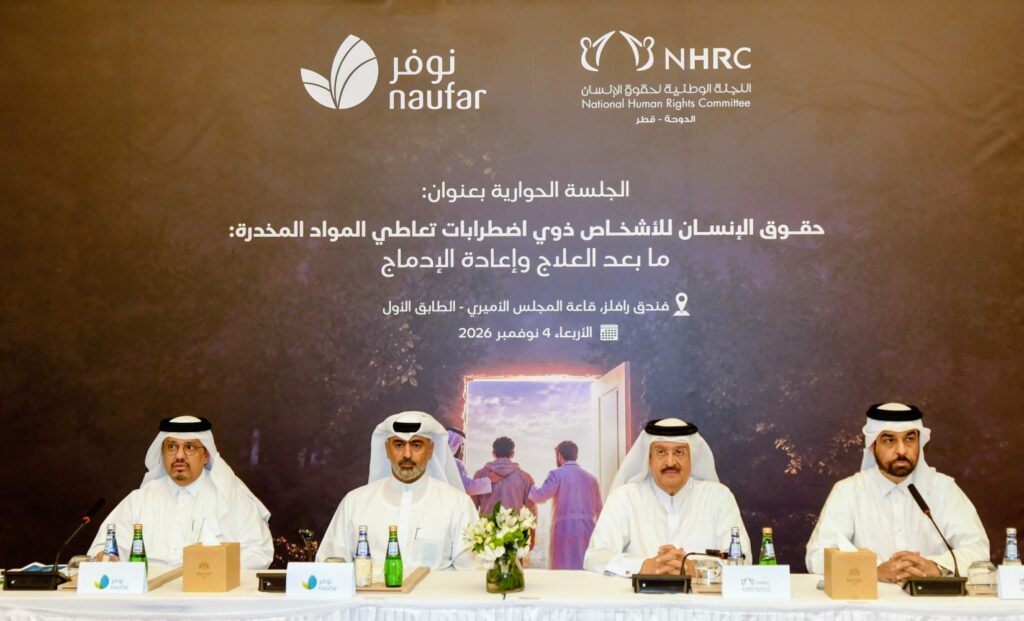
Qatar is pursuing a comprehensive approach to addressing the global challenges of drug trafficking and substance abuse, while strengthening the rights, dignity and social inclusion of people recovering from addiction, participants at a dialogue session organised by the National Human Rights Committee (NHRC) have said.
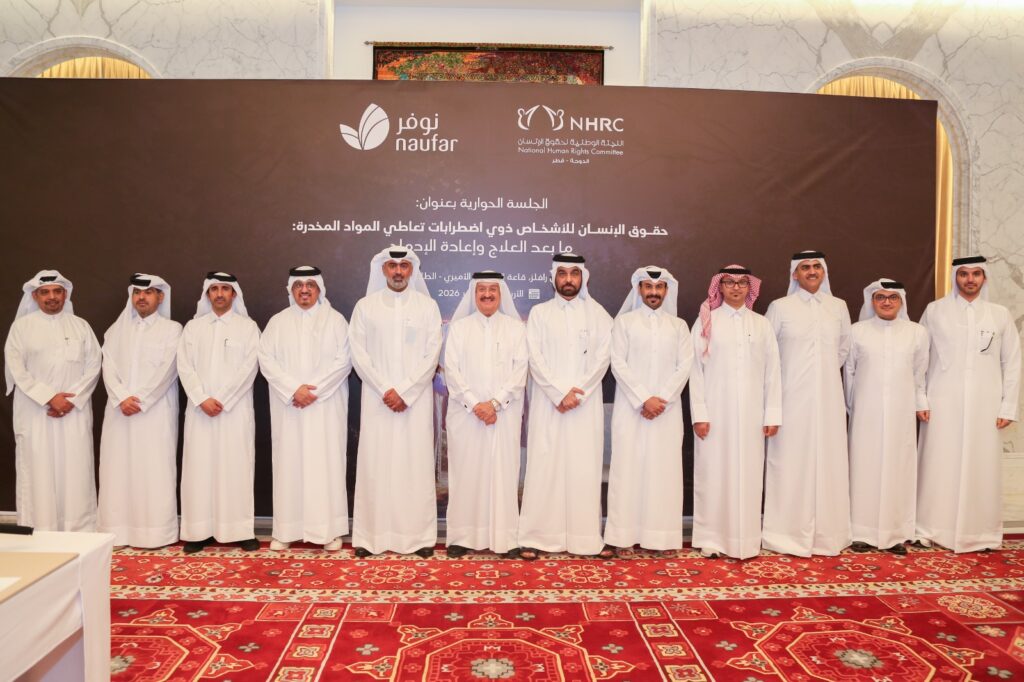
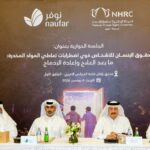
Held in partnership with Naufar Centre, the session, titled “Human Rights of Persons with Substance Use Disorders: Beyond Treatment and Social Reintegration,” brought together representatives of several government ministries, the Public Prosecution, Supreme Judiciary Council, Civil Service and Government Development Bureau, behavioural health institutions and the World Health Organization, among other relevant bodies.
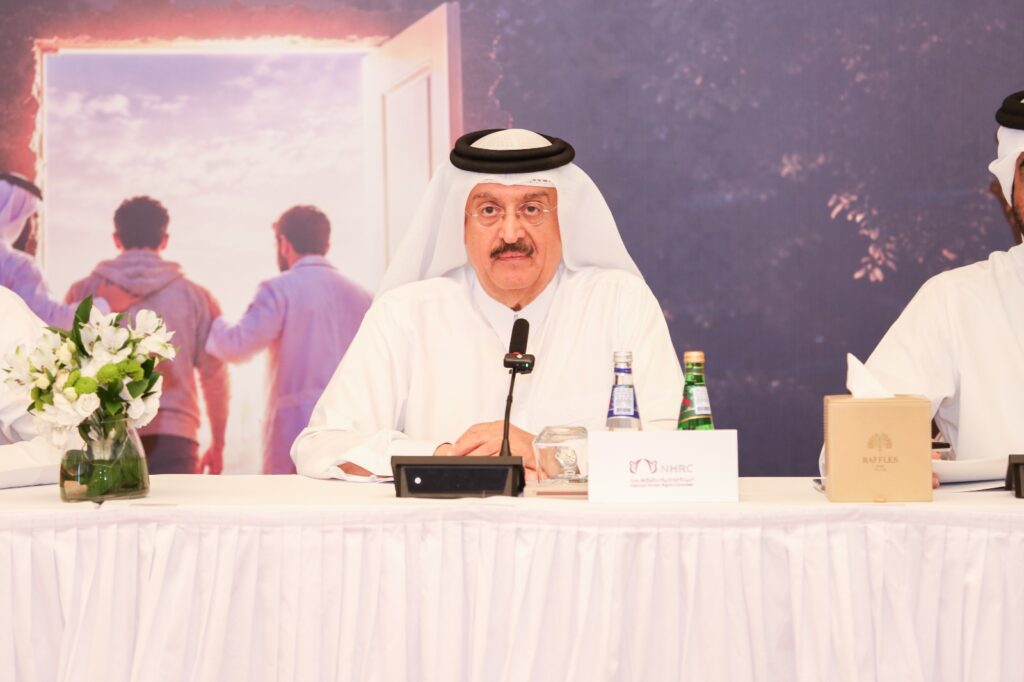
NHRC Vice-Chairman Dr Muhammad Saif Al Kuwari said the issue involved interconnected social, economic and health dimensions, requiring a comprehensive approach based on international human rights standards.
He recalled that the dialogue followed up on recommendations of the Fourth National Forum, held in January 2026 in partnership with the Ministry of Interior, which focused on human rights in combating drugs and developing sustainable solutions.
Dr Al Kuwari commended the Ministry of Interior and other relevant authorities for their preventive and enforcement measures, which, he said, had helped Qatar maintain a strong position in relevant international indicators. However, he stressed that people recovering from substance use disorders should not face social stigma or discrimination.
He emphasised that recovery does not end when a patient leaves a healthcare facility. Continued medical care, employment opportunities, family stability and community acceptance are essential to preventing relapse and ensuring lasting recovery.
He urged institutions to protect recovering individuals' rights to employment, education and housing, while safeguarding their privacy and the confidentiality of medical records. He also called for their participation in developing policies and decisions affecting their future.
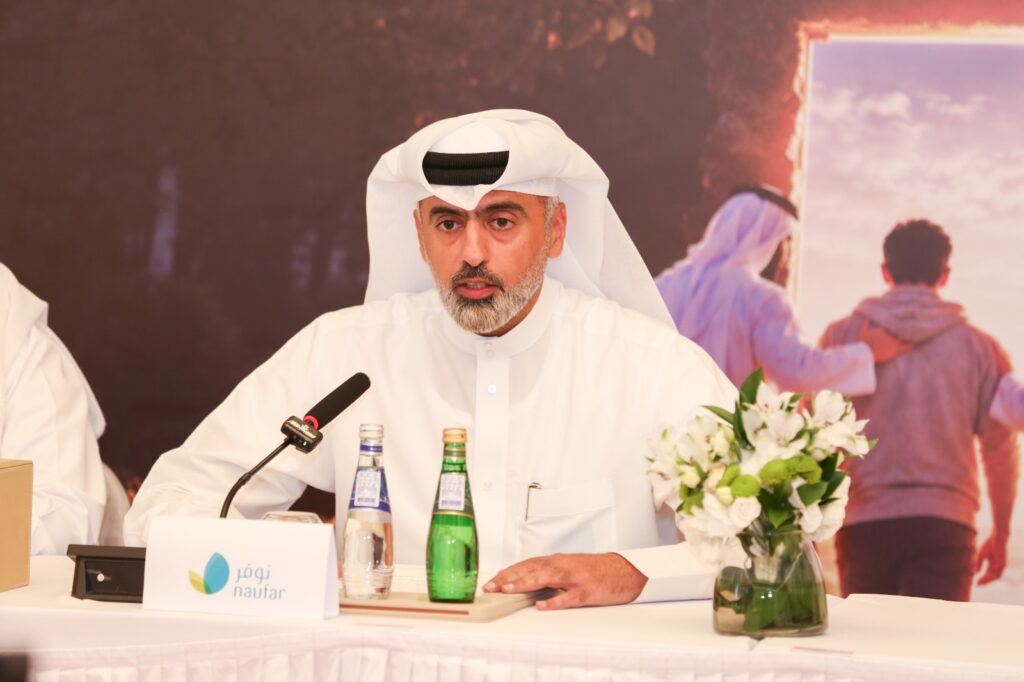
Naufar Centre Director-General Dr Khalifa Juham Al Kuwari said respect for human rights was an integral part of quality healthcare. He explained that recovery extended beyond medical treatment to rebuilding self-confidence, strengthening family relationships and returning to education, employment and active community participation.
He stressed the need to challenge misconceptions surrounding addiction, describing it as a health condition requiring treatment, understanding and support rather than social judgement.
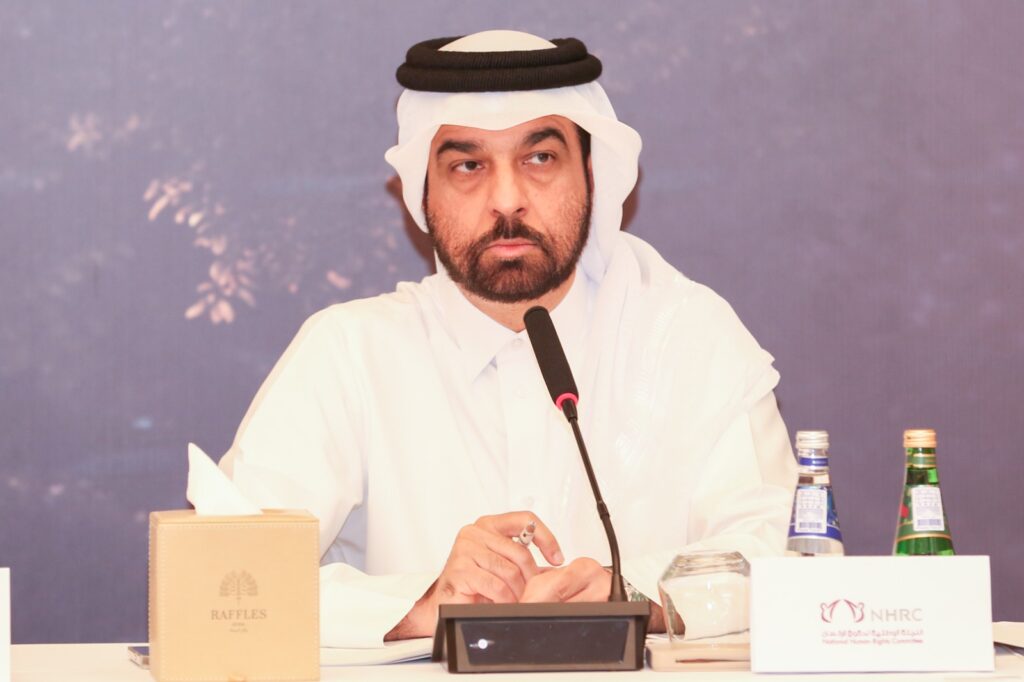
NHRC Secretary-General Sultan bin Hassan Al Jamali announced seven recommendations emerging from the session. These included strengthening legislation and public policies, removing barriers to reintegration, establishing a permanent platform for recovery ambassadors to exchange experiences, and using their contributions in public awareness and prevention campaigns.
Other recommendations included launching joint community initiatives against stigma, developing an integrated institutional framework for post-treatment support, establishing a fund for recovering individuals under the supervision of the General Secretariat of the Council of Ministers, and ensuring continued healthcare and behavioural support.
The participants also called for developing common indicators to assess sustainable recovery at individual, family, community and institutional levels, while maintaining strict confidentiality of medical information.
Naufar Legal Affairs Director Mohammed bin Ghanem Al Mohannadi welcomed the partnership, describing the discussion as an opportunity for government institutions to exchange expertise on treatment, rehabilitation and social reintegration.
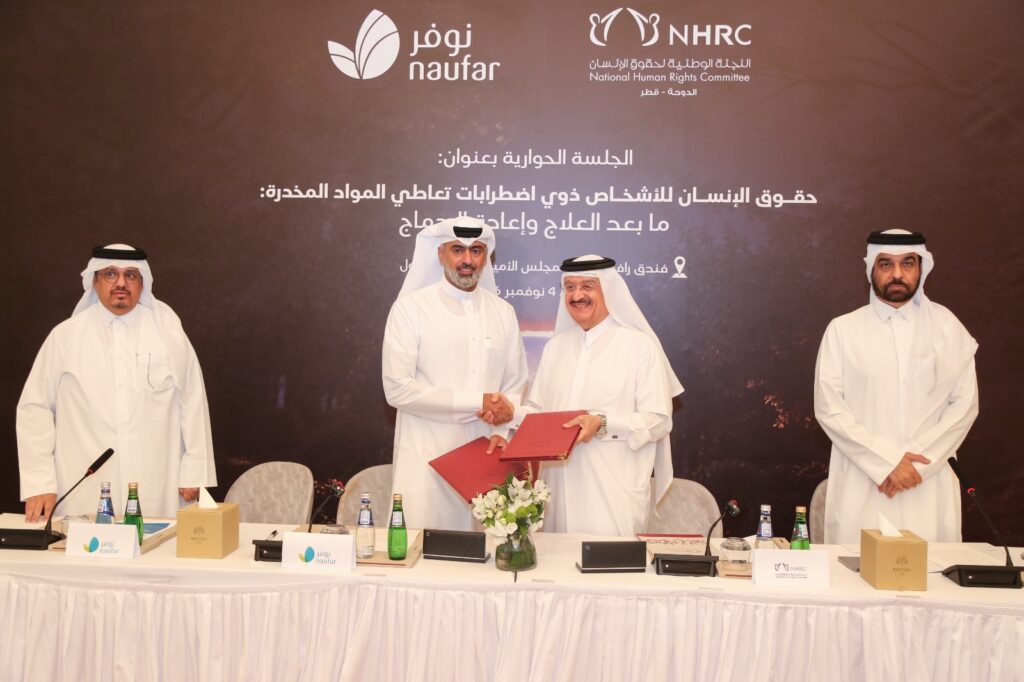
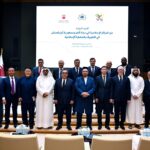
On the sidelines, the NHRC and Naufar Centre signed a memorandum of understanding to strengthen cooperation in human rights awareness, healthcare and rehabilitation, professional training, research, information exchange and community initiatives.
The agreement also seeks to develop educational materials and guidelines, build institutional capacity and promote equality, dignity and non-discrimination.
The partnership reflects Qatar's broader commitment to ensuring that people recovering from addiction receive not only appropriate treatment but also the opportunities and community support needed to rebuild their lives and contribute meaningfully to society, in line with Qatar National Vision 2030.

 American Chamber of Commerce Qatar
 Bangladeshi Community
 Filipino Community
 Indian Community
 Nepali Community
 Pakistani Community
 Sri Lankan Community