Ankara, 07 July 2026 (Anadolu News)
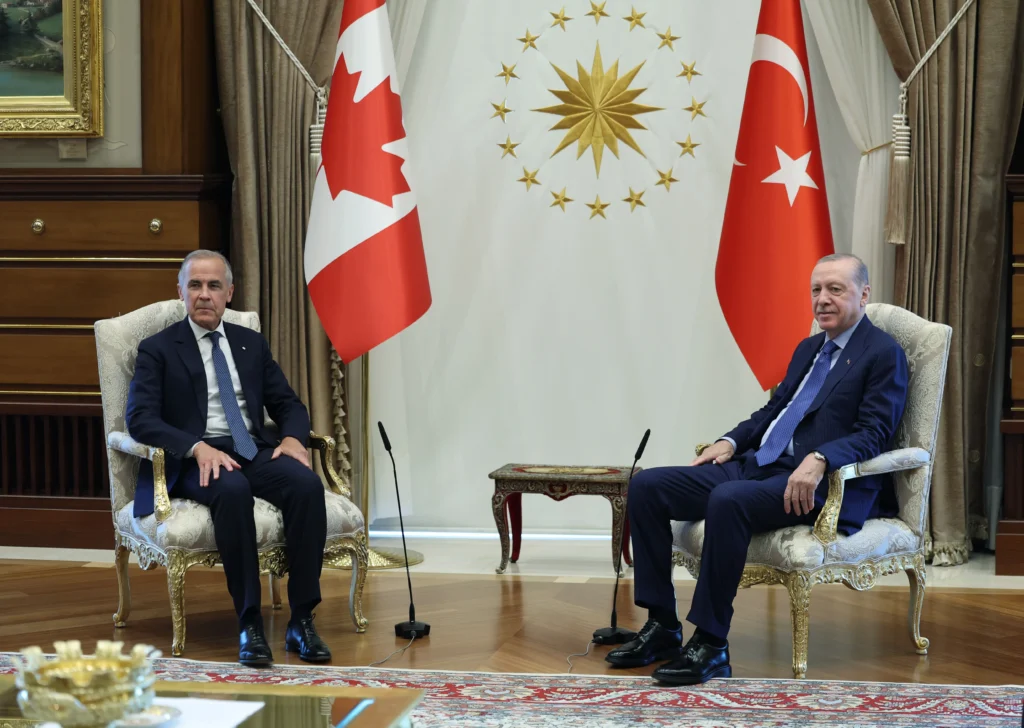
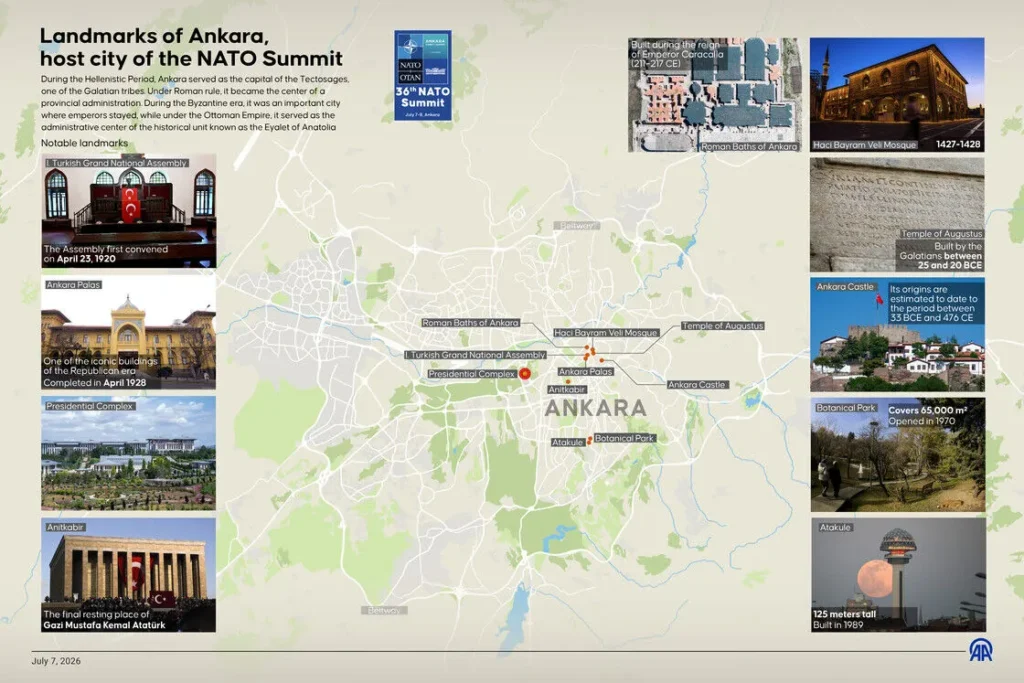
The first day of the 2026 NATO Summit in Ankara brought together leaders from NATO’s 32 member states, partner countries, and the European Union for discussions centered on the alliance’s future, collective security, and strengthening transatlantic cooperation. Hosted by Türkiye, the two-day gathering has placed a strong emphasis on expanding defense capabilities and improving cooperation among allied nations amid an increasingly complex global security environment.
Trump vows to lift CAATSA sanctions on Türkiye
US president signals potential F-35 fighter jet sales to Ankara
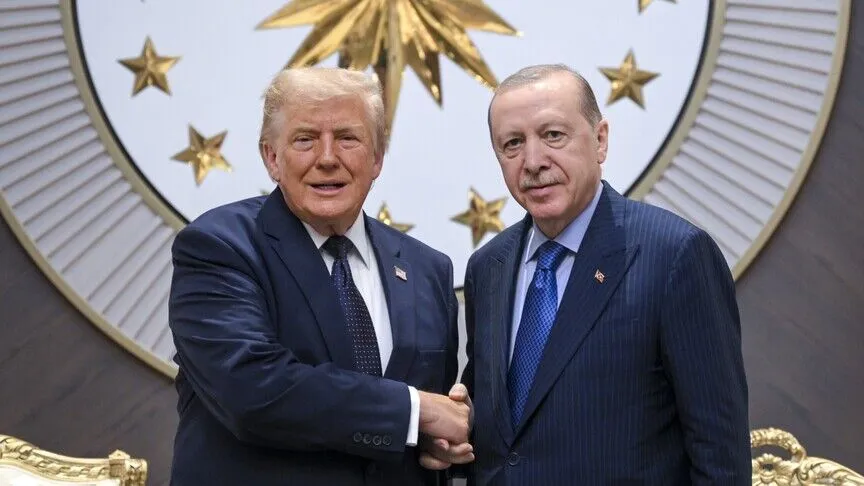
US President Donald Trump vowed on Tuesday to remove the CAATSA sanctions imposed on Türkiye, signaling a major shift in bilateral relations during a high-level meeting with Turkish President Recep Tayyip Erdogan.
“We’re going to be taking the sanctions off ... We don’t want to sanction friends,” Trump told reporters during a meeting with Turkish President Recep Tayyip Erdogan on the sidelines of the NATO summit in Ankara.
The US president said he is coordinating with Secretary of State Marco Rubio and Defense Secretary Pete Hegseth to finalize the decision.
Regarding the F-35 fighter jet program, Trump noted that he would "certainly consider" restoring sales to Ankara, characterizing Türkiye as being “much more loyal than other countries.”
He also dismissed concerns about Türkiye's purchase of the Russian S-400 missile defense system, asserting that the bilateral relationship is "better, probably than it's ever been."
A major focus of the opening day was boosting defense production and industrial collaboration. NATO Secretary General Mark Rutte unveiled several new multinational initiatives designed to strengthen the alliance’s defense ecosystem. These include the NATO Front Door for Industry platform, the NATO Engine manufacturing network, a project to secure defense-critical raw materials, and NATO Drone Edge, under which allies are expected to invest more than $40 billion over the next five years in drone and counter-drone technologies. Leaders also discussed increasing defense spending, accelerating military manufacturing, reinforcing support for Ukraine, and addressing broader security concerns such as cyber threats, artificial intelligence, and instability in the Middle East.
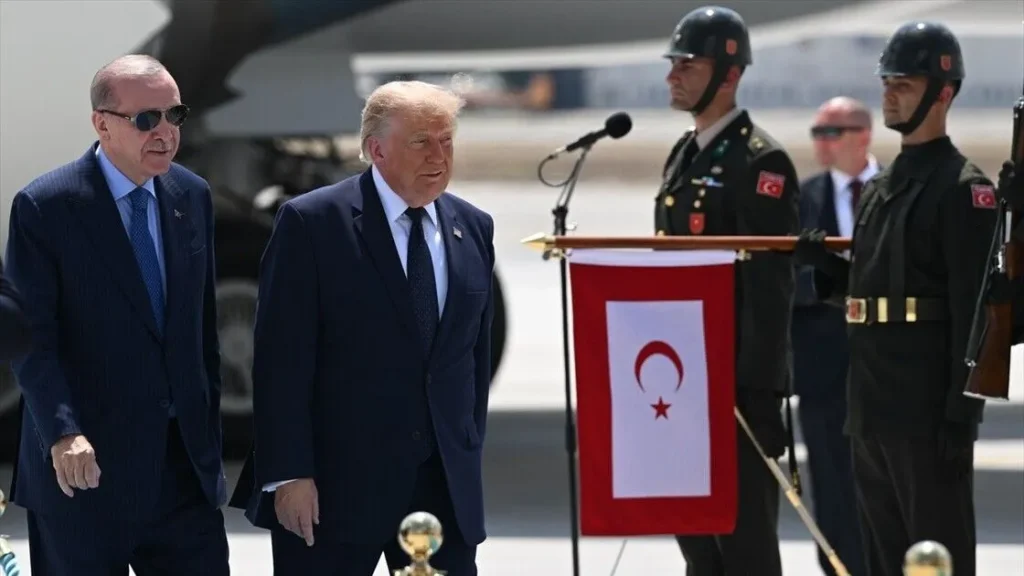
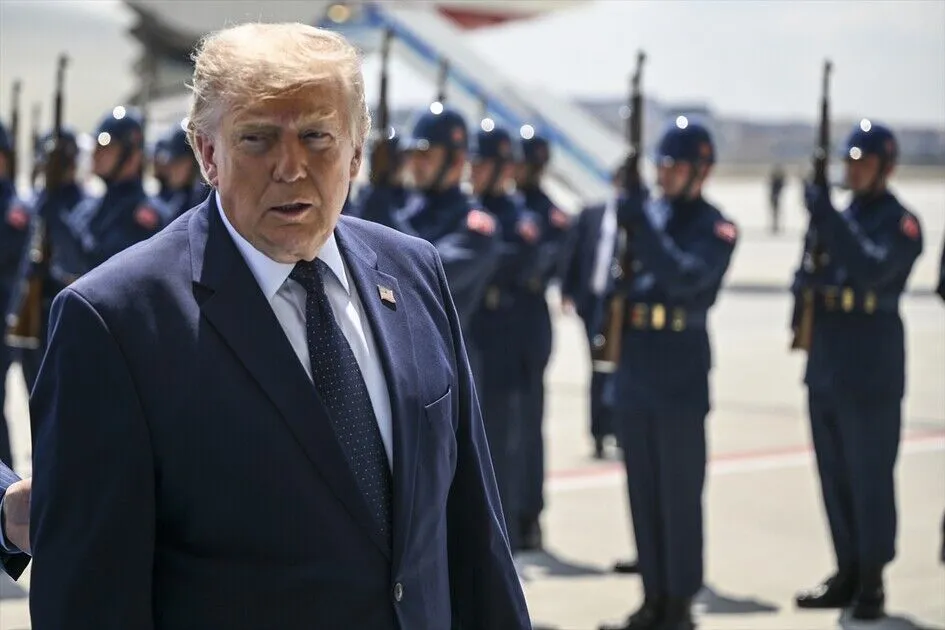
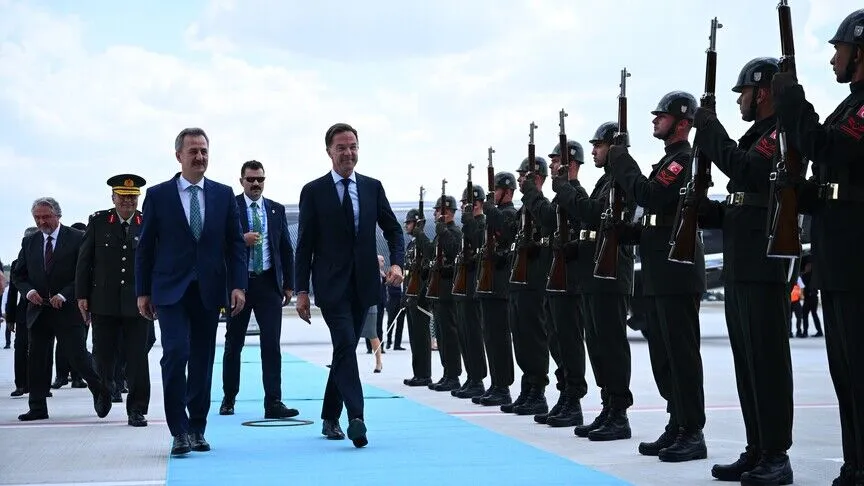
Turkish President Recep Tayyip Erdoğan welcomed U.S. President Donald Trump to Ankara at Esenboğa Airport before summit proceedings began. Trump’s participation comes as NATO allies seek to demonstrate their commitment to strengthening European defense capabilities in response to his longstanding calls for greater burden-sharing within the alliance. The summit is also showcasing several large-scale military projects aimed at enhancing NATO’s collective deterrence.
European Commission President Ursula von der Leyen highlighted Türkiye’s strategic importance, describing it as one of NATO’s largest military powers and an essential contributor to both the alliance and EU security cooperation. She emphasized the need for stronger NATO-EU coordination, joint procurement, and a more resilient European defense industrial base.
Beyond hosting the summit, Türkiye reaffirmed its intention to continue playing a diplomatic and mediation role in regional and international affairs. Senior Turkish officials also held a series of bilateral meetings on the sidelines of the NATO Defense Industry Forum with counterparts from Spain, Poland, and Japan to discuss defense cooperation.
Türkiye further strengthened its position within NATO’s defense industry by signing agreements covering five strategic capability areas: strike systems, integrated air and missile defense, space and surveillance technologies, defense-critical raw materials, and unmanned aerial vehicle superiority. These initiatives will involve leading Turkish defense organizations, including Aselsan, Roketsan, STM, and TÜBİTAK, with officials describing them as key pillars of NATO’s future deterrence architecture. NATO Deputy Secretary General Radmila Shekerinska also announced Türkiye’s commitment to procure ground-launched long-range Atmaca cruise missiles, with the combined value of related defense initiatives estimated at approximately $1.6 billion.
Meanwhile, the Kremlin confirmed that Russia is closely monitoring developments at the summit, expecting discussions to focus heavily on Moscow and describing recent statements from NATO members as increasingly confrontational. As the summit continues, leaders are expected to build on the first day’s discussions and outline further measures aimed at strengthening the alliance’s readiness and long-term security.

 American Chamber of Commerce Qatar
 Bangladeshi Community
 Filipino Community
 Indian Community
 Nepali Community
 Pakistani Community
 Sri Lankan Community