Bürgenstock, Switzerland, 21 June 2026
Updated
Despite a recent agreement between the United States and Iran to extend their ceasefire and negotiations by 60 days, regional tensions escalated after Iran’s Islamic Revolutionary Guard Corps (IRGC) announced the closure of the Strait of Hormuz in response to Israeli attacks in Lebanon. However, the US military reported that commercial shipping traffic through the strategic waterway continued without major disruption.
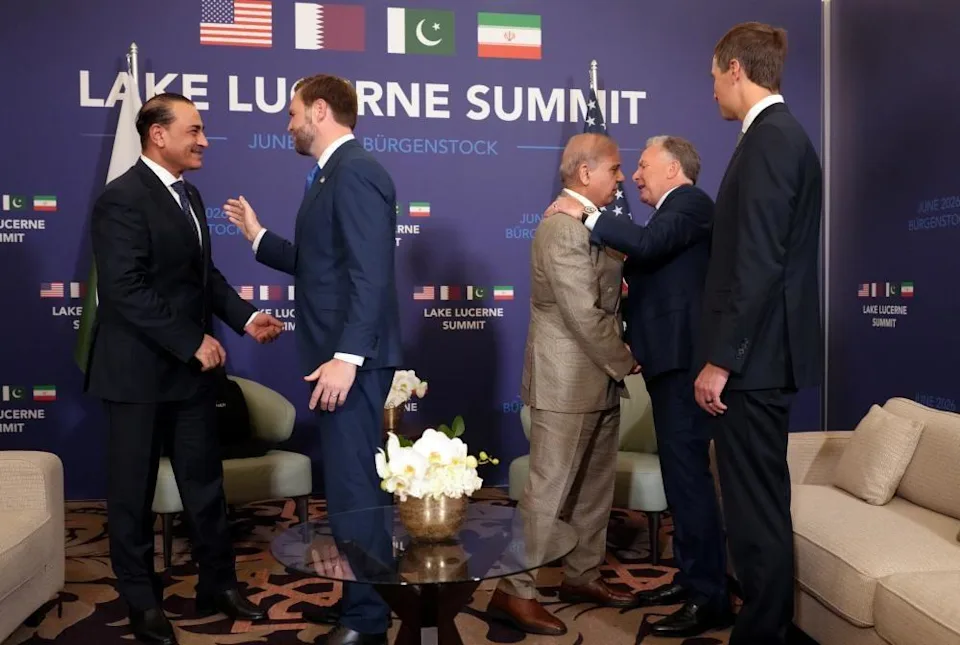
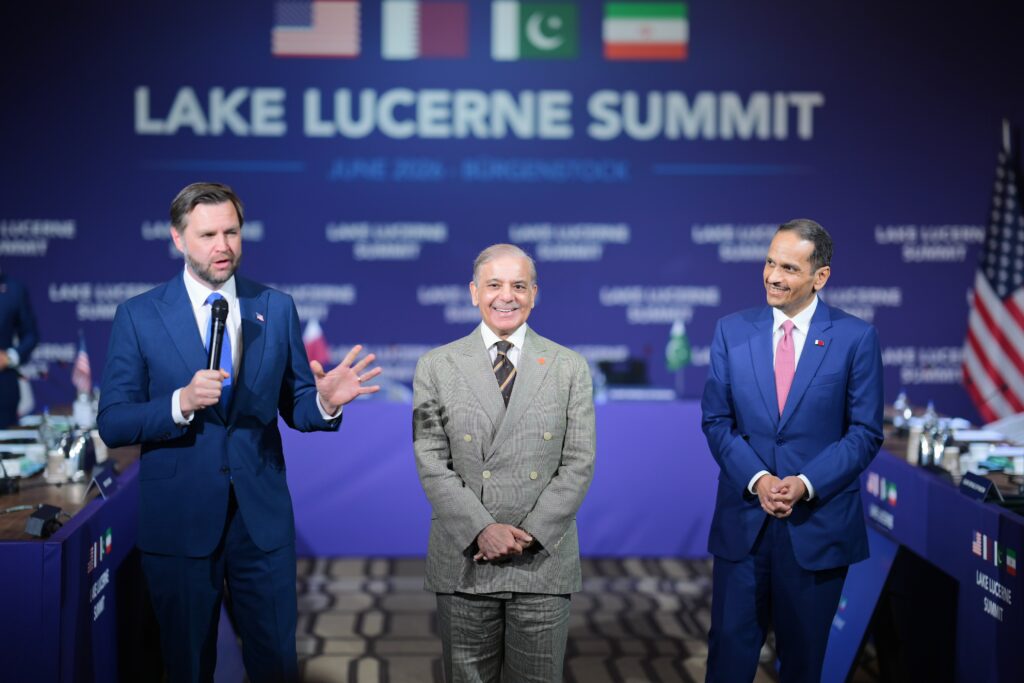
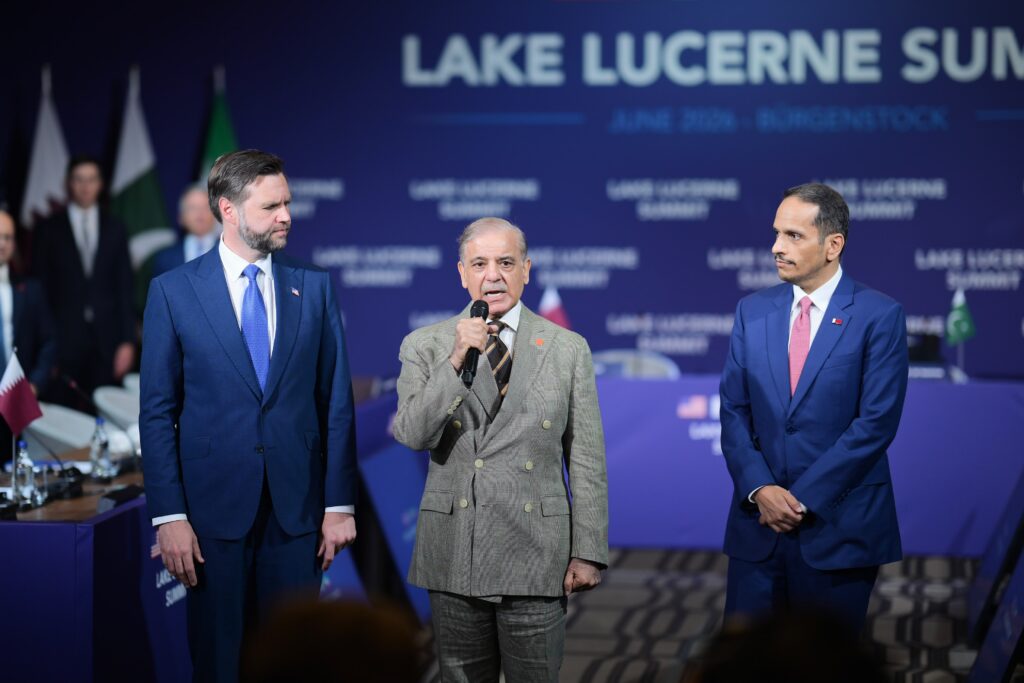
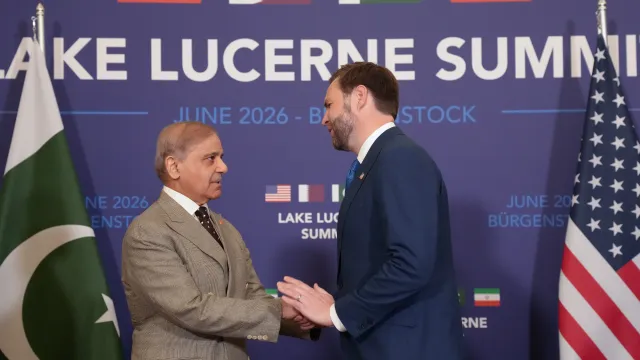
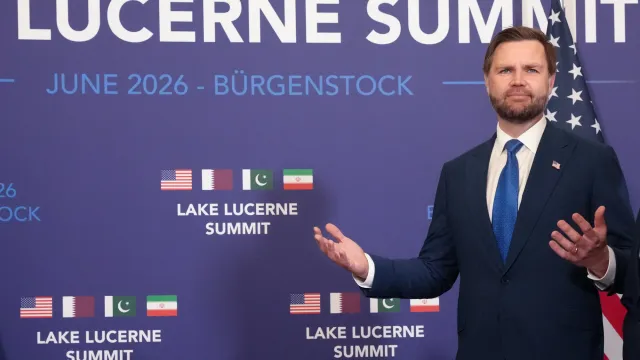
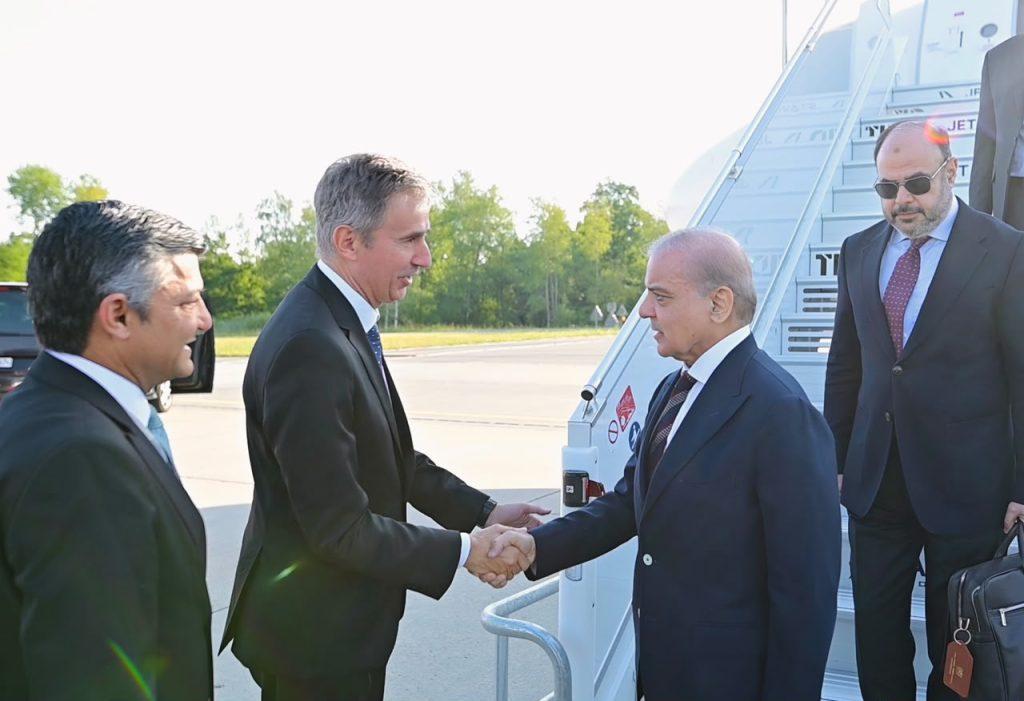
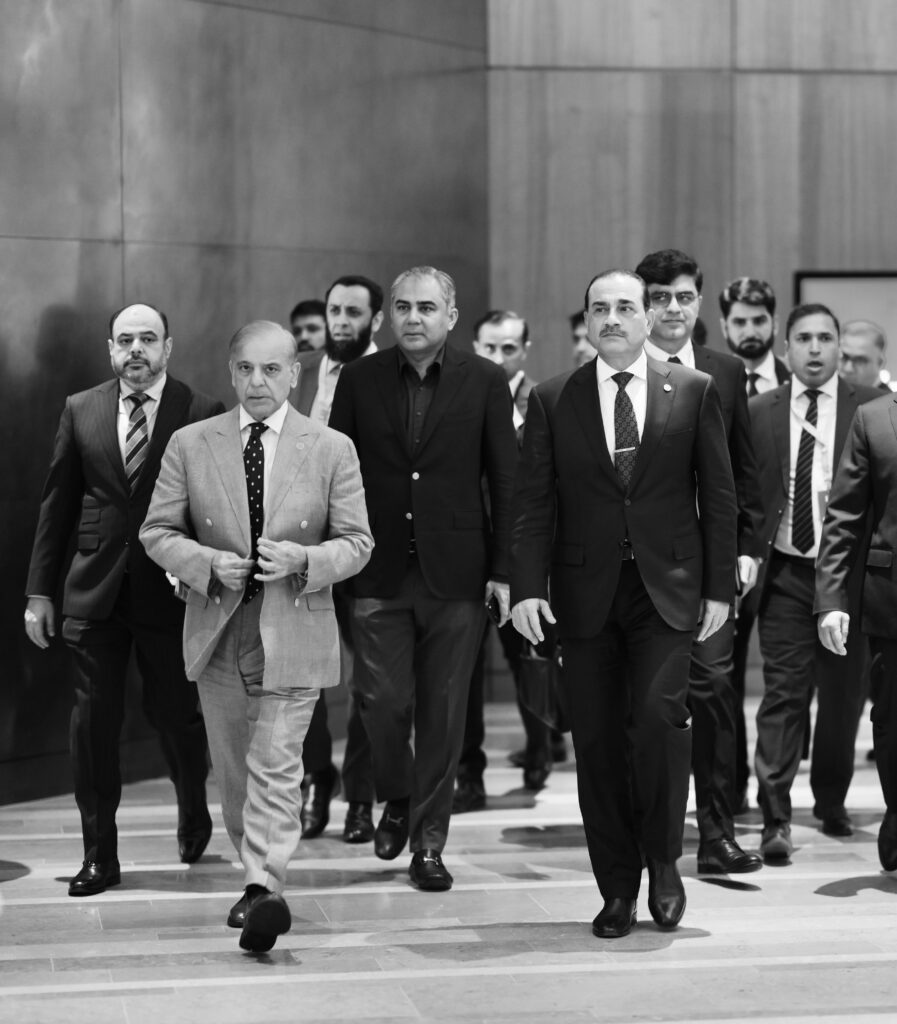
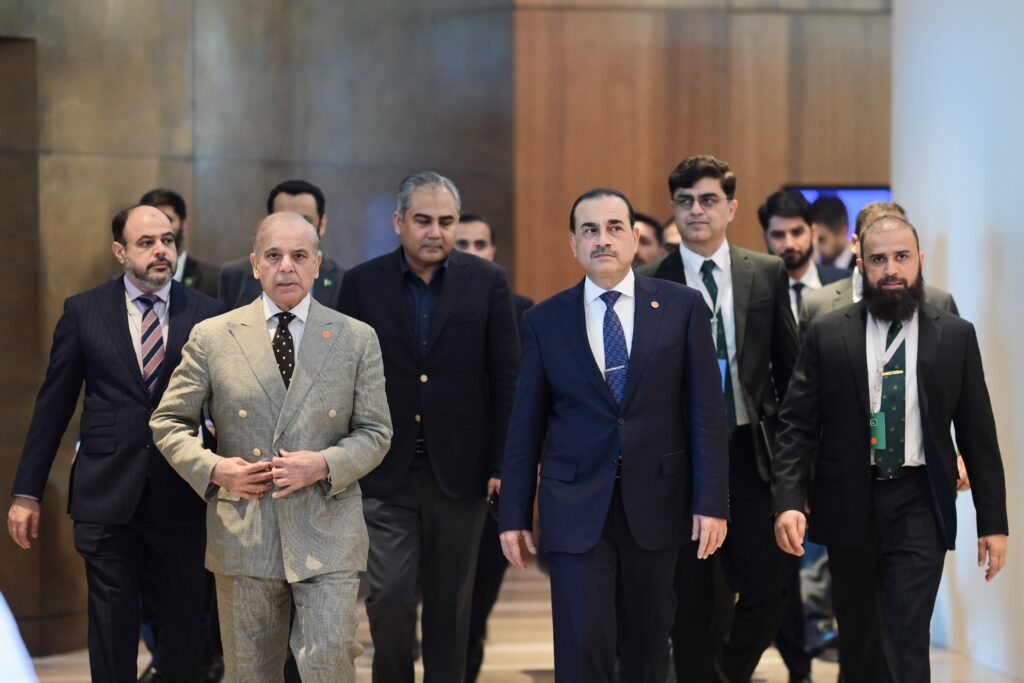
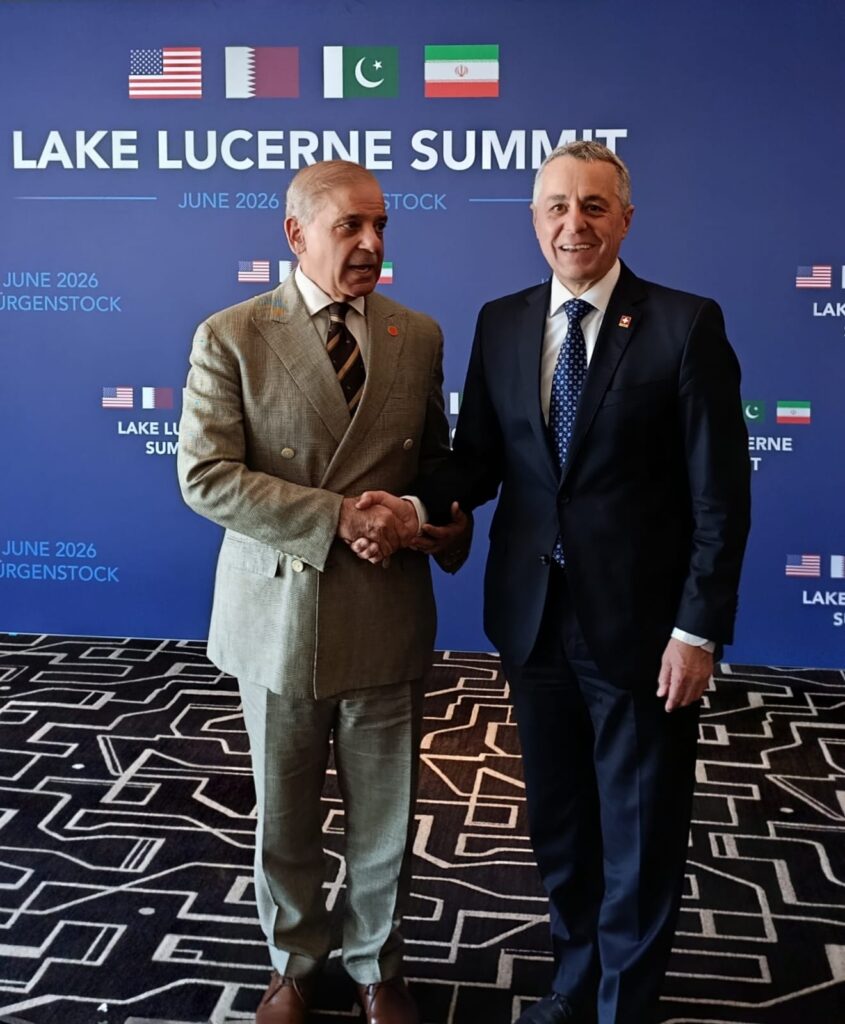
Against this backdrop, high-level diplomatic talks on implementing the Islamabad Memorandum of Understanding (MoU) commenced on Sunday at the Bürgenstock resort in Switzerland. Pakistan’s Prime Minister Muhammad Shehbaz Sharif arrived in Zurich with his delegation and was received by Swiss Foreign Office Director General Ambassador Marcus Leitner. He is joined by Chief of Army Staff and Chief of Defence Staff Field Marshal Syed Asim Munir.
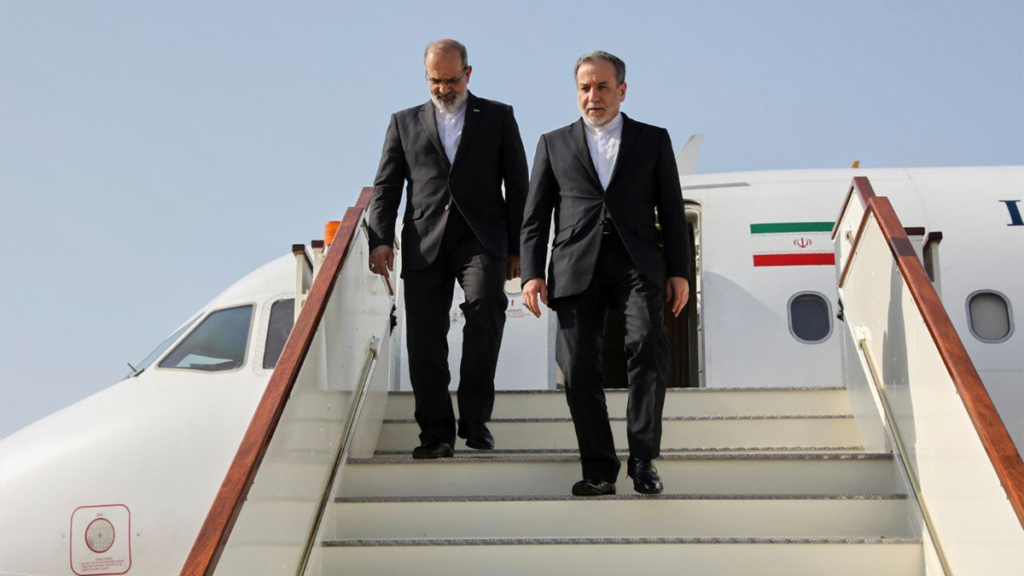
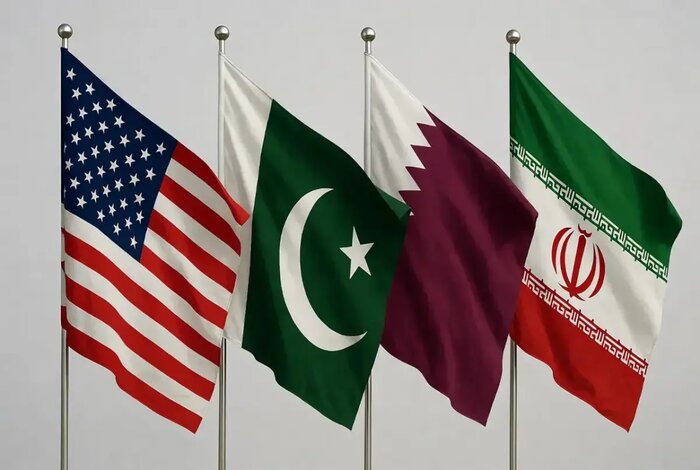
The negotiations have brought together senior representatives from Iran, the United States, Qatar, Pakistan, and Switzerland. Iran’s delegation is led by Parliament Speaker Mohammad Bagher Ghalibaf and includes Foreign Minister Abbas Araghchi, Deputy National Security Council official Ali Bagheri Kani, Central Bank Governor Abdolnaser Hemmati, National Iranian Oil Company CEO Hamid Bovard, Deputy Foreign Minister Kazem Gharibabadi, and Foreign Ministry spokesperson Esmaeil Baqaei.
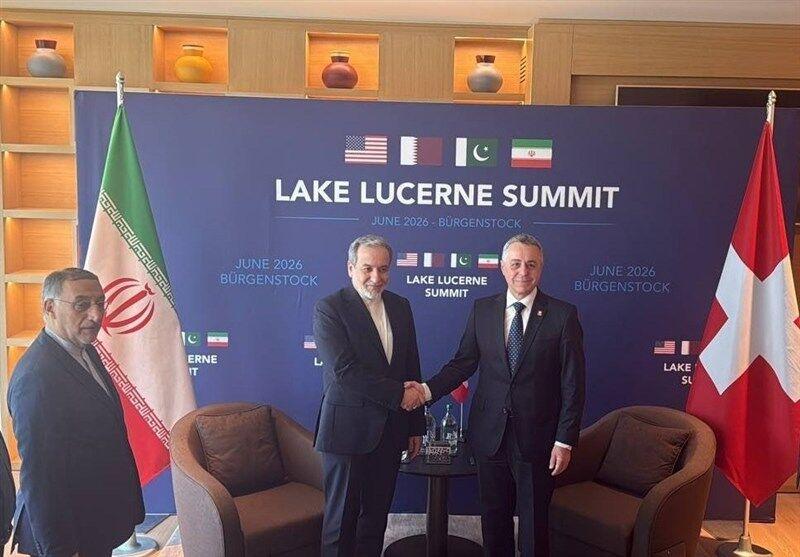
Before the multilateral talks began, Araghchi held a meeting with Swiss Foreign Minister Ignazio Cassis, marking the Iranian delegation’s first official engagement in Switzerland. While no details of the discussion were disclosed, the meeting was viewed as an important step ahead of broader consultations.
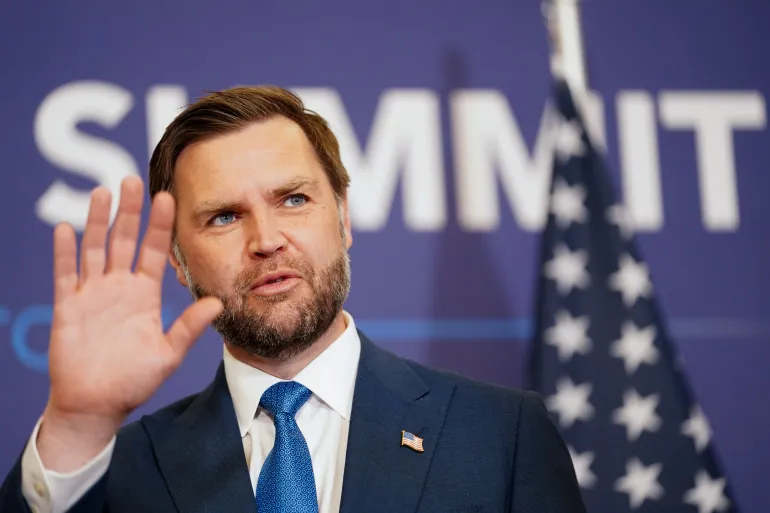
The US delegation is headed by Vice President JD Vance and includes Special Envoy Steve Witkoff and presidential adviser Jared Kushner. Prior to arriving in Switzerland, Vance suggested the talks could last one to two days and focus on implementing the MoU, addressing the situation in Lebanon, and discussing Iran’s nuclear program.
Qatar and Pakistan are playing key mediating roles in the negotiations. Ahead of the formal talks, Ghalibaf held separate meetings with Prime Minister Shehbaz Sharif and Qatari Prime Minister and Foreign Minister Sheikh Mohammed bin Abdulrahman Al Thani. Both countries have been actively facilitating dialogue between Tehran and Washington.
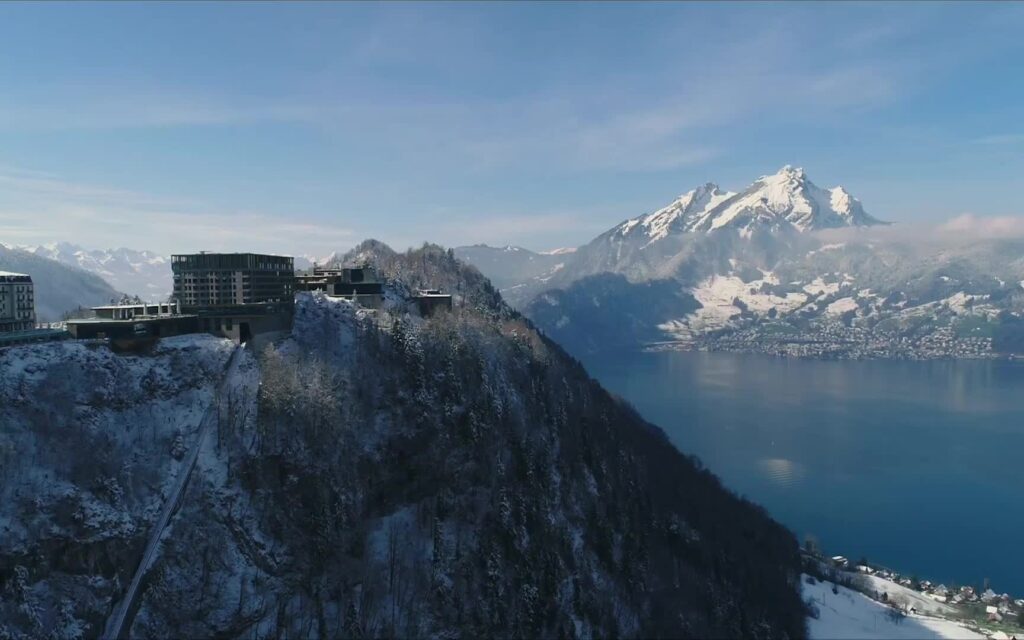
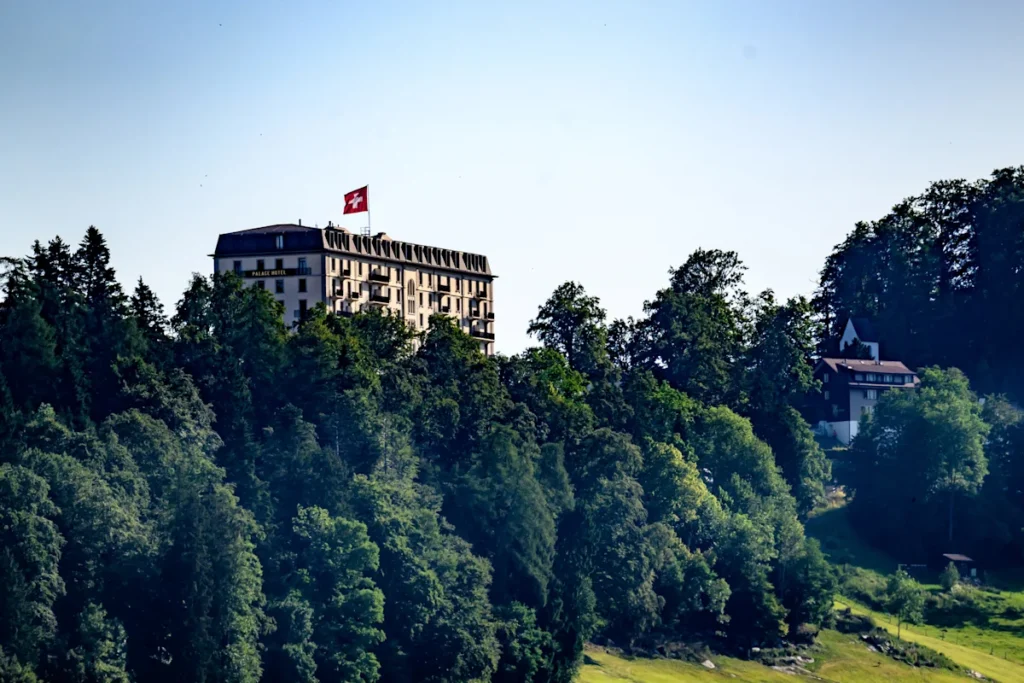
According to Iran’s official news agency IRNA, a quadrilateral meeting involving Iran, the United States, Qatar, and Pakistan began on Sunday, with discussions centered on translating the Islamabad MoU into practical actions. Swiss authorities have described Bürgenstock as a secure and confidential venue designed to support sensitive diplomatic engagements, while declining to reveal additional details about participants or agenda items.
Iran has stressed that its immediate objective is ensuring implementation of commitments already agreed upon rather than entering a new round of comprehensive negotiations. Tehran maintains that future discussions on a broader agreement will depend on measurable progress in fulfilling key provisions of the MoU. Iranian officials have also reiterated demands for reduced sanctions pressure, an end to regional conflicts, and the withdrawal of US forces from areas surrounding Iran.
With regional instability persisting, particularly in Lebanon, the Bürgenstock talks are being closely watched as a critical test of whether the parties can honor existing commitments and pave the way for further diplomatic progress.

 American Chamber of Commerce Qatar
 Bangladeshi Community
 Filipino Community
 Indian Community
 Nepali Community
 Pakistani Community
 Sri Lankan Community