Doha, 05 Oct. 2026
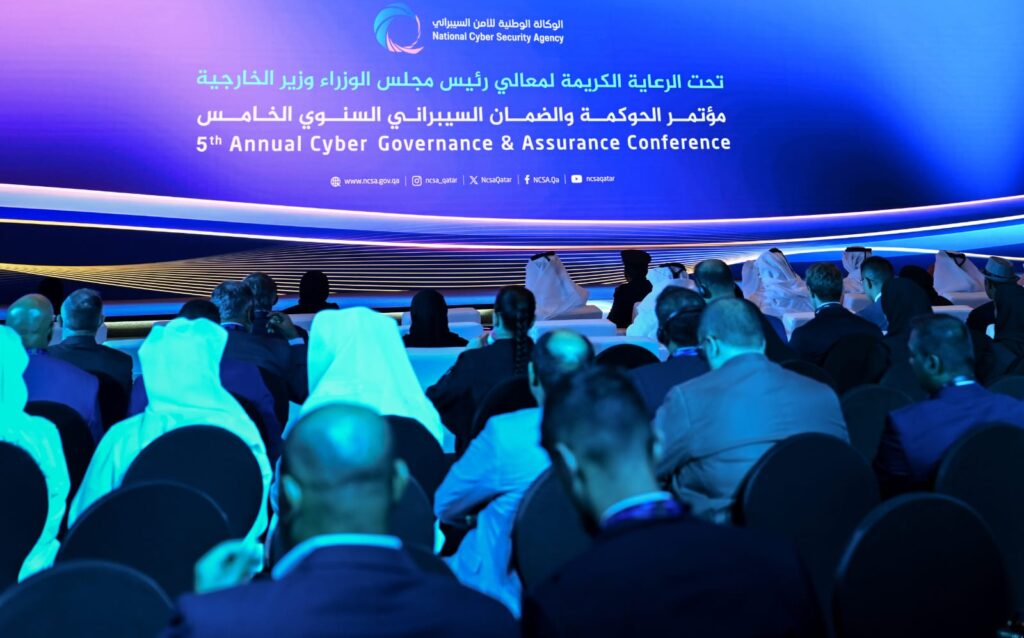
The National Cyber Security Agency (NCSA) has stepped up efforts to strengthen Qatar’s digital resilience with the organisation of the fifth Annual Cyber Governance and Assurance Conference, held on Monday under the theme ‘Securing the Digital Future in an Era of Convergence.’
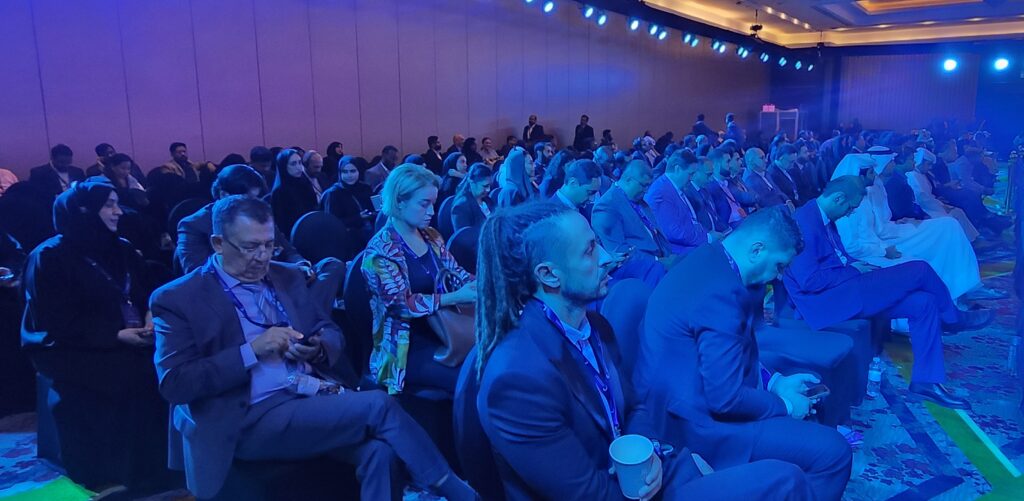
Held under the patronage of Sheikh Mohammed bin Abdulrahman bin Jassim Al Thani, Prime Minister and Minister of Foreign Affairs, the conference brought together senior officials, government representatives and private-sector leaders to discuss the growing importance of cybersecurity as Qatar accelerates its digital transformation.
The event was attended by Mohammed bin Ali bin Mohammed Al Mannai and HE Eng. Abdulrahman bin Ali Al Farahid Al Malki, President of the NCSA, along with senior officials and representatives from government entities and private organisations.
A major highlight was the launch of the National and Enterprise Information Security Risk Management Framework, alongside several strategic initiatives designed to strengthen Qatar’s cybersecurity ecosystem and improve preparedness for emerging threats.
Addressing the conference, Al Malki said securing the digital future had become a strategic responsibility extending beyond protecting systems and data. It also involved building trust, ensuring service continuity and strengthening the ability of organisations to adapt to an increasingly complex cyber threat environment.
He stressed the importance of a proactive approach based on innovation, information and expertise sharing, national capacity building, stronger public-private partnerships and sustained preparedness.
Al Malki noted that greater cyber resilience would help create a secure and sustainable digital environment capable of supporting innovation and economic growth while maintaining public confidence in digital services and technologies.
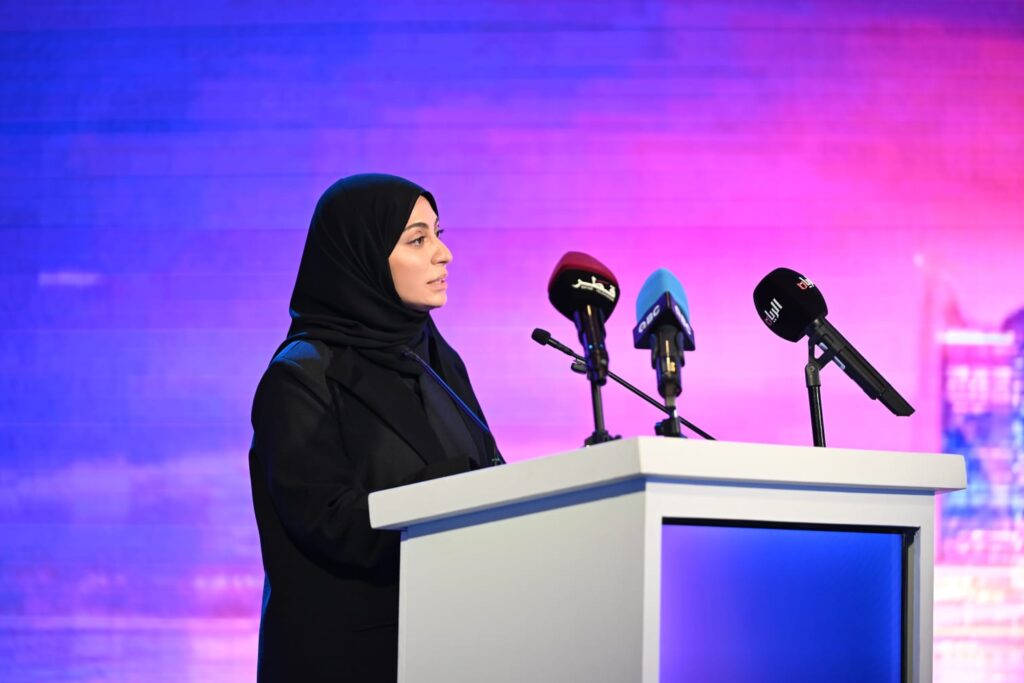
Eng. Dana Yousif Al Abdulla, Director of Policy Affairs at the NCSA, highlighted the close link between cybersecurity and Qatar’s broader development ambitions under Qatar National Vision 2030. She said cybersecurity now encompasses not only the protection of systems and information, but also service continuity, critical infrastructure, the digital economy and trust in the digital environment.
She emphasised that growing threats to critical sectors could no longer be addressed separately, making closer cooperation among regulators, critical sectors and technology providers essential.
Al Abdulla also announced a new collaboration with the Qatar Financial Markets Authority, including a dedicated compliance programme for regulated entities and supplementary controls to the National Cybersecurity Standards.
The conference further highlighted preparations for the post-quantum computing era and plans for a roadmap to implement the Operational Technology Cybersecurity Assessment Program developed by the International Society of Automation.
Another key development was the signing of a Memorandum of Understanding between the NCSA and CREST International to strengthen cybersecurity cooperation, raise standards and support mutual recognition of requirements for accredited penetration-testing providers.
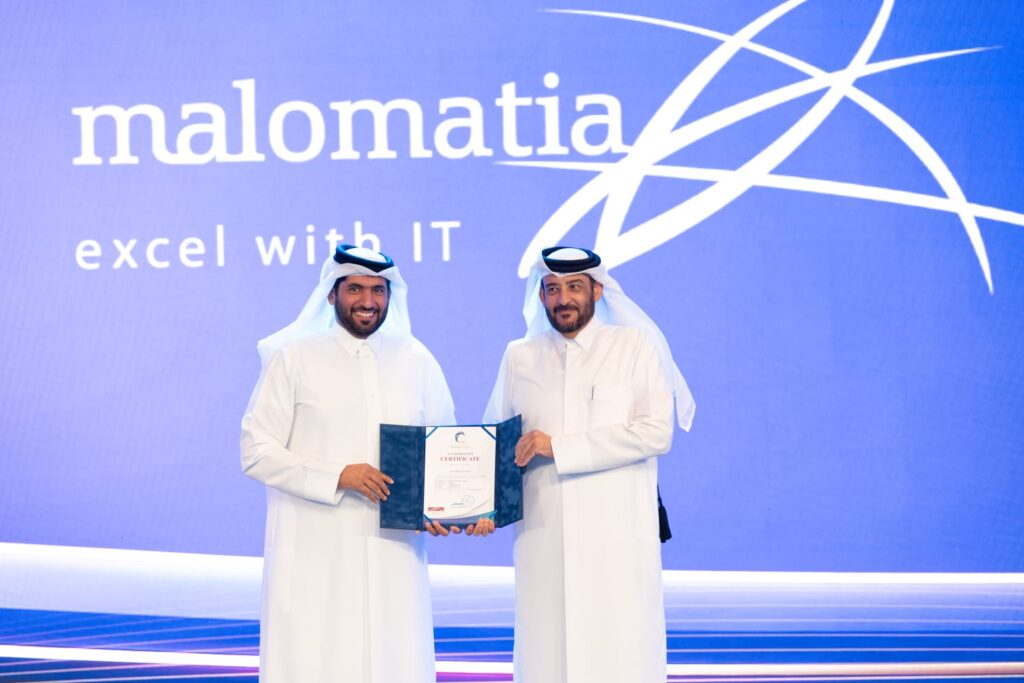
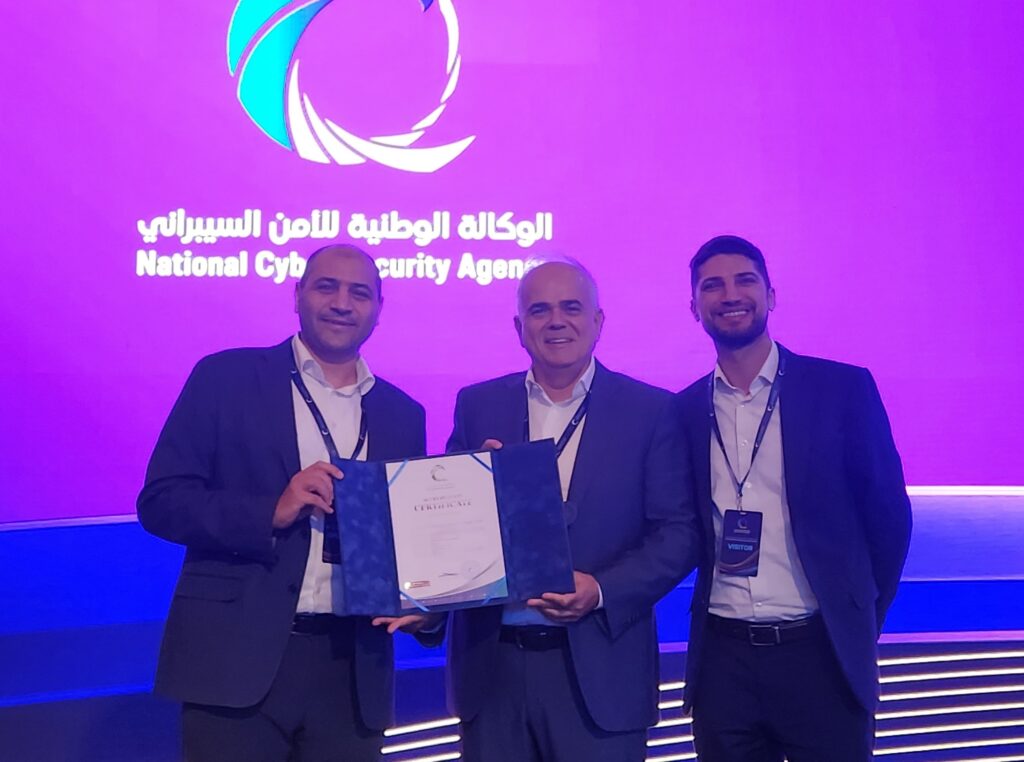
The conference also recognised companies and institutions that secured accreditation and compliance certificates under the National Information Assurance Standard and the Qatar Common Criteria Scheme.
A series of expert discussions explored digital sovereignty, quantum computing, public-private cybersecurity cooperation, data governance, artificial intelligence, supply-chain risks and the challenges posed by AI in operational technology.
Four specialised workshops held alongside the conference provided further practical insights into cyber-risk management, penetration-testing accreditation, NIA certification for financial-market participants and emerging data-privacy trends.
The conference ultimately provided a valuable platform for sharing knowledge and international best practices while encouraging closer cooperation between government, industry and cybersecurity specialists to help safeguard Qatar’s increasingly connected digital future.

 American Chamber of Commerce Qatar
 Bangladeshi Community
 Filipino Community
 Indian Community
 Nepali Community
 Pakistani Community
 Sri Lankan Community