Doha, 18 Nov. 2026
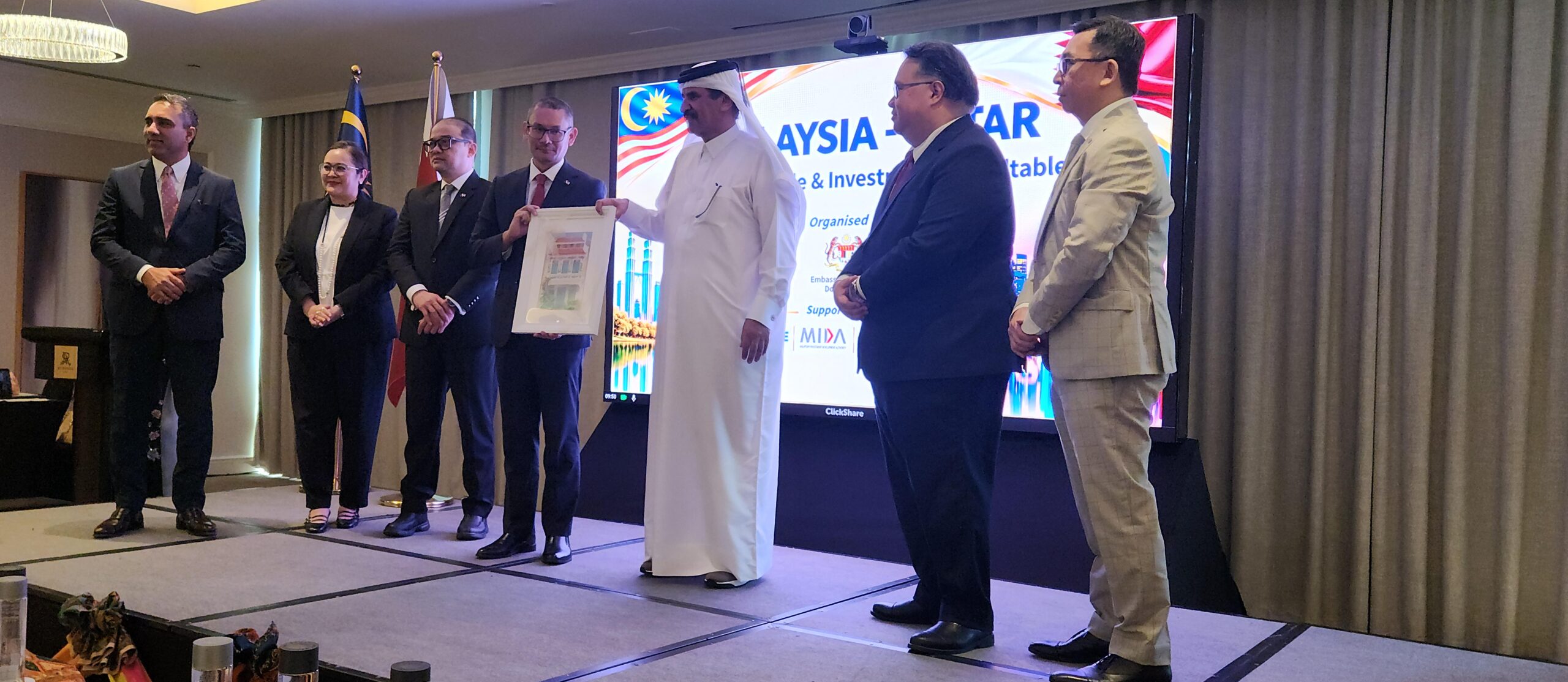
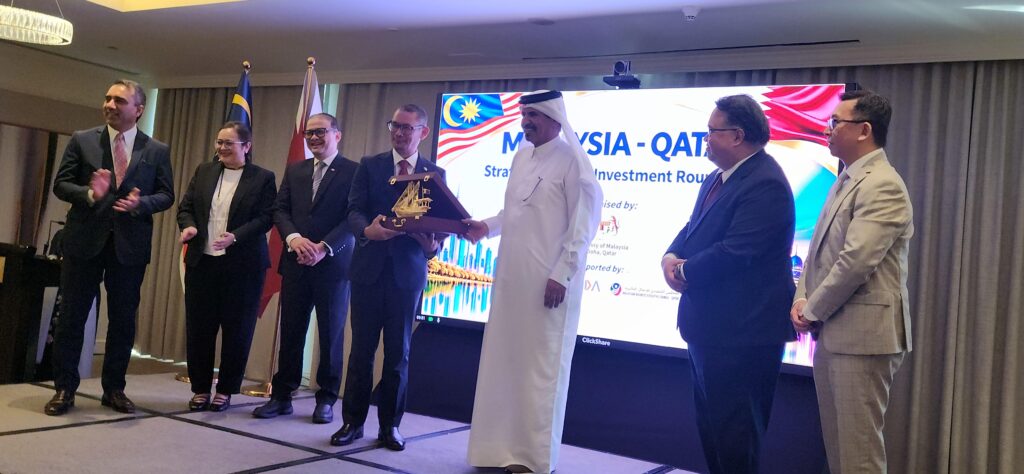
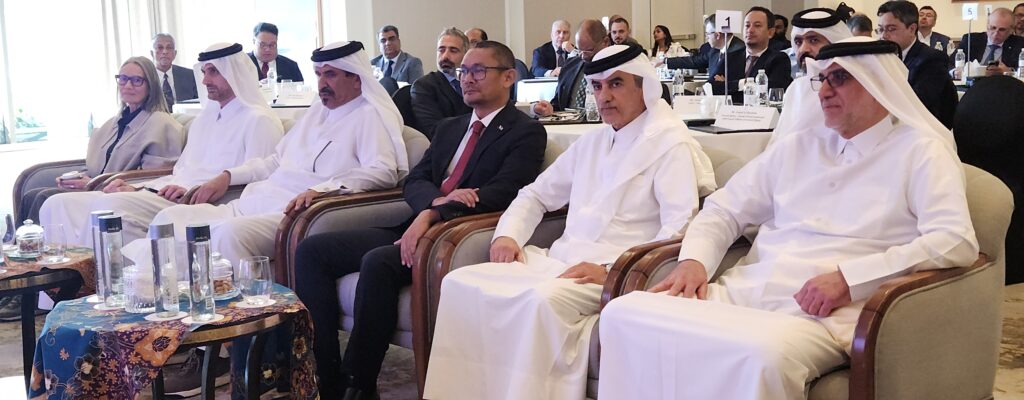
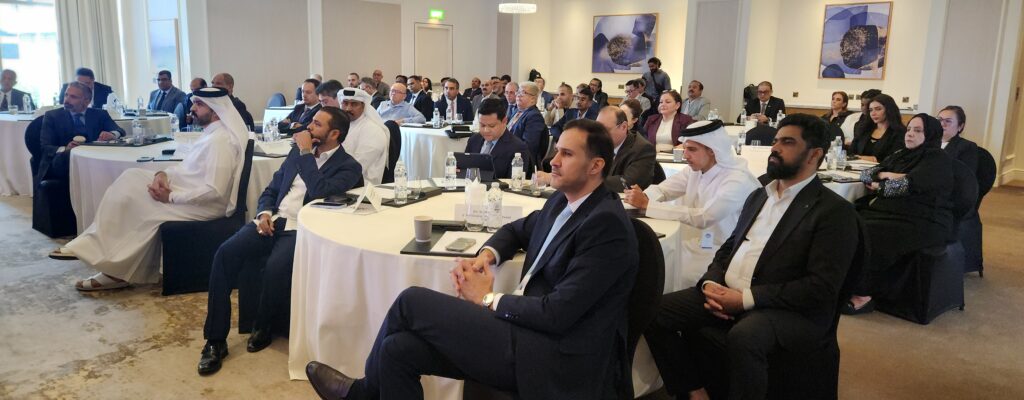
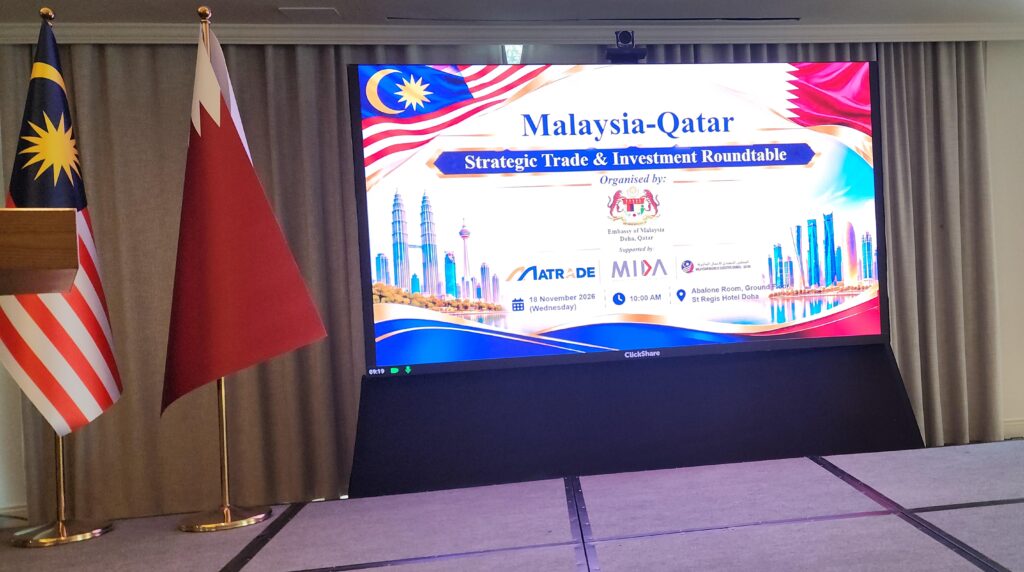
The Malaysia Strategic Trade and Investment Roundtable brought together senior officials, business leaders and entrepreneurs from Malaysia and Qatar at the St. Regis Doha on Wednesday, highlighting fresh opportunities to expand bilateral trade, investment and economic cooperation.
Organised by the Embassy of Malaysia in Qatar, with support from the Malaysia External Trade Development Corporation (MATRADE) and the Malaysian Investment Development Authority (MIDA), the gathering aimed to strengthen business connections, encourage two-way investments and identify promising areas for future collaboration.
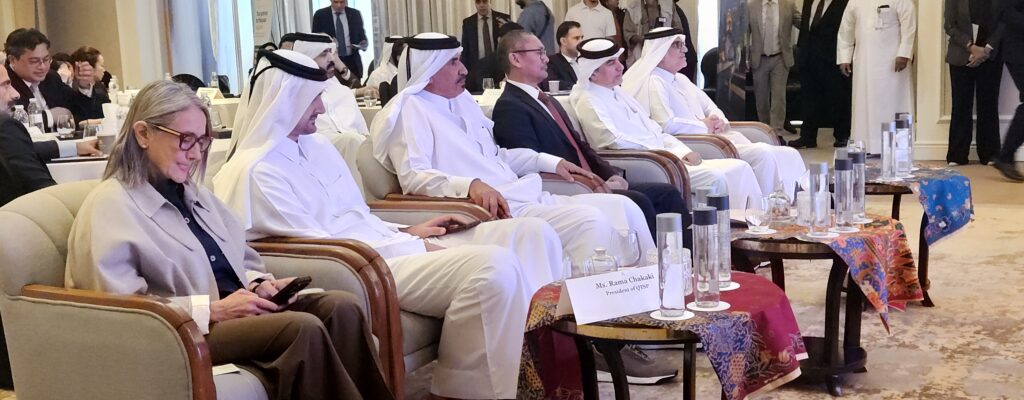
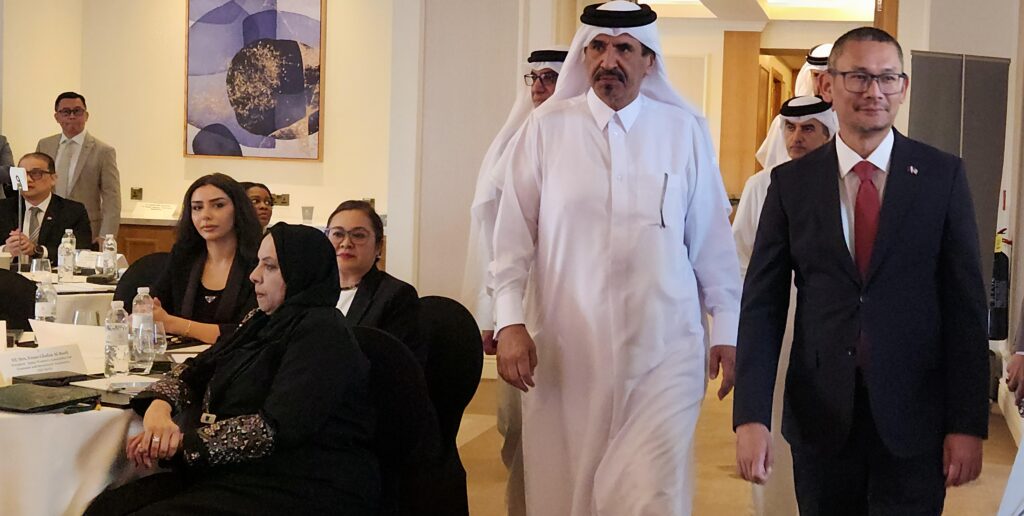
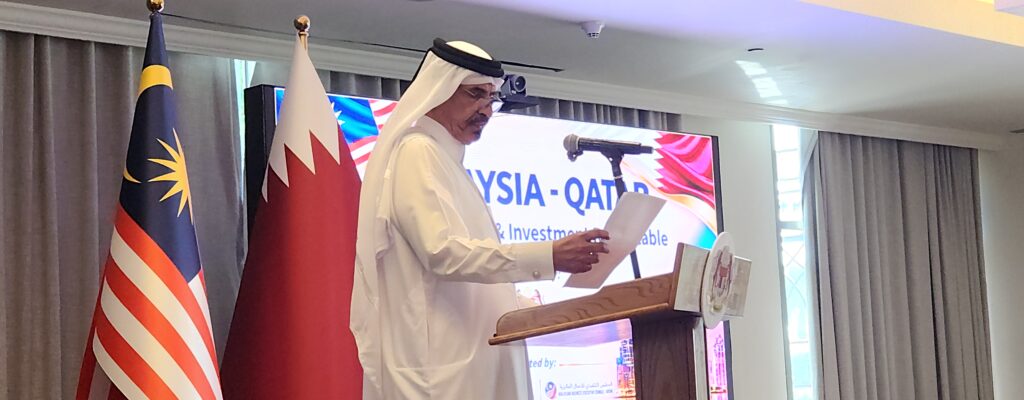
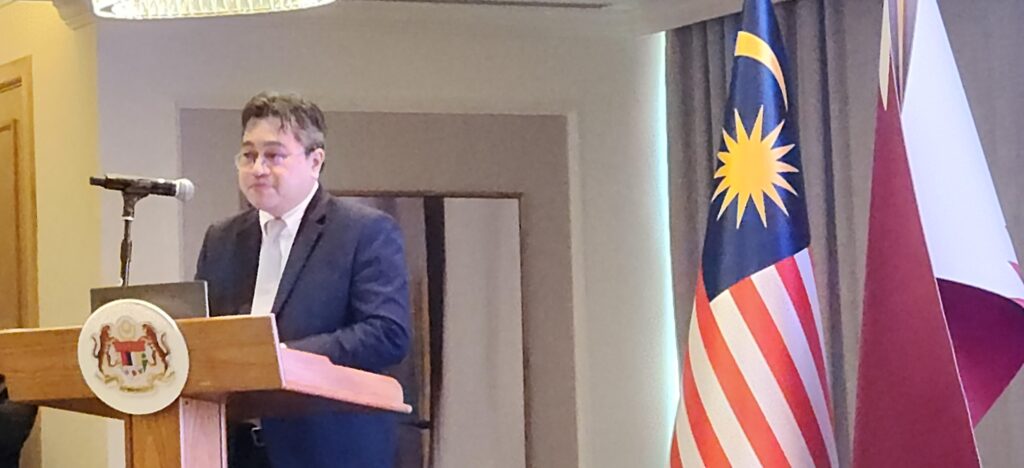
Among those attending were Mohammad Faizal Razali, Ambassador of Malaysia to Qatar; Mohamed bin Ahmed bin Tawar Al Kuwari, First Vice-Chairman of Qatar Chamber; Badrul Hisham Hilal, Trade Commissioner of Malaysia; Rizal Kahar, Chairman of the Malaysian Business Executive Council Qatar; and prominent Qatari business leaders Abdulsalam Abu Issa, CEO of Salam International; Ibrahim Al Muftah, Managing Partner of Al Muftah Group; and Abdulrazaq Lari, Chairman of Lari Group, among other business leaders.
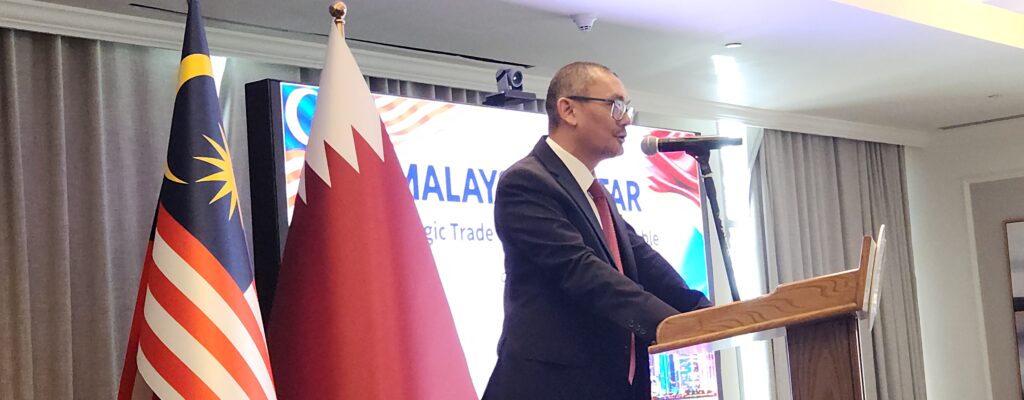
Addressing the gathering, Ambassador Razali highlighted the considerable economic potential of both countries, describing Malaysia as a strategic gateway for Qatari investors seeking access to the wider ASEAN market, while Qatar offers Malaysian businesses opportunities across the Gulf region.
He said Malaysia's trade had grown by 24.7 percent to approximately $500 billion, supported by strong exports, industrial activity and policies promoting higher-value industries. The country's National Energy Transition Roadmap and New Industrial Master Plan reflect its ambition to strengthen industrial capabilities and attract investment.
With a population of around 34 million and access to more than 650 million consumers across ASEAN, Malaysia offers modern infrastructure, a skilled multilingual workforce and competitive operating costs.
The ambassador also highlighted Qatar's economic diversification under Qatar National Vision 2030, pointing to opportunities in technology, infrastructure, manufacturing, digital solutions and financial services. He encouraged Malaysian companies specialising in Islamic finance, halal industries, smart infrastructure and digital technologies to explore partnerships with Qatari businesses.
First Vice Chairman Qatar Chamber of Commerce, Mohamed bin Ahmed bin Tawar Al Kuwari reaffirmed the longstanding relationship between Qatar and Malaysia, describing their ties, built on mutual respect and shared aspirations, as a strong foundation for greater economic cooperation.
He said bilateral trade had reached approximately QR2.3 billion in the previous year, expressing hope that it could double in the coming years through stronger private-sector engagement.
Al Kuwari identified energy, infrastructure, construction, manufacturing, food security, information technology, tourism and logistics as promising sectors for Malaysian investors. He also highlighted Malaysia's advanced manufacturing capabilities and strategic Southeast Asian location as attractive prospects for Qatari investors.
He reaffirmed Qatar Chamber's commitment to facilitating direct communication, business partnerships and investment initiatives between the two countries.
A major highlight was the official launch of the Malaysian Business Executive Council Qatar, which is intended to serve as a bridge between Malaysian and Qatari business communities. According to Rizal Kahar, Chairman Malaysian Business Executive Council, the Council will facilitate business introductions, strengthen professional networks and connect companies with potential partners in both markets.
He added that Council's six board members represent sectors including healthcare, oil and gas, higher education and technology. The council is also enrolling corporate members from both countries.
The roundtable featured interactive discussions with Qatari business representatives and approximately 50 Malaysian companies participating online. Sessions covered Malaysia's investment environment, Qatar's business opportunities and prospects for stronger commercial partnerships.
Participants also exchanged views on bilateral trade and investment, with representatives of relevant development agencies sharing insights into the respective markets.
Both countries expressed confidence that stronger institutional connections and closer private-sector engagement would translate into tangible partnerships, greater investment flows and a more dynamic economic relationship.

 American Chamber of Commerce Qatar
 Bangladeshi Community
 Filipino Community
 Indian Community
 Nepali Community
 Pakistani Community
 Sri Lankan Community