Beijing, 15 May 2026
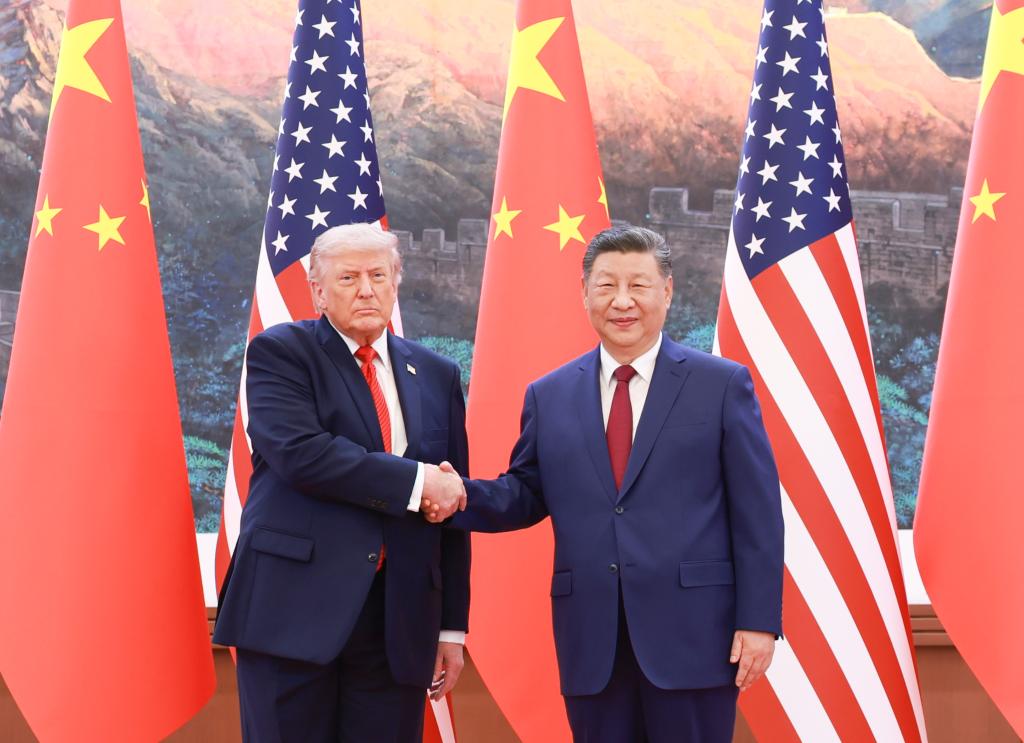
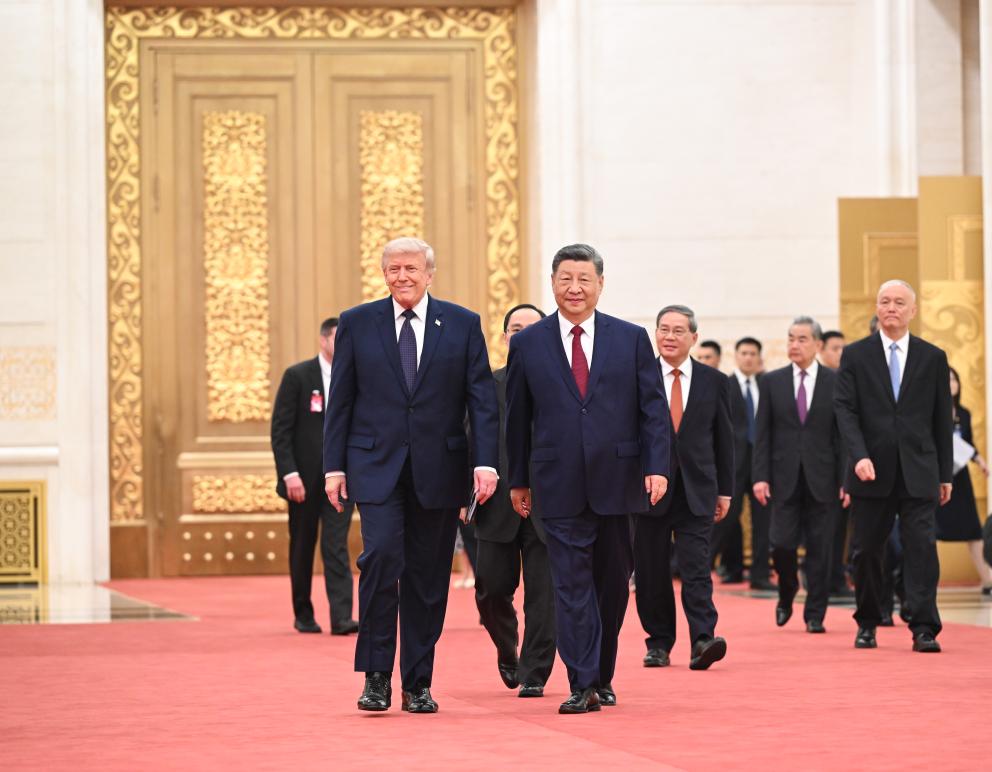
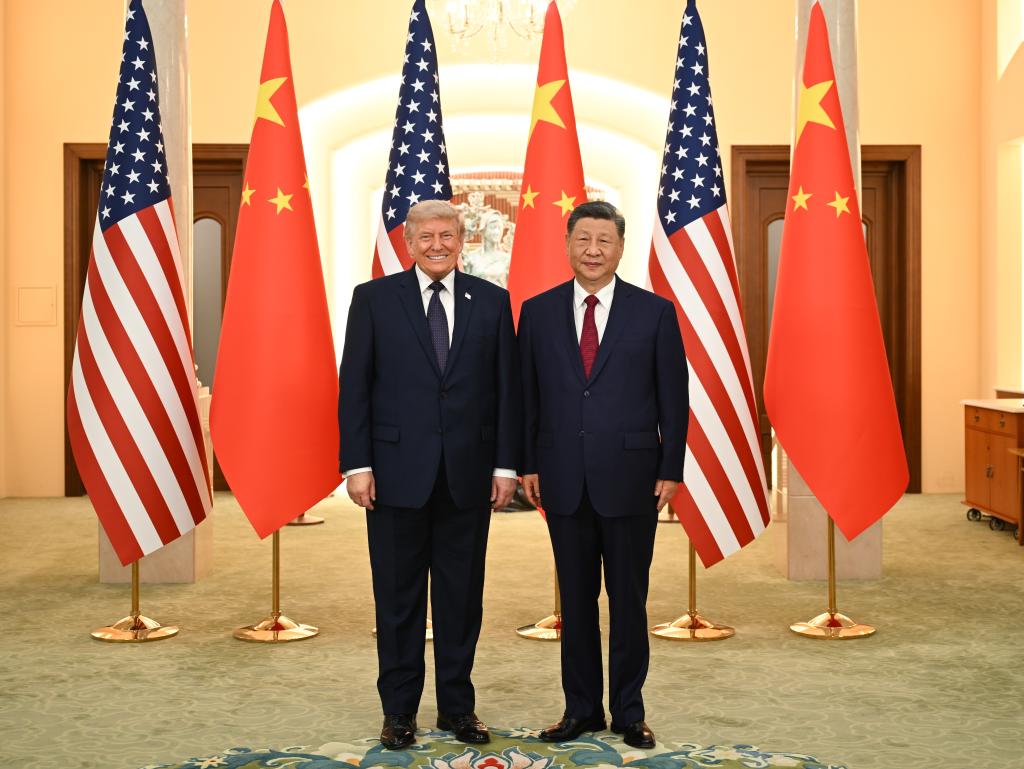
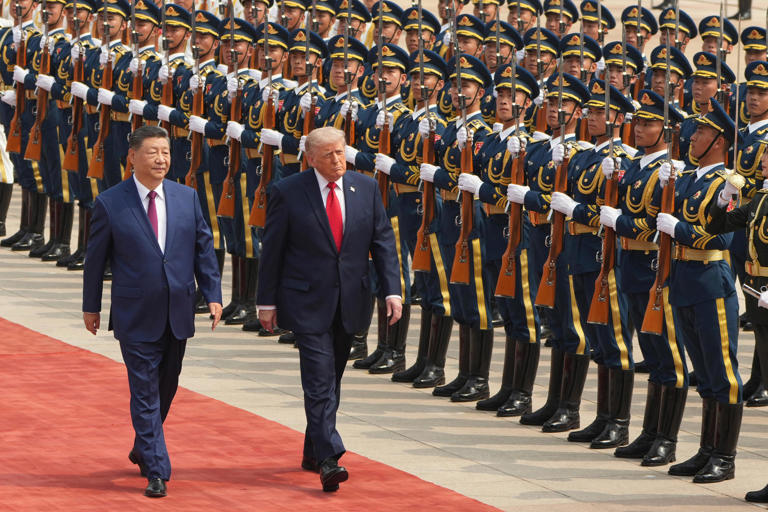
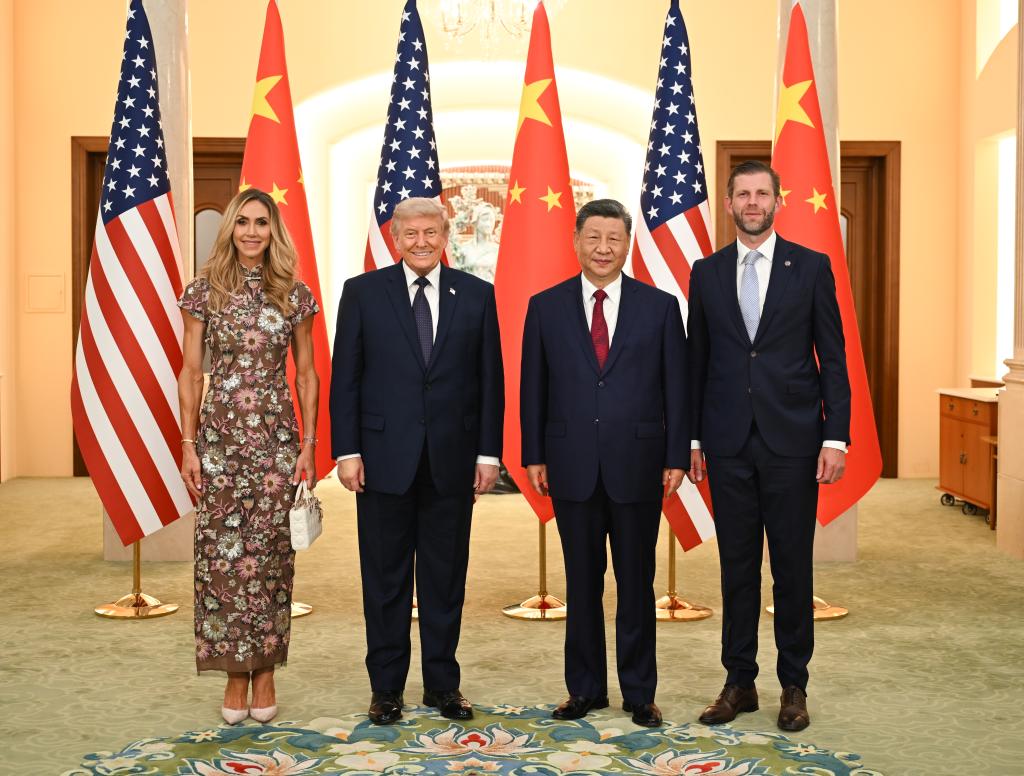
.U.S. President Donald Trump concluded his three-day state visit to China on Friday, departing from Beijing after a series of high-level meetings and ceremonial events with Chinese President Xi Jinping. Chinese Foreign Minister Wang Yi saw Trump off at the airport, marking the end of a visit widely viewed as significant for the future direction of China-U.S. relations.
During the visit, Trump and Xi held extensive discussions on bilateral ties, global security, trade cooperation, and regional stability. According to Chinese officials, both leaders agreed on a new framework aimed at building a “constructive China-U.S. relationship of strategic stability.” The vision is intended to guide relations between the two nations over the coming years and promote stable, long-term cooperation despite existing differences.
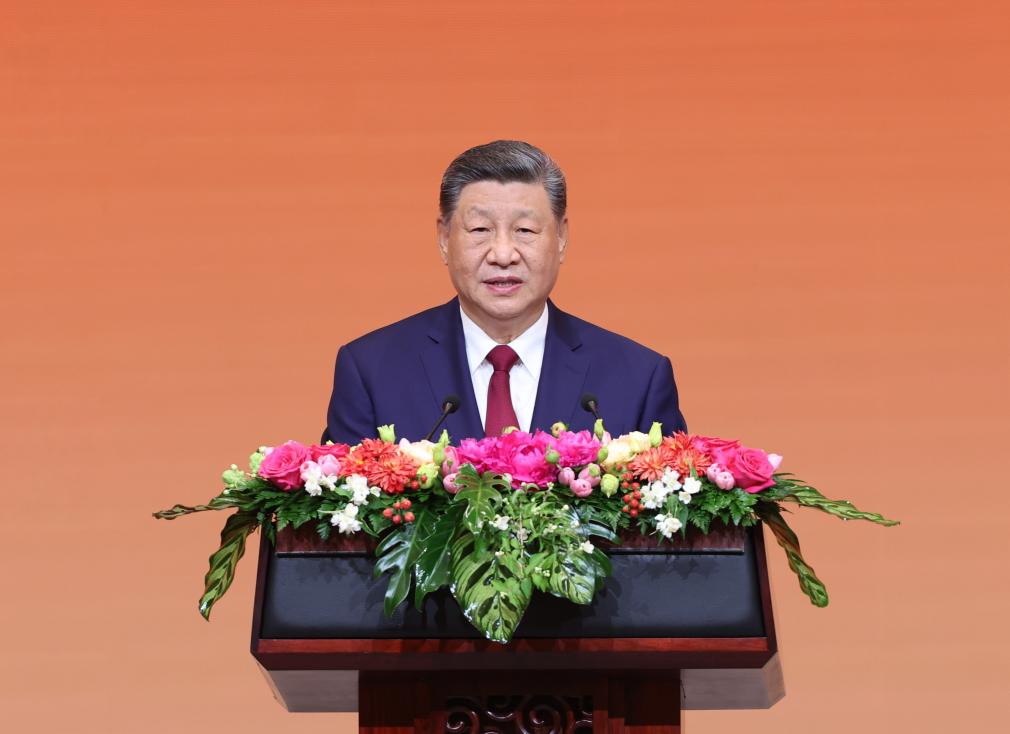
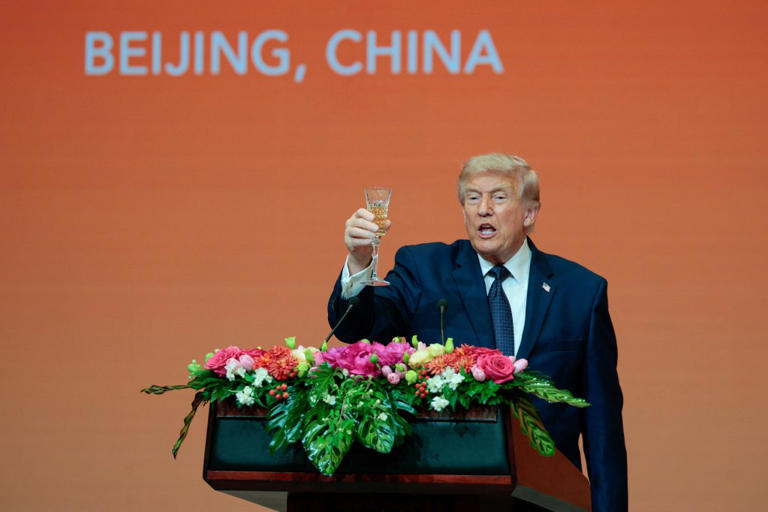
At a state banquet held at Beijing’s Great Hall of the People, Trump formally invited Xi and his wife, Peng Liyuan, to visit the White House later in the year. In his remarks, Trump emphasized the importance of strengthening ties between the American and Chinese people and described the relationship between the two countries as “very special.” The gesture reflected efforts from both sides to maintain open communication and improve diplomatic engagement.
Xi highlighted that China and the United States share responsibilities that extend beyond their own borders, given their influence on global peace, economic stability, and international development. He stressed that mutual respect, peaceful coexistence, and win-win cooperation remain essential foundations for a healthy bilateral relationship. Trump echoed similar sentiments, saying both nations should continue expanding communication and cooperation while managing differences appropriately.
The discussions also focused heavily on economic and trade relations. Xi welcomed the progress achieved during recent trade negotiations and called the outcomes “balanced and positive.” Chinese officials expressed readiness to broaden areas of cooperation while reducing points of friction. Trump, with over a dozen prominent American business leaders accompanying, encouraged U.S. companies to expand partnerships with China and praised the country’s role in global economic growth. Among the US business leaders included SpaceX and Tesla’s Elon Musk, Apple’s Tim Cook, Goldman Sachs’s David Solomon, BlackRock Chairman and CEO Larry Fink, Citi Chairman and CEO Jane Fraser, Blackstone CEO and cofounder Stephen Schwarzman, and Boeing CEO and President Kelly Ortberg.
Nvidia’s Jensen Huang was a surprise late addition to the trip, joining the plane at a stopover in Alaska. Among others included were Meta, Cargill, Visa, Cisco, Qualcomm, Coherent, Micron, GE Aerospace, Illumina and Mastercard.
Several business executives traveling with Trump reportedly viewed the meetings as a positive signal for international markets and future commercial collaboration. Chinese leaders also reiterated their commitment to further opening the country’s economy and strengthening mutually beneficial trade ties with foreign companies.
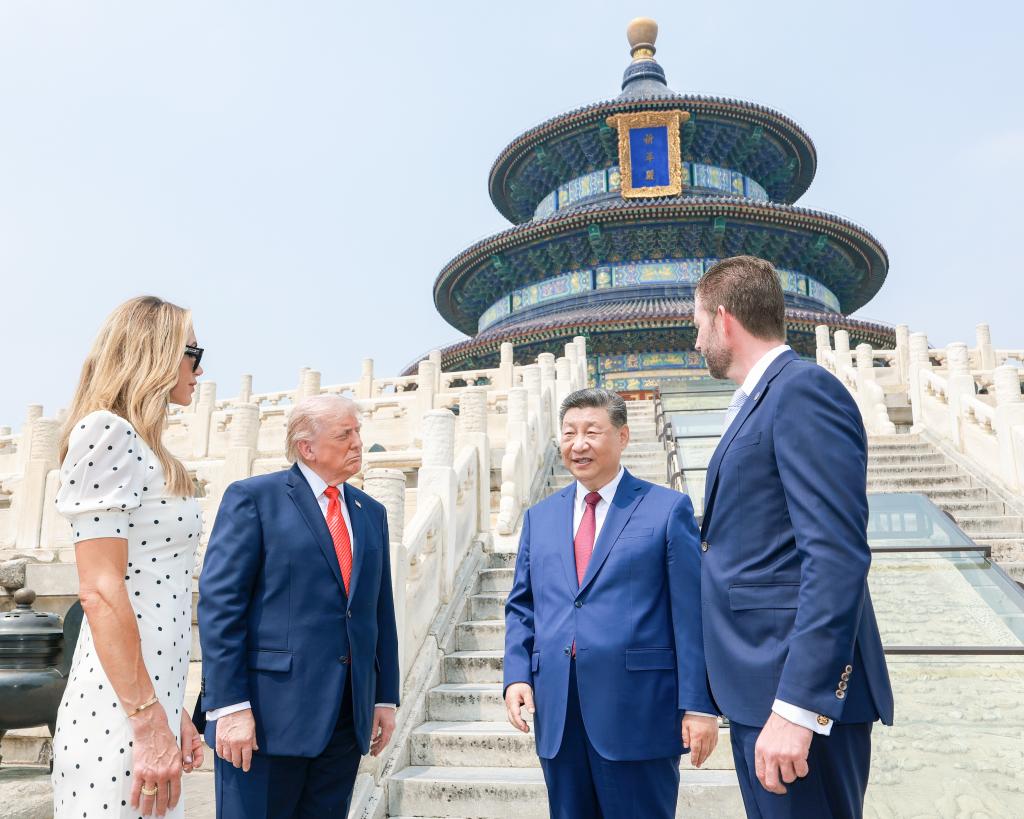
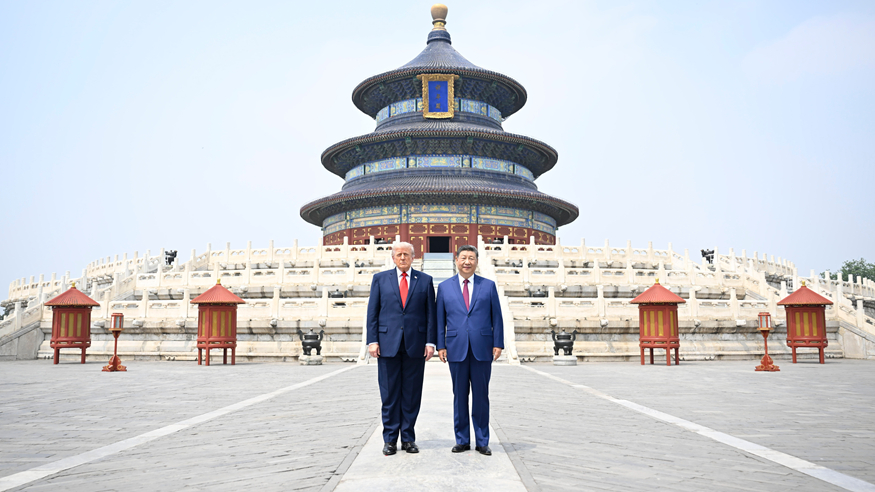
In addition to formal talks, the two presidents participated in cultural activities designed to promote mutual understanding. Xi accompanied Trump on a visit to the historic Temple of Heaven in Beijing, where he explained aspects of traditional Chinese philosophy and governance. Trump expressed admiration for China’s cultural heritage and noted that both countries, as major global powers, should deepen friendship and understanding between their peoples.
The leaders also exchanged views on several international issues, including the situations in the Middle East, Ukraine, and the Korean Peninsula. Chinese officials stated that stronger coordination between Beijing and Washington could contribute positively to global peace and development.
One of the most sensitive topics discussed during the visit was Taiwan. Xi reportedly emphasized that the Taiwan issue remains the most critical matter in China-U.S. relations, warning that mishandling it could seriously damage bilateral ties.
Overall, the visit was described by both sides as productive and symbolic of a shared desire to stabilize and improve relations between the world’s two largest economies. Analysts noted that while differences remain, the meetings demonstrated a mutual willingness to pursue dialogue, strengthen cooperation, and avoid direct confrontation.

 American Chamber of Commerce Qatar
 Bangladeshi Community
 Filipino Community
 Indian Community
 Nepali Community
 Pakistani Community
 Sri Lankan Community